All posts

The Plight of the Rohingya – His Eminence Cardinal Charles Maung Bo Addresses the Houses of Parliament, London, 25 May 2016

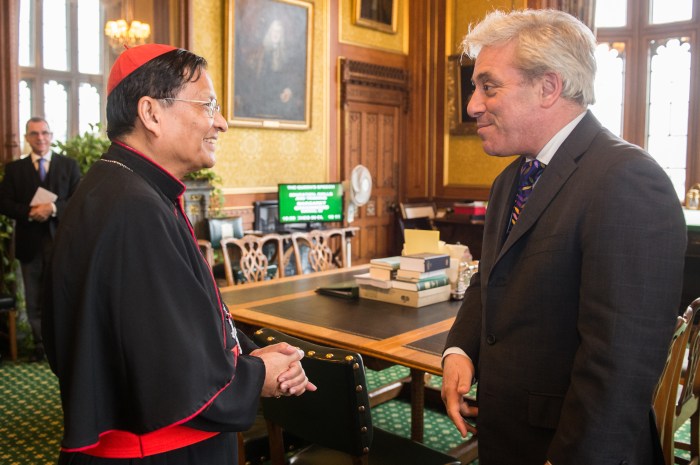
On May 25th Cardinal Charles Maung Bo of Burma, spoke before a meeting chaired by Lord Alton and hosted by the All Party Parliamentary Group on Burma, the All Party Parliamentary Group on International Freedom of Religion or Belief, and the Catholic Legislators Network. Below are sections from that speech, on freedom of religion or belief (FoRB) in Burma and the plight of Rohingya Muslims in Burma. Please contact CSW‘s office for a copy of the full speech and further recommendations. 


My country, Myanmar, now stands on the threshold of hope. We were once a Good Friday people, enduring our crucifixion as a nation on the cross of inhumanity and injustice, with five nails: dictatorship, war, displacement, poverty and oppression. Easter seemed a distant dream. My country was buried in the tomb of oppression and exploitation for six decades.

But today, we can perhaps begin to say that we are an Easter people. A new dawn has arisen. But it brings with it fresh challenges: reconciliation and peace-making, religious intolerance, land grabbing, constitutional limitations, and the fragile nature of a nascent democratic transition. And the old dangers have not gone away: the military remains powerful, corruption is widespread, and ethnic conflict continues in some parts of Myanmar.

“We were once a Good Friday people, enduring our crucifixion as a nation on the cross of inhumanity and injustice (…) But today, we can perhaps begin to say that we are an Easter people. A new dawn has arisen.”

Despite winning an enormous mandate from the people, Aung San Suu Kyi is barred by the Constitution from becoming President. The military, under the Constitution, retain control of three key ministries – Home Affairs, Border Affairs and Defence – and 25% of the seats in Parliament reserved for them. One of the two Vice-Presidents is a military appointee. So the new government is constrained, the military is still very powerful, and the country continues to face enormous challenges. Our journey has not ended; we are simply entering into a new chapter in our continuing struggle for freedom, democracy, human rights, human dignity and peace.
Continue reading “The Plight of the Rohingya – His Eminence Cardinal Charles Maung Bo Addresses the Houses of Parliament, London, 25 May 2016”

A Welcome Surprise: The First EU Special Envoy on Freedom of Religion or Belief Outside the EU

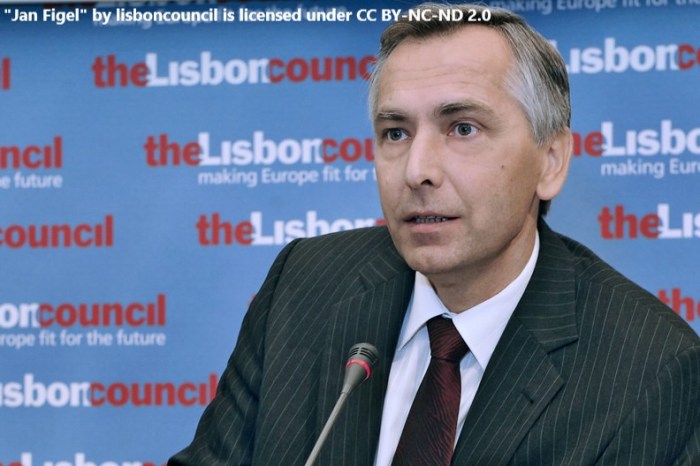
On Friday 6 May, whilst Brussels was enjoying a bank holiday, European Commission president Jean-Claude Juncker announced the appointment of ex-Commissioner Jan Figel as the first EU Special Envoy on Freedom of Religion or Belief (FoRB) outside the EU.

Why has this appointment been made?

This appointment followed a little noticed paragraph in the European Parliament (EP) resolution on the systematic mass murder of religious minorities by the so-called ‘ISIS/Daesh’, which had called in paragraph 10 for such a posting. Calls made in EP resolutions are notoriously under-implemented; even the European External Action Service (EEAS) staff seemed to be taken by surprise by the announcement, which as it concerns FoRB outside the EU, falls under their remit.

The appointment, thus, has left many in Brussels wondering what it will actually mean in practice.  During his speech to the Vatican, President Juncker said that “Freedom of religion or belief is a fundamental right which is part of the foundation of the European Union.” This is consistent with a growing importance being given to FoRB over the past couple of years; the EU Guidelines on this topic emerged in June 2013. In 2015, the European Parliament established an EP Intergroup on Freedom of Religion or Belief and Religious Tolerance and the commission appointed coordinators on anti-Semitism and anti-Islamophobia within the EU.

What is clear is that Jan Figel will act as a special advisor to Neven Mimicia, the European Commissioner for International Development. Whereas other advisors to commissioners have clearly defined mandates on the EC website, the fact that Jan Figel only has a title indicates that he will have some flexibility to shape his work.

Why is it important?

The will to mainstream freedom of religion or belief into the EU’s wider external agenda is a very welcome sign. Given the increasing number of FoRB violations taking place both inside and outside of Europe, there needs to be a push for an increased awareness of the need for FoRB and the way that it benefits communities. Pew’s most recent study on religious hostility worldwide found that 5.5 billion people worldwide live in countries with high or very high overall restrictions on religion. Several of these countries are recipients of EU development aid.

Continue reading “A Welcome Surprise: The First EU Special Envoy on Freedom of Religion or Belief Outside the EU”

In China, the Cross is Once Again a Symbol of Dissent

Saturday 4 June will mark 27 years since the Tiananmen Square Massacre, also referred to as the Tiananmen Square Protests, or simply the June Fourth Incident. On 3 June 1989, Chinese army tanks rolled into Beijing’s famous square and began to fire at unarmed protesters who had been camping out there for weeks to call for democratic reform. Students, workers and bystanders were shot down by their own “people’s army”, at the command of their country’s leaders. Estimates of the number of people killed range from hundreds to several thousand. More deaths followed as workers were tried and executed for their part in the protests.

Tiananmen as a turning point

The protesters were not calling explicitly for the right to freedom of religion or belief. Yet the massacre had a significant impact on some of the most prominent defenders of religious freedom in China today. A disproportionate number of human rights lawyers in China are Christian, and many veteran lawyers say that June Fourth had a profound effect on their personal journey towards both the Christian faith and the defence of human rights. Christian activists living outside China, and influential pastors inside, also refer to 1989 as a personal turning point. The intervening 27 years have seen rapid growth in the Protestant church; as some space opened up for religious activities, the church grew in leaps and bounds both in terms of size and visibility. Part of the reason was a rising curiosity among the urban young, not only about Christianity but about religion, belief and spirituality more broadly. Religion has also played an important and visible role in charity work and in some cases addressing social injustices.

Continue reading “In China, the Cross is Once Again a Symbol of Dissent”

Beyond Boko Haram: Child Abductions in Nigeria

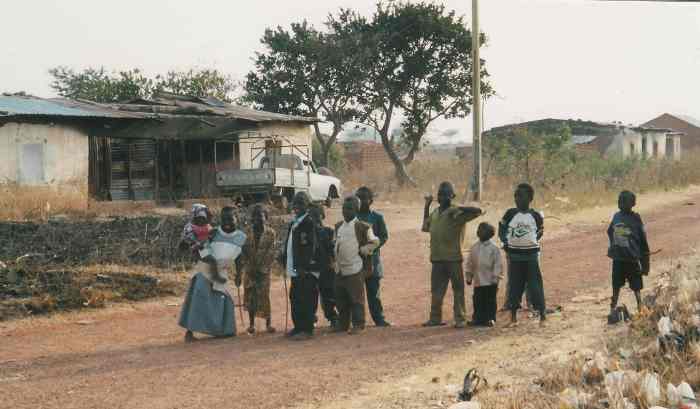
In March 2016, two female minors who had been kidnapped and subject to forced conversion and marriage in Northern Nigeria were returned to their families after unprecedented public pressure. Their plight has put the spotlight on an issue that goes largely unremarked outside of northern Nigeria.

#FreeEse: The Abduction and Return of Ese Rita Oruru

Fourteen year-old Ese Rita Oruru from Bayelsa State in the south of the country, was allegedly abducted on 12 August 2015 by a man called Yunusa Dahiru, also known as “Yellow”. A regular customer at her mother’s food store, he transported Ese, then aged 13, over 800km away to Kano State in the predominantly Muslim north of the country, where she was obliged to change her religion and name, and was “married”.

Continue reading “Beyond Boko Haram: Child Abductions in Nigeria”

Suffocating Democracy: The Suppression of NGOs in Egypt

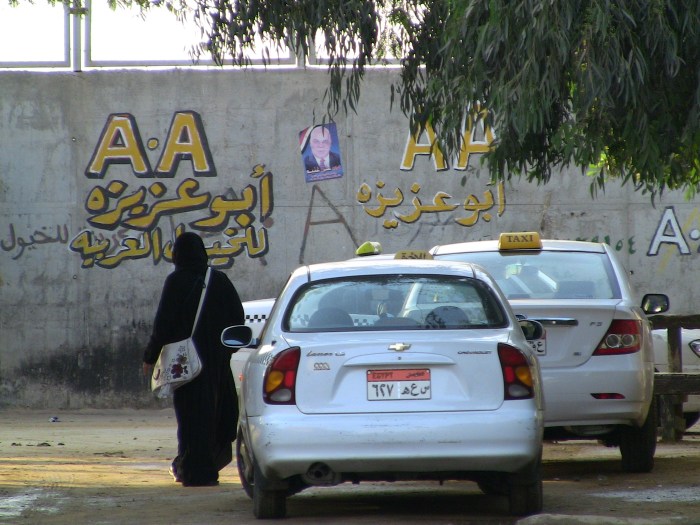
The Secretary-General of the United Nations, Ban Ki Moon, once said, “Civil society is the oxygen of democracy”. If this is the case, then Egypt’s democracy is slowly suffocating.

The human rights community in Egypt currently faces an unprecedented risk from what a number of rights activists feel is the worst assault in their history. In addition to the imposition of multiple travel bans, asset freezes and arrests of human rights defenders in the country, the Egyptian Government has also re-opened investigations from 2011 into NGOs they believe have committed the offence of receiving foreign funding.

Investigated, Bound and Gagged

The investigations into both local and foreign NGOs began after the former President Hosni Mubarak’s 30 year rule was ended by a popular uprising in 2011. The investigations were justified by officials at the time on the premise that they were going after organisations funded from abroad which they alleged were working to destabilise the country.

In addition to the re-opening of the investigations, human rights defenders working for these NGOs have been increasingly targeted. They have been summoned for questioning, regularly banned from travel and have had their passports confiscated and their personal and family assets frozen.

To make matters worse, the investigating Judge in the re-opened NGO case, Hesham Abdel Meguid, has issued a legal gagging order that prevents every media outlet in Egypt from publishing any material on the case, aside from official statements issuing from the court. This further compounds the problems Egyptian NGOs are suffering – not only are they being harassed, they are being gagged from talking about being harassed.

Continue reading “Suffocating Democracy: The Suppression of NGOs in Egypt”