Red tape and restrictions: India’s Foreign Contribution Regulation Act is preventing NGOs from doing their vital work

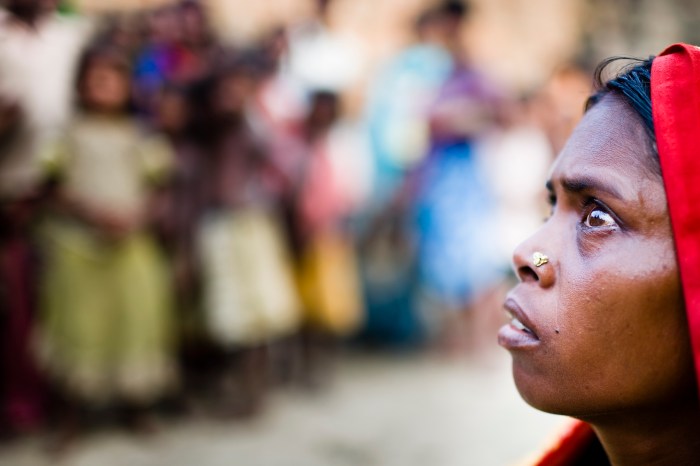
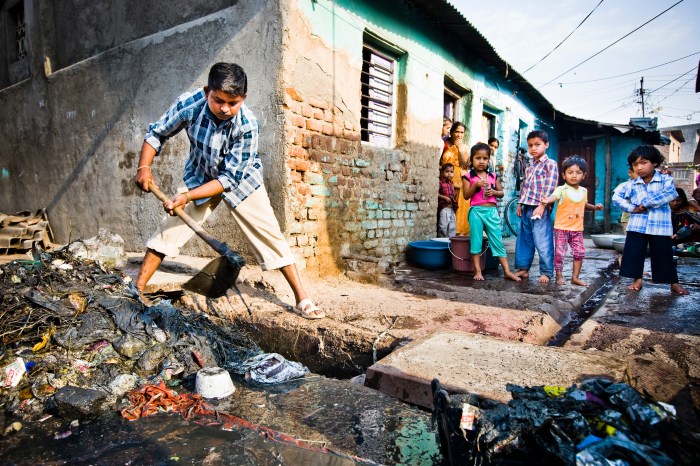
Home of Hope, Chennai, is a church-based non-governmental organisation (NGO) that helps underprivileged children and orphans with monthly sponsorship feeding programs, and helps women with microloans. Like many NGOs, Home of Hope relies on funds from generous donors across the globe to sustain their work, but the Indian government is making life increasingly difficult for this and many organisations like it.

Since amendments to the Foreign Contribution (Regulation) Act (FCRA) came into effect in September 2020, things have been different. Two boys receiving support from Home of Hope were prevented from sitting their final examinations in September as they were unable to receive the funds that helped pay their fees on time. Several other critical needs, such as healthcare for COVID-19 patients, were also left unmet due to the delay in funds. 

Of course, Home of Hope is not the only organisation affected by the new regulations. A majority of Christian charities, organisations and even educational institutions in India are funded by international donors, relying on them to survive. The FCRA amendments have made it almost impossible for them to function. 
Continue reading “Red tape and restrictions: India’s Foreign Contribution Regulation Act is preventing NGOs from doing their vital work”

India’s reservation policy is meant to help Dalits, as long as they don’t convert to Christianity or Islam

In June, we published a blog post detailing the history of Dalit conversion in India and how this can often be an act of self-liberation for members of this historically underprivileged community. This continues to this day, however there are those in the community, particularly those who convert to Christianity or Islam, who can continue to face discrimination and hardship even after conversion.

For this blog, we spoke to a Christian who works on Dalit and other human rights issues in the country, who shared some of her own experiences and shed light on the issues that persist for Dalits in India today.

“Growing up as a Christian in India, there were some decisions that you had to make early on in life. One such decision was what I would put my caste down as in my school’s admission form. I was taught that we are all God’s children and we are all equal, but why was I being asked to classify myself? I was a Christian, so I ticked the box that said OC (Other Caste) because we were taught that Christians don’t have castes and that was the only sensible option available. Also, because I was privileged to not know what caste I belong to. 

Continue reading “India’s reservation policy is meant to help Dalits, as long as they don’t convert to Christianity or Islam”

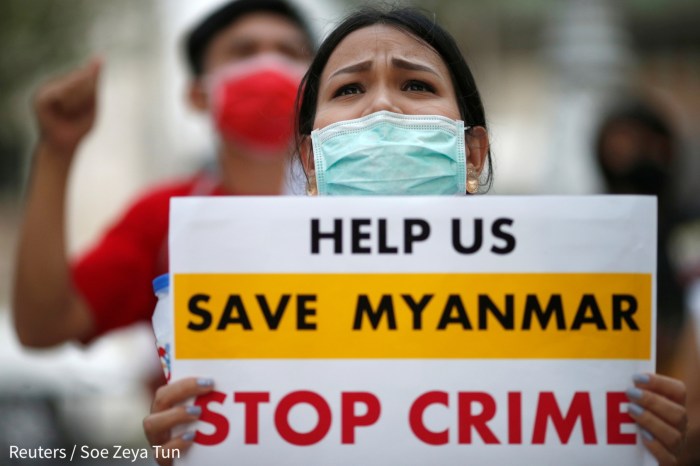
Six months after the coup, what are we going to do about Myanmar’s new nightmare?

By Benedict Rogers

Exactly six months ago yesterday, Myanmar, otherwise known as Burma, was plunged into yet another dark chapter in its history – perhaps one of the darkest yet.

On 1 February the army’s Commander-in-Chief, General Min Aung Hlaing, seized power in a bloody coup that overthrew the democratically elected civilian government, led to the arrest of most pro-democracy leaders, and ushered in a new era of brutal repression which many of us hoped had been consigned to Myanmar’s history.

Relentless repression

In the past six months, according to the Assistance Association for Political Prisoners, the junta has killed 940 civilians, arrested 6,994 and currently holds 5,444 political prisoners in jail. Among them are many of my friends – including the incredible Thin Thin Aung, Myawaddy Sayadaw and others.

Continue reading “Six months after the coup, what are we going to do about Myanmar’s new nightmare?”

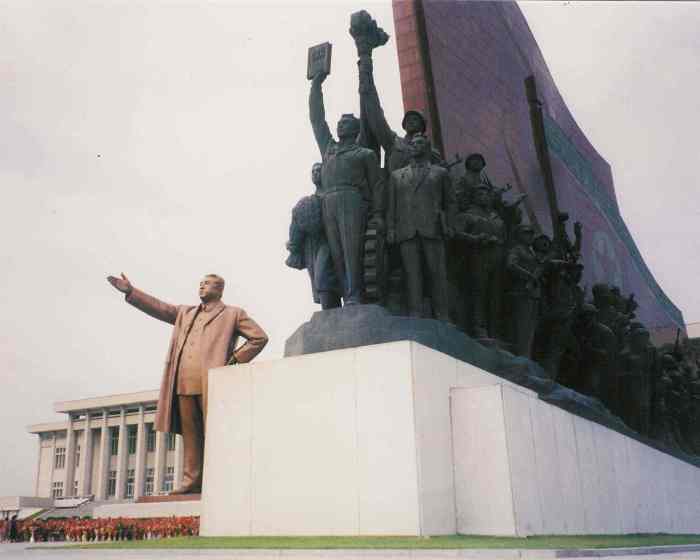
“There is no excuse”: The international community must finish the work of holding North Korea to account

Content warning: This blog contains descriptions of rape, sexual violence and violence against infants


By Benedict Rogers

Almost exactly twenty years ago, CSW began to investigate the human rights situation in North Korea, and in particular the persecution of Christians.

It is fair to say that we were one of the very first human rights organisations to sound the alarm about the gravity and scale of human rights atrocities in the world’s most closed and most repressed nation.

The tragedy is that twenty years on, little has changed and the world continues to turn a blind eye.

Dislodging the bricks

In 2007 we published one of the first and most comprehensive studies of the atrocity crimes in North Korea, in a report titled North Korea: A Case to Answer, a Call to Act. In so doing, we became one of the first organisations to call for the establishment of a United Nations Commission of Inquiry to investigate crimes against humanity.

Continue reading ““There is no excuse”: The international community must finish the work of holding North Korea to account”

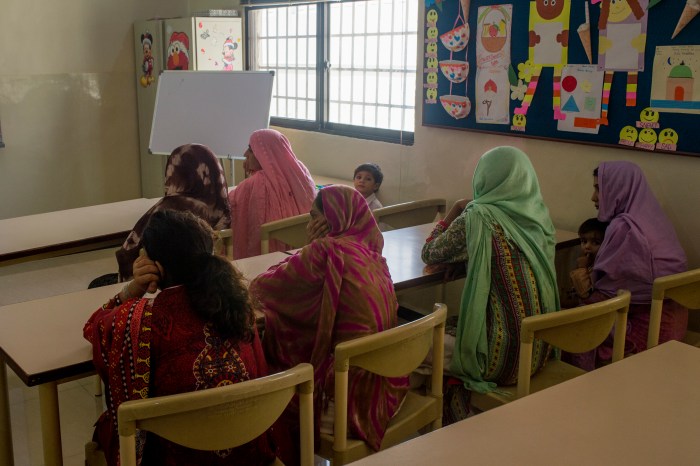
Set up to fail: Pakistan’s Single National Curriculum will only make life harder for religious minority children

In July 2020, the government of Pakistan announced the creation of a ‘Single National Curriculum’ (SNC) to replace its 2006 school curriculum. Given the country’s long history of discriminatory practices in educational settings, and the SNC’s stated objective of providing “all children… a fair and equal opportunity to receive high quality education,” one would have expected this to be a welcome development for minorities in Pakistan, a chance to tackle inequalities and division from the ground up.

Sadly, this was not the case.

In an attempt to make the proposed curriculum more digestible to Pakistan’s more conservative Islamist elements, and particularly to win the support of the country’s madrassahs (Islamic religious schools), the government of Punjab granted the Islamic Muttahida Ulema Board (MUB) a role in the review and approval of all textbooks under the SNC.

This has proved disastrous, providing the MUB with an opportunity to reinforce the sectarian and divisive agendas which have permeated the Pakistani education system for decades.

Continue reading “Set up to fail: Pakistan’s Single National Curriculum will only make life harder for religious minority children”