FoRB on the Frontlines: “If I can kill a priest then I can kill anyone”

In several Latin American countries, religious leaders often take on the roles of community leader and human rights defender. As a result, these leaders often face harassment, intimidation and even violence at the hands of state and non-state actors. Over the next few weeks CSW will be presenting interviews with religious leaders working in the region to highlight their experiences on the frontlines of freedom of religion or belief.

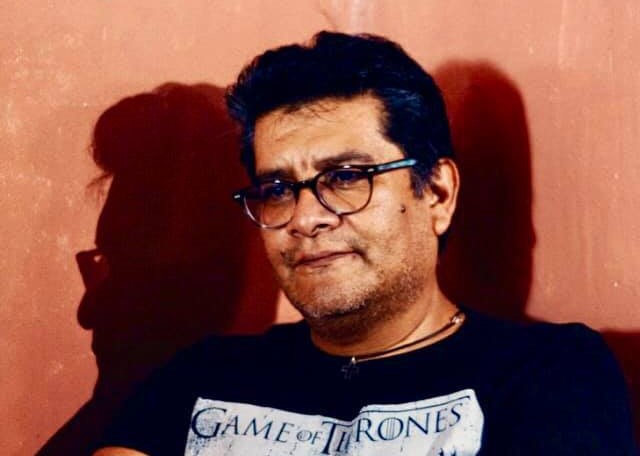
Father Omar Sotelo Aguilar works in Mexico for the Catholic Multimedia Centre (CCM) documenting attacks against Catholic priests.

“In recent years Mexico has been a dangerous place for journalists, priests and other religious leaders. I have been a Catholic priest and a journalist for about 25 years now, so I face a double risk. But even without taking this into account, we are as exposed as any other person.

I decided to approach this work from a journalist’s perspective as it is an issue that was not very visible, but was a very harsh reality. Good journalism, like good advocacy, is based on facts, figures and documentation.

Continue reading “FoRB on the Frontlines: “If I can kill a priest then I can kill anyone””

FoRB on the Frontlines: “A rival to the government”

In several Latin American countries, religious leaders often take on the roles of community leader and human rights defender. As a result, these leaders often face harassment, intimidation and even violence at the hands of state and non-state actors. Over the next few weeks CSW will be presenting interviews with religious leaders working in the region to highlight their experiences on the frontlines of freedom of religion or belief.

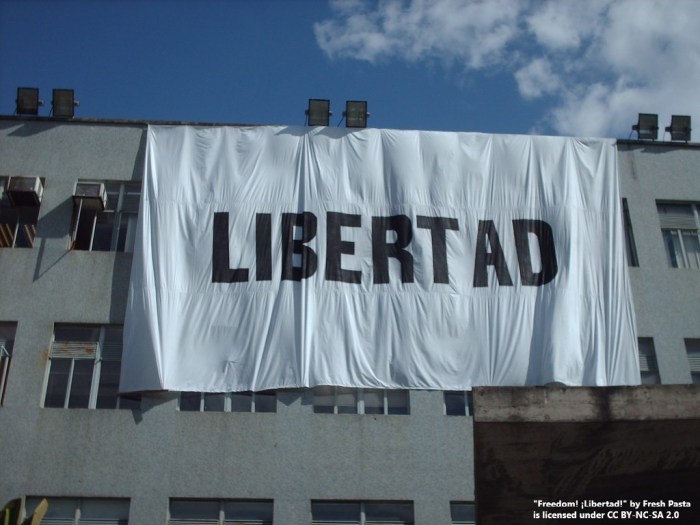
David* is a religious leader working in Venezuela. In his role, he has provided pastoral accompaniment to victims of human rights violations.

“To do social work in Venezuela – distributing food and other things, the work that I do – you have to be very discreet, you have to be very careful, and even then it’s impossible not to put yourself at risk.

In theory we have freedom of religion in Venezuela, but some priests and religious leaders are a target for the government, which is a kind of confederation of forces that aims to stay in power by trying to maintain social control over the people.

Continue reading “FoRB on the Frontlines: “A rival to the government””

FoRB on the Frontlines: “We left the city and did not return”

In several Latin American countries, religious leaders often take on the roles of community leader and human rights defender. As a result, these leaders often face harassment, intimidation and even violence at the hands of state and non-state actors. Over the next few weeks CSW will be presenting interviews with religious leaders working in the region to highlight their experiences on the frontlines of freedom of religion or belief.

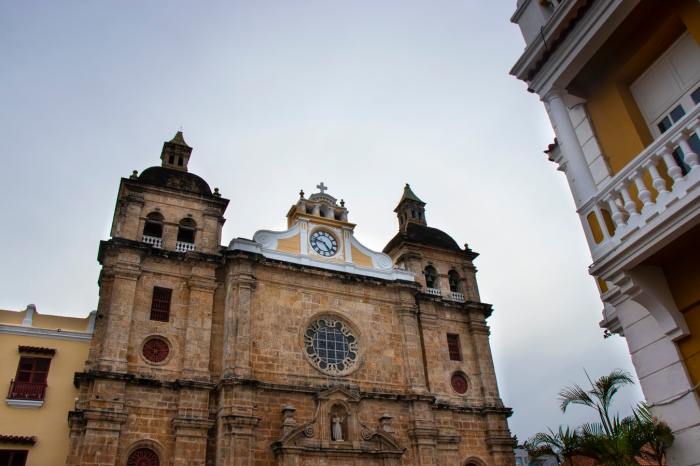
Otto is a Protestant pastor working in Tuluá, Colombia.

“If you say anything you will end up like those two…

It was a Sunday morning, everything was normal, but it was a day in which our lives would change.

Continue reading “FoRB on the Frontlines: “We left the city and did not return””

FoRB on the Frontlines: Ricardo Fernández Izaguirre

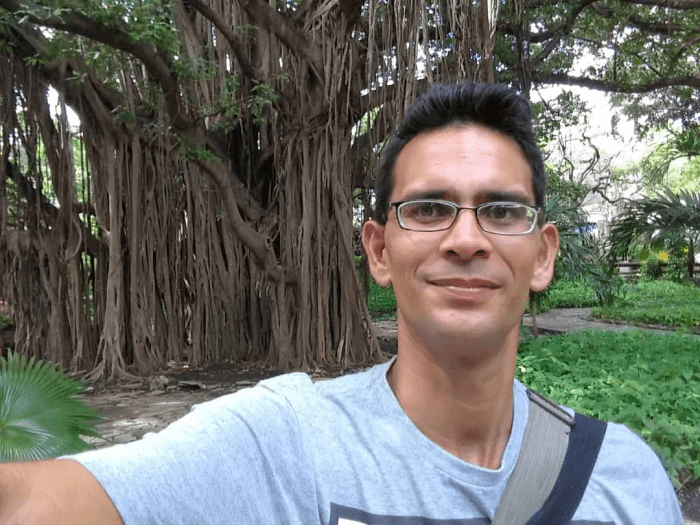
Ricardo Fernández Izaguirre is a Cuban religious freedom defender who was arbitrarily detained on Friday 12 July by state security agents after leaving the headquarters of the Ladies in White in Havana where he had been documenting violations of freedom of religion or belief (FoRB). He spent a week in detention, the first four days of which he was completely incommunicado and unable to make or receive contact from family or friends.

On 19 July Ricardo was released. In this interview he details his experience, and explains why he will continue to stand up for FoRB in Cuba despite his recent imprisonment.

Haz clic aquí para leer este blog en español

“The work of defenders of freedom of religion or belief (FoRB) in Cuba is a long road which includes disappointments (when victims refuse to report their experiences) and government repression, as political police persecute, attack, harass, and imprison those who try to uphold human rights. But the sincere gratitude of those who see their cases resolved, and the profound conviction that God supports every step we take, bringing hope, like sheep surrounded by wolves (Matthew 10:16) is what can be found at the end of this road.

Continue reading “FoRB on the Frontlines: Ricardo Fernández Izaguirre”

The cost of backtracking: delays in Colombia’s peace process risk a return to violence

In November 2016 a revised peace agreement was signed between the government of Colombia and the Revolutionary Armed Forces of Colombia–Army of the People (FARC-EP). The deal was considered a big win by many, bringing an end to a conflict which spanned over five decades and claimed hundreds of thousands of lives.

This celebration has been considered both “justified and premature.” In the following years parts of Colombia have enjoyed a somewhat fragile peace, but recent developments have raised concerns that this peace could shatter altogether.

Government foot-dragging

Particularly concerning is the current government’s approach to the 2016 agreement. Since his election in June 2018, the President Iván Duque Márquez-led administration has consistently slowed down the process of implementation.

Continue reading “The cost of backtracking: delays in Colombia’s peace process risk a return to violence”