“No one is immune from the roundups”: Life for Uyghurs in China’s Xinjiang region

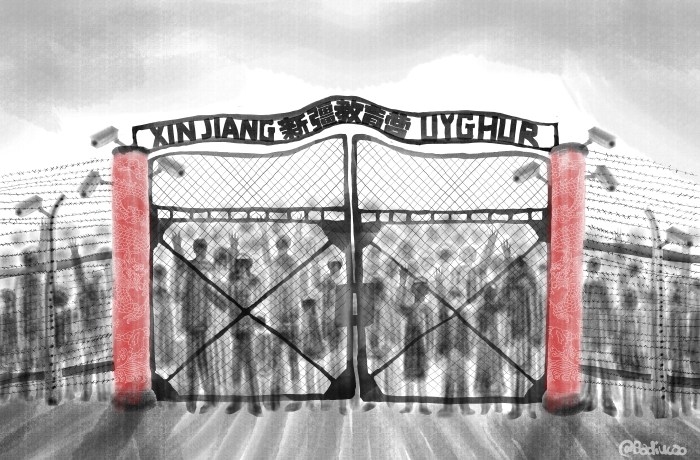
China’s Xinjiang Uyghur Autonomous Region is currently witnessing an unprecedented human rights crisis in which between one and three million predominantly Muslim Uyghurs, Kazakhs and members of other ethnic minorities have been detained without charge or trial in so-called ‘re-education camps.’ The following blog post is written by an expert on Uyghur culture and sheds light on what life is like for those inside the region.

“Imagine a world where your every movement is watched. Where who you meet, who you visit, and even what you talk about is monitored. Where you can be hauled off a bus mid-journey or dragged out of your car at a checkpoint, where your belongings, your identity, your face, your fingerprints and your irises are scanned several times a day, and where the contents of your phone could send you to prison for the rest of your life.

This is the new reality for more than 10 million Uyghurs (pronounced Weega) in China’s north-west Xinjiang province, since the former governor of Tibet, Chen Quanguo was summoned to take over the helm of, in the eyes of Xi Jinping and the Chinese Communist Party, China’s second most problematic province in 2017.

Continue reading ““No one is immune from the roundups”: Life for Uyghurs in China’s Xinjiang region”

Un Tema lingüístico: ¿Qué es la persecución?

Los crímenes de lesa humanidad son uno de los cuatro crímenes atroces definidos en el derecho internacional.[1] La primera acusación por crímenes contra la humanidad ocurrió después de la Segunda Guerra Mundial. Se basaba en la creencia de que ciertos crímenes son una afrenta a la conciencia de la humanidad. La comunidad internacional trató de garantizar que no hubiera impunidad por los crímenes que violen la esencia de la dignidad humana.

Uno de ellos es el crimen de la persecución.

Persecución: un crimen de lesa humanidad

La jurisprudencia sobre crímenes de lesa humanidad fue desarrollada por dos tribunales creados ad hoc por el Consejo de Seguridad de las Naciones Unidas: el Tribunal Penal Internacional para la ex Yugoslavia (TPIY) y el Tribunal Internacional para Ruanda (TPIR).

LEE MÁS

Language Matters: What is Persecution?

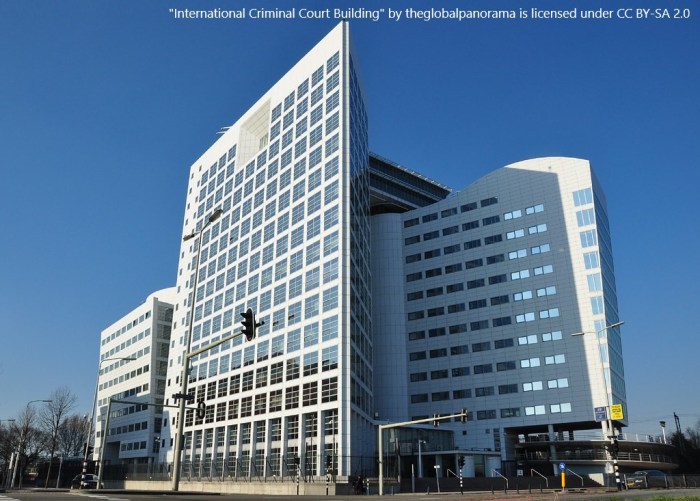
Crimes against humanity are one of four atrocity crimes defined in international law.1 The first prosecution for crimes against humanity happened after the Second World War. It was underpinned by the belief that certain crimes are an affront to the very conscience of mankind.  The international community sought to ensure there would be no impunity for crimes that violate the essence of human dignity.

One of them is the crime of persecution.

Persecution – a crime against humanity.

Jurisprudence on crimes against humanity was developed by two ad hoc tribunals created by the United Nations Security Council: the International Criminal Tribunal for the former Yugoslavia (ICTY) and the International Tribunal for Rwanda (ICTR).

Continue reading “Language Matters: What is Persecution?”

Burma’s identity crisis

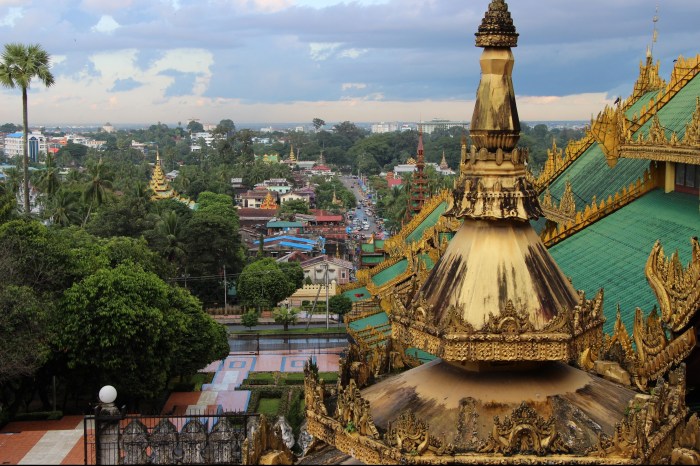
The forced closure last week of three temporary Muslim prayer sites in Yangon is just the latest in a litany of abuses inflicted on Burma’s religious minorities by ultra-nationalist Buddhists. Add this to the decades-long persecution by the Burma Army of non-Burman ethnic minorities, many of whom are also non-Buddhists, and you get a nationwide cocktail of religious intolerance and conflict.

Muslims, Christians, and indeed Buddhists, who oppose the extremists are increasingly living in fear, in a country where ethno-religious nationalism has led to hate speech, intolerance, discrimination, persecution, crimes against humanity and, in one particularly egregious case, genocide.

That is the picture presented by CSW’s new report, Burma’s Identity Crisis: How ethno-religious nationalism has led to religious intolerance, crimes against humanity and genocide, published today. The report is the result of over three years’ work, involving first-hand front-line research, supplemented by information provided by CSW’s contacts in Burma and by other organisations working on these issues. It tells the human stories, it analyses the legislative framework, it assesses the international community’s response and it provides a call for action.

Continue reading “Burma’s identity crisis”

Long read: Eritreans wonder why their president is “making peace with everyone but the Eritrean people”

On the morning of 17 September, Eritrean security operatives arrested former Minister of Finance Berhane Abrehe in Asmara.  According to local reports, 73 year old Mr Abrehe was out having breakfast with his son when he was approached by security agents and instructed to accompany them.

The arrest followed the publication and launch of a two-volume book authored by Mr Abrehe entitled ‘Eritra Hageray’ (Eritrea My Country) in Washington DC. The book is described on the cover as presenting an Eritrean plan on how to end dictatorship and prevent it from happening again. The book received endorsements from several former Eritrean officials in exile, and were accompanied by an audio clip in which Mr Abrehe called, among other things, for the convening of the National Assembly and challenged President Afwerki to a public debate.

Mr Abrehe is currently in an unknown location.  He has been unwell for some time, and there are legitimate concerns for his wellbeing.  Mr Abrehe’s wife, Almaz Habtemariam, has been detained since early 2018, in reprisal for one of their four children fleeing the country.  Both he and his wife are veterans of the liberation struggle.

Continue reading “Long read: Eritreans wonder why their president is “making peace with everyone but the Eritrean people””