De la fe al exilio en Guerrero, México

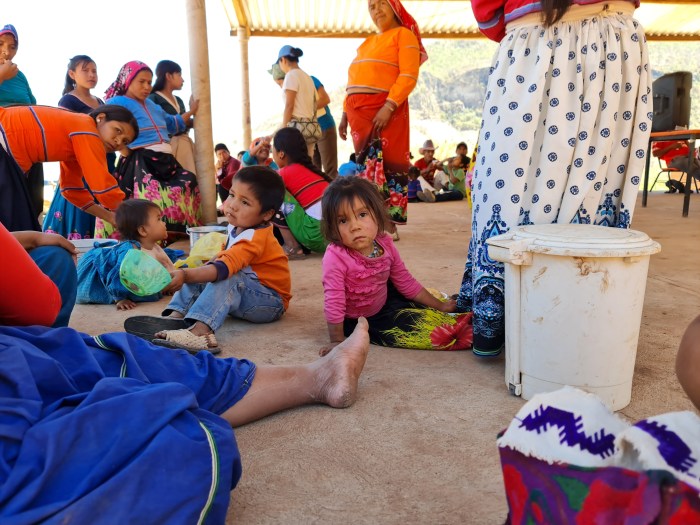
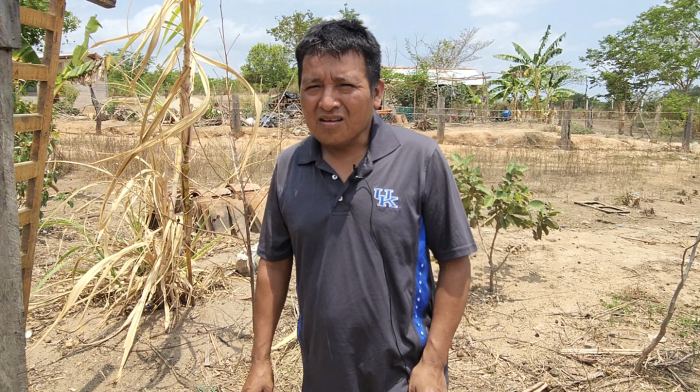
Damián y su familia viven en las afueras del centro de Ayutla de los Libres en el Sureste de México. En mayo de 2022, ellos y otras dos familias tuvieron que adquirir un terreno en esta zona después de haber sido expulsados de su comunidad por pertenecer a una minoría religiosa.

El 25 de marzo de 2021, Damián, entonces de 38 años, fue citado ante la asamblea comunitaria de Ahucachahue en el municipio de Ayutla de los Libres, ubicado en la región de la Costa Chica de Guerrero. La gente de Ahucachahue pertenece a la comunidad mixteca y la mayoría practica el catolicismo romano. En la reunión, los líderes comunitarios le informaron que había sido designado para encabezar las fiestas en honor a San Isidro Labrador, su santo patrón. Damián sería responsable de la contratación de grupos musicales y proveedores de alcohol y alimentos, además de las tareas administrativas que acompañan los rituales propios del santo católico romano.

Sin embargo, Damián se había convertido al cristianismo protestante-evangélico cuatro años antes, en 2017, como muchos otros, por lo que Rechazó el puesto.
Continue reading “De la fe al exilio en Guerrero, México”
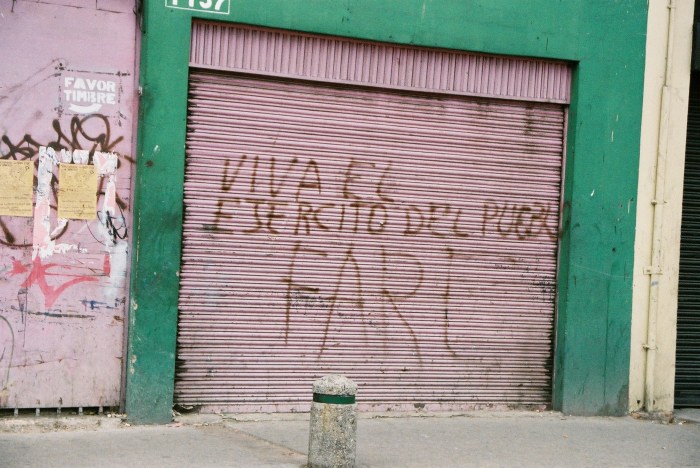
Graffiti in Colombia reads 'Viva el ejercito del pueblo FARC' i.e. 'Long live the army of the people, FARC'

Colombia must finally reckon with the religious element of its decades long internal conflict

Darkness falls quickly in Colombia due to its proximity to the equator, and it was no different on the night of Thursday 5 July 2007. As night closed in, Joel Cruz Garcia, a 27-year-old pastor, heard banging on the front door of the small home he shared with his wife Yuvy and their nine-month-old daughter in the village of El Dorado in the department of Huila. When the pastor opened the door, he was faced with a heavily armed group of individuals dressed in the uniform of the 17th Brigade of the Revolutionary Armed Forces of Colombia, better known as the FARC, who demanded that he come with them.  

The pastor was given no choice, and his wife later recounted how even as the guerrillas manhandled him and ridiculed his faith, Joel quoted a Bible verse to them, saying, ‘To live is Christ and to die is gain.’ 

‘Good,’ the guerrillas responded. ‘Then you will die.’ 

Continue reading “Colombia must finally reckon with the religious element of its decades long internal conflict”
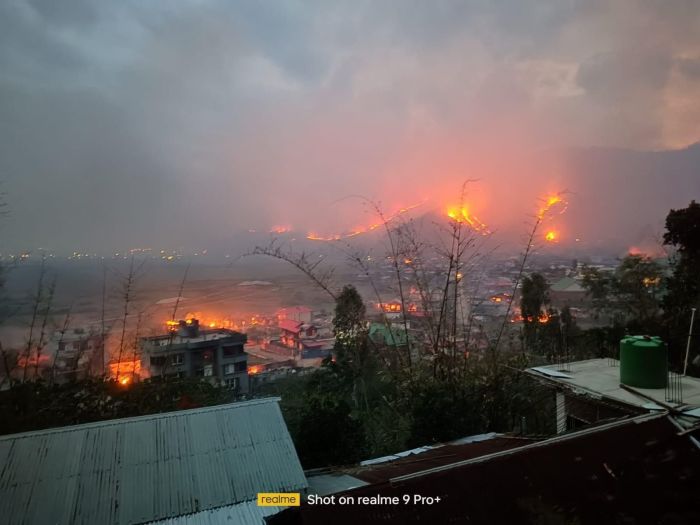
Fires in India's Manipur state.

‘We don’t know how we can restart our lives’ – stories from Manipur

‘On 3 May, around 10pm, we heard people throwing stones at our house. We didn’t understand what was happening. In the morning, we woke up and we were cooking. We saw that there was a frenzy outside. Everyone was walking out of their homes with their bags packed. They asked us why we were still at home and explained the situation. We were scared.’

Runa, Imphal

India’s Manipur State has been engulfed in violence for two and a half months now. Sparked by a protest on 3 May in which an estimated 60,000 people marched in opposition to the Manipur High Court’s request to the state government to send a recommendation to the central government to include the non-tribal Meitei community in the Scheduled Tribe (ST) category, the unrest has claimed at least 100 lives, with local sources suggesting that the death toll is significantly higher.

Thousands of homes have been burned down and tens of thousands of people have been forcibly displaced in a dispute over whether the predominantly Hindu Meitei community should be granted access to the same benefits afforded to the state’s typically more disadvantaged tribal communities.

Continue reading “‘We don’t know how we can restart our lives’ – stories from Manipur”

You are my other me: The importance of educating the Mexican women of the future 

Florinda was just 11 years old when her family was displaced from the community of San José Yashtinín, San Cristóbal de las Casas Municipality, in Mexico’s Chiapas State in 2012. She was unable to continue with her studies for around two years following her family’s displacement because the paperwork and certificates she needed to enrol in a new school were left behind. In 2019 she told CSW she hoped to finish her studies in order to teach other children. 

Another woman, Alma, was 17 years old when her education was interrupted after her family was forcibly displaced from their village of Tuxpan de Bolaños, Bolaños Municipality, Jalisco State, in December 2017. She was subsequently unable to enrol in a new school, derailing her plans to become a nurse. 

Three years ago, to mark Children’s Day in the country, Alma travelled to Mexico City to meet with government officials. She also met with the National Council to Prevent Discrimination (CONAPRED) who expressed regret for what had happened: “We owe you an apology, this country owes you an apology…We have certainly failed in the process but we are here to protect you, so that your trajectory in life is what you want it to be.” 

This year, as Mexico observes Children’s Day, we call for more than an apology; we call for action.  

Continue reading “You are my other me: The importance of educating the Mexican women of the future “

Living in exile: “As long as the same government is in power I do not dare to return”

Samuel1 is a Nicaraguan teacher and lawyer who was forced to flee his country in April 2019 after being repeatedly arrested in retaliation for his reporting on human rights violations committed by government forces.

For the latest instalment in our Living in exile series, CSW spoke with Samuel to hear his story.

Could you tell us a bit about yourself?

“I am a Nicaraguan citizen from the Department of Chontales. I am a teacher and a lawyer. I am currently in exile in Panama as a “Refugee in Process”, and have been since 16 April 2019 through Executive Order No. 5 for the Protection of Refugee Applicants from the Government of Panama, through the National Office for the Attention of Refugees (ONPAR).

Continue reading “Living in exile: “As long as the same government is in power I do not dare to return””