Iran: How the Judicial System is used to Target Religious and Ethnic Minorities

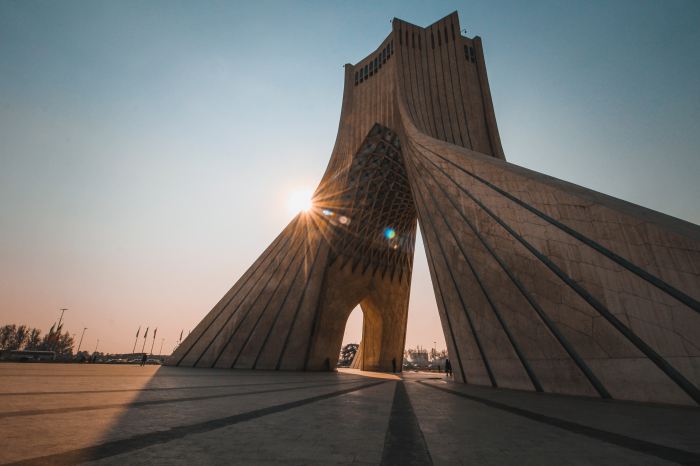
Five Iranian Christians were arrested by Iranian Intelligence (VEVAK) Officers on 26 August while picnicking with their wives in a private garden in Firouzkooh, an area 90 miles east of Tehran. They were not holding a religious service. They were simply enjoying a picnic. Now they are detained in Evin Prison in Tehran.

Since President Rouhani came to office in August 2013 there has been an increase in the number of religious minorities imprisoned on account of their faith. The rise in harassment, arrests and restrictions on freedom of religion or belief (FoRB) are a major concern for non-Muslims, converts to Christianity, members of the Baha’i faith and minority Muslim groups.

Continue reading “Iran: How the Judicial System is used to Target Religious and Ethnic Minorities”

Suffocating Democracy: The Suppression of NGOs in Egypt

The Secretary-General of the United Nations, Ban Ki Moon, once said, “Civil society is the oxygen of democracy”. If this is the case, then Egypt’s democracy is slowly suffocating.

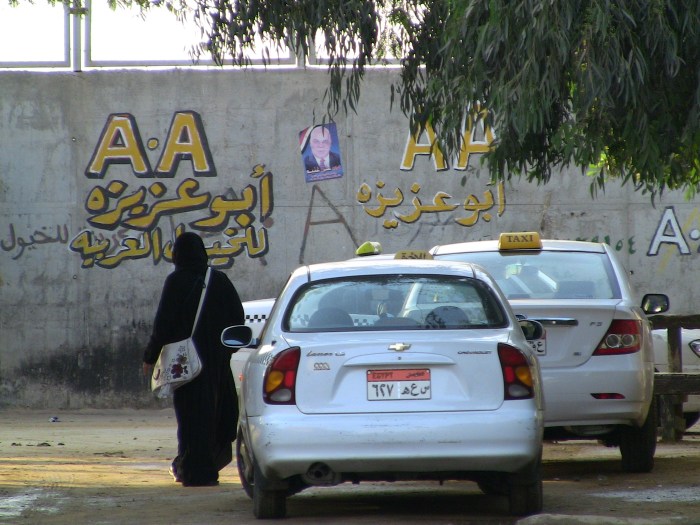
The human rights community in Egypt currently faces an unprecedented risk from what a number of rights activists feel is the worst assault in their history. In addition to the imposition of multiple travel bans, asset freezes and arrests of human rights defenders in the country, the Egyptian Government has also re-opened investigations from 2011 into NGOs they believe have committed the offence of receiving foreign funding.

Investigated, Bound and Gagged

The investigations into both local and foreign NGOs began after the former President Hosni Mubarak’s 30 year rule was ended by a popular uprising in 2011. The investigations were justified by officials at the time on the premise that they were going after organisations funded from abroad which they alleged were working to destabilise the country.

In addition to the re-opening of the investigations, human rights defenders working for these NGOs have been increasingly targeted. They have been summoned for questioning, regularly banned from travel and have had their passports confiscated and their personal and family assets frozen.

To make matters worse, the investigating Judge in the re-opened NGO case, Hesham Abdel Meguid, has issued a legal gagging order that prevents every media outlet in Egypt from publishing any material on the case, aside from official statements issuing from the court. This further compounds the problems Egyptian NGOs are suffering – not only are they being harassed, they are being gagged from talking about being harassed.

Continue reading “Suffocating Democracy: The Suppression of NGOs in Egypt”

The Courage of Cuba’s Ladies in White

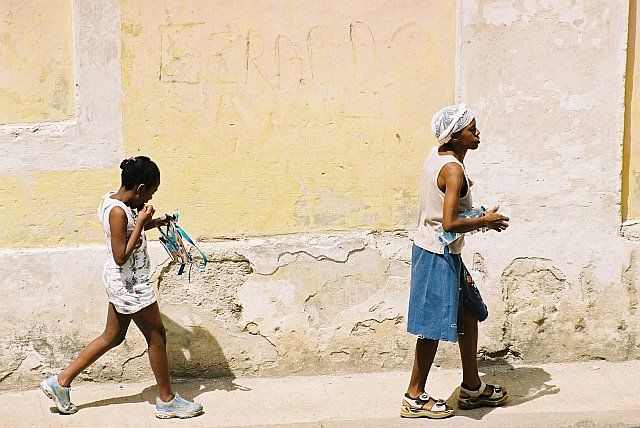
Every Sunday Cuba’s Ladies in White (Damas de Blanco, in Spanish) have been forcibly and often violently prevented from attending Sunday morning services. Every Sunday since the group was formed in 2003, the women attend (or at least attempt to attend) Sunday Mass dressed in white to symbolise peace and walk through the streets in silent protest afterwards.

The Ladies in White movement was formed in response to the Black Spring in 2003 – a mass crackdown by the Cuban government on dissidents and journalists. Since 2010, all of the Black Spring prisoners have now been released. However, political prisoners remain in Cuba and the Ladies in White, a movement largely comprised of wives and other female relatives of former and current political prisoners remain active.

As the world marks International Women’s Day on 8 March, CSW commends their courage and peaceful protest, which saw them awarded the European Parliament’s Sakharov Prize for Freedom of Thought in 2005.

Continue reading “The Courage of Cuba’s Ladies in White”

Religious Leaders as Human Rights Defenders?

In the early hours of 1 July 2015, Pastor Hafiz Mengisto, senior minister of the Khartoum Bahri Evangelical Church in Sudan, was arrested after trying to prevent police officers from demolishing a building on church property, which they did not have authorisation to do. While in police custody, he sustained injuries to his head and ear that required medical attention upon his release. Pastor Mengisto was only acquitted of ‘obstructing a public servant from performing the duties of his office’ on 29 December 2015.

While his acquittal is welcome, his case is not an isolated incidence of harassment but is indicative of a continued and wide crackdown on human rights defenders (HRDs) – including religious leaders or members of faith communities making a stand for human rights within their community. HRDs face various challenges ranging from de jure discrimination and bureaucratic hassles to harassment, violence, torture and murder.

Is the international community waking up to reprisals against HRDs?

In his report to the UN General Assembly in 2015, the Special Rapporteur on the situation of human rights defenders, Michel Forst drew attention to the “disturbing increase in the number of reprisals and acts of intimidation reported by defenders.” Today, thousands of human rights activists across the world face severe intimidation and harassment. One of the most difficult countries for human rights defenders is China where at least half of the country’s most prominent human rights lawyers – many of them Christians – have been interrogated, detained and in some cases disappeared since 9 July 2015. At least 30 of the over 300 HRD’s interrogated during this period, as well as others connected to them, have vanished into China’s detention system.

Since the adoption of the UN Declaration on Human Rights Defenders (1998), the international community has increasingly recognised the role of HRDs in promoting human rights. The work of the UN Special Rapporteur on the situation of human rights defenders has been instrumental in this. Moreover, the adoption of UN resolutions on human rights defenders has ensured that their situation remains visible in international human rights platforms.

In November 2015, the UN General Assembly passed an important resolution calling for states to adopt strong and effective measures to protect human rights defenders. The resolution was passed with 117 countries voting for it and 14 countries – including several Human Rights Council members such as Pakistan, China, Russia, Saudi Arabia – voting against. A further 40 countries abstained from the vote. It’s clear that many countries, including several members of the Human Rights Council, still remain uncomfortable with the work of HRDs.

Continue reading “Religious Leaders as Human Rights Defenders?”