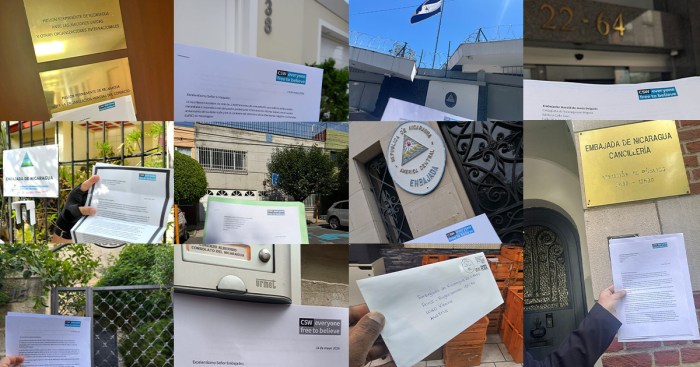
Por difícil que sea exigirle responsabilidades al gobierno nicaragüense, el mundo no ha olvidado al pastor Efren Antonio Vílchez López.

‘Cerraron la embajada hace como tres o cuatro años, pero no le dijeron a nadie.’

Creo que me reí cuando lo escuché. Estaba en la recepción de un edificio cuando acababa de descubrir que era la antigua sede de la Embajada de Nicaragua en Londres, justo después de haber viajado una hora y media hasta Kensington para entregar una carta pidiendo la liberación del pastor protestante Efren Antonio Vílchez López.

Por la forma en que la recepcionista lo explicó, tuve la impresión de que algo así ya había sucedido antes, lo cual disminuyó, pero no eliminó por completo, mi vergüenza. Una búsqueda frenética en Google reveló que, si bien, sí, había  algunas menciones del cierre en línea – especialmente si agregabas “cerrado” a tus términos de búsqueda-, la mayoría de los resultados mostraban la dirección del edificio frente al cual me encontraba ahora, visiblemente disgustado, ant el panel que aparece cuando buscas este tipo de cosas aún enlistando las horas en las que abren como 11am-4pm lunes a viernes.

Continue reading “Por difícil que sea exigirle responsabilidades al gobierno nicaragüense, el mundo no ha olvidado al pastor Efren Antonio Vílchez López.”

When regulation becomes repression: The expanding question of state power in India

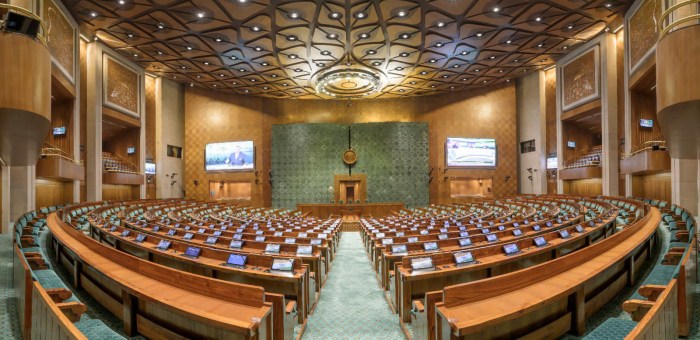
There are many laws in India that appear reasonable, fair and neutral on paper. They are framed as safeguards meant to prevent fraud, protect national interests, and ensure transparency. In principle, those are valid goals. But the real test of a law is not how it is written, but how it is implemented in practice.

In India today there is an increasingly troubling pattern of laws that claim to be neutral being used in ways that disproportionately affect certain groups, especially religious minorities.

What begins as regulation slowly becomes repression. What is presented as accountability begins to look like control.

Continue reading “When regulation becomes repression: The expanding question of state power in India”

A generation determined: How Cuba’s Christian influencers have caught the regime off-guard

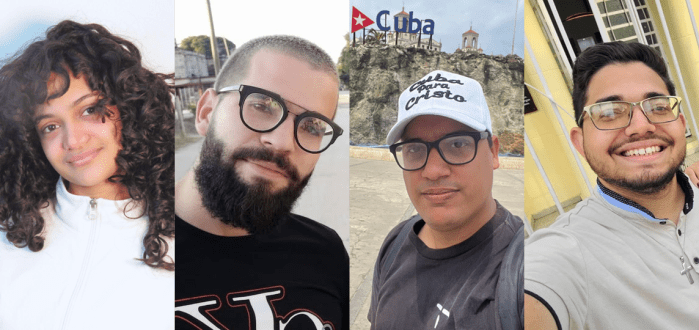
It is no secret that for 67 years the Cuban people have been oppressed under a deceptive discourse of victory and prosperity, which with each decade has only drifted further from the dream, revealing the true nightmare of the failure and misery of their so-called revolution.

While many in earlier generations accepted the illusory utopia to survive, today’s generation has awakened to the advance of technology, connectivity and the cyber world in a way that not even a dictatorship can contain. And, although failure has been tolerated and its reality evaded for almost seven decades, in just eight years young Cubans have become the protagonists of a new revolution on the island; their only weapons the truth and a mobile phone.

This snowball effect became internationally visible with the San Isidro Movement (MSI), which emerged in September 2018 in response to Decree 349, a law requiring artists to obtain prior permission for public and private exhibitions and performances, meant to control artistic expression. Many of the most prominent critics of that law – such as performance artist Luis Manuel Otero Alcántara and rapper Maykel Castillo Pérez, better known as Maykel Osorbo – unknowingly paved the way for their future arrests.

Continue reading “A generation determined: How Cuba’s Christian influencers have caught the regime off-guard”

Una generación decidida: Cómo los jóvenes influencers cristianos de Cuba han tomado por sorpresa al régimen.

No es un secreto que durante 67 años el pueblo cubano ha sido oprimido bajo un discurso de victoria y prosperidad que, con cada década, se ha alejado más del sueño, revelando la verdadera pesadilla del fracaso y la miseria de su mal llamada revolución.

Mientras que muchos en generaciones anteriores aceptaron la utopía ilusoria para sobrevivir, la generación actual ha despertado gracias al avance de la tecnología, la conectividad y el mundo digital de una manera que ni siquiera una dictadura puede contener. Y, aunque el fracaso se ha tolerado y su realidad se ha eludido durante casi siete décadas, en tan solo ocho años los jóvenes cubanos se han convertido en protagonistas de una nueva revolución en la isla, cuyas únicas armas son la verdad y un teléfono móvil.

Este efecto bola de nieve se hizo visible internacionalmente con el Movimiento San Isidro (MSI), que surgió en septiembre de 2018 en respuesta al Decreto 349, una ley que obliga a los artistas a obtener permiso previo para exposiciones y presentaciones públicas y privadas, con el fin de controlar la expresión artística. Muchos de los críticos más destacados de esa ley, como el artista visual Luis Manuel Otero Alcántara y el rapero Maykel Castillo Pérez (‘Maykel Osorbo’), allanaron sin saberlo el camino para sus futuras detenciones.

Continue reading “Una generación decidida: Cómo los jóvenes influencers cristianos de Cuba han tomado por sorpresa al régimen.”

Claims of freedom of religion or belief in Nicaragua are greatly exaggerated

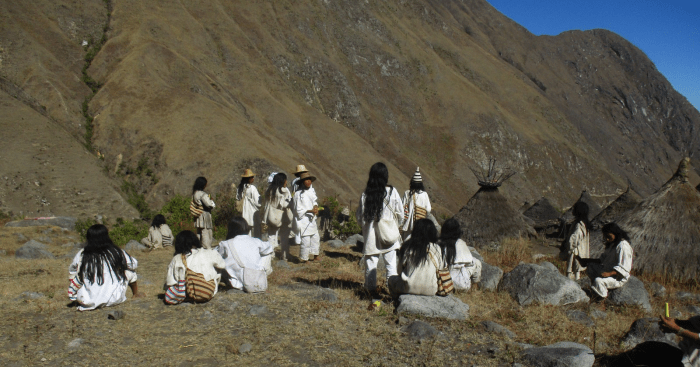
On 2 April, during a Maundy Thursday Chrism Mass, Cardinal Leopoldo Brenes addressed hundreds of Roman Catholic Church leaders who had filled the Metropolitan Cathedral in the Nicaraguan capital of Managua. He delivered a full sermon, but one particular quote of his was seized upon by Sputnik World, a Russian state-owned news agency:

‘People have been able to approach their churches with complete generosity, with complete freedom, and are living their faith. I believe that is the most important thing.’

The next day – Good Friday – the state-controlled media outlet Canal 4 Nicaragua shared a photo of the cardinal leading a procession outside a church on its Facebook page. The post generated 248 comments, among which the following stood out, each receiving dozens of likes:

Continue reading “Claims of freedom of religion or belief in Nicaragua are greatly exaggerated”