An unfolding tragedy: The decline of religious diversity in the Middle East

By Lord Alton of Liverpool

The Middle East and North Africa (MENA) region has seen a significant decline in religious diversity in recent years. While ancient Christian communities have often suffered, practically no religious group has been safe from this ongoing tragedy, with Ahmadis, Baha’is, Jews, Yazidis and Zoroastrians all affected, as well as both Shia and Sunni Muslims. For a host of reasons, in several countries in the region, minority communities who have deep roots going back several generations are being forced to leave their ancestral lands.

Iraq and Syria: Unending violence

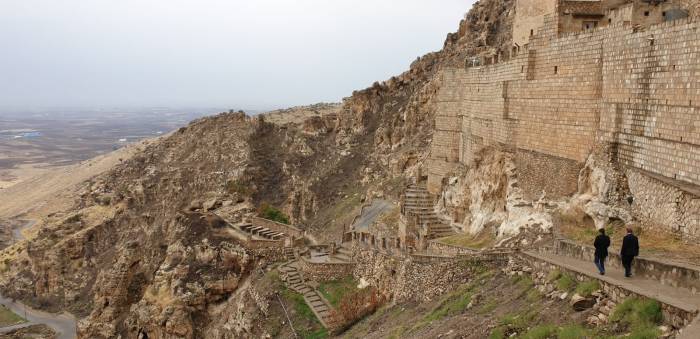
Since 2003, the numbers of Christians and Yazidis in Iraq have both dropped significantly. Thousands have been killed and hundreds of thousands have emigrated because of terrorism and sectarian violence. They will never return.

In 2014, the Islamic State (IS) captured Mosul and the Nineveh Plains. Thousands of non-Sunni men, women and children were either killed or enslaved. One study, by the Public Library of Science, estimates that 3,100 Yazidis were killed in a matter of days following the 2014 attack. Tens of thousands of Iraqi Christians subsequently emigrated to neighbouring countries over the following years, with their number now estimated at 250,000, down from 2.5 million before the 2003 invasion.

Continue reading “An unfolding tragedy: The decline of religious diversity in the Middle East”
The relationship between blasphemy laws and religious extremism in the Middle East and North Africa (Arabic)

العلاقة بين التطرف و بين قوانين ازدراء الأديان في منطقة الشرق الأوسط و شمال أفريقيا

تحتوي منطقة الشرق الأوسط و شمال أفريقيا على أكبر عدد من البلدان التي تحتوي قوانينها على شكل من أشكال قوانين التجديف أو ازدراء الأديان، حيث يقدر عدد البلدان التي مازالت تطبق هذه القوانين بشكل أو بآخر بتسع و ستين بلدا على مستوى العالم.

 و عموماً تعتبر العقوبات المطبقة في هذه الحالات من أكثر العقوبات شدة. ففي إيران مثلا يمكن أن يعاقب أي شخص يتم اتهامه بإهانة الرسول أو أي من أنبياء الإسلام بالإعدام وفقاً للمادة ٢٦٢ من قانون العقوبات. بينما في مصر فإن عقوبة “التحريض على الفرقة الدينية، إهانة أي ديانة سماوية أو أي مذهب تابع لأحدها، أو تهديد الوحدة الوطنية” قد تصل إلى خمس سنوات وفقاً للمادة الثامنة و التسعين من قانون العقوبات.

تعريف قوانين التجديف أو ازدراء الأديان:

قوانين التجديف هي مواد قانونية مهمتها تجريم أية أفعال أو أقوال أو كتابات أو أعمال فنية يتم اعتبارها مهينة لديانة أو معتقد ما أو لشخصيات مقدسة أو جارحة للمشاعر الدينية. تعاقب قوانين ازدراء الأديان أيضاً أية أفعال من شأنها تدنيس الأماكن الدينية و تعطيل العبادات و الطقوس الدينية.

Continue reading “The relationship between blasphemy laws and religious extremism in the Middle East and North Africa (Arabic)”

The relationship between blasphemy laws and religious extremism in the Middle East and North Africa

While an estimated 69 countries across the globe possess blasphemy laws of some kind, no geographical region has as many countries with such laws as the Middle East and North Africa (MENA). Furthermore, in many of these countries the penalties for committing the ‘crime’ of blasphemy are among the most severe.

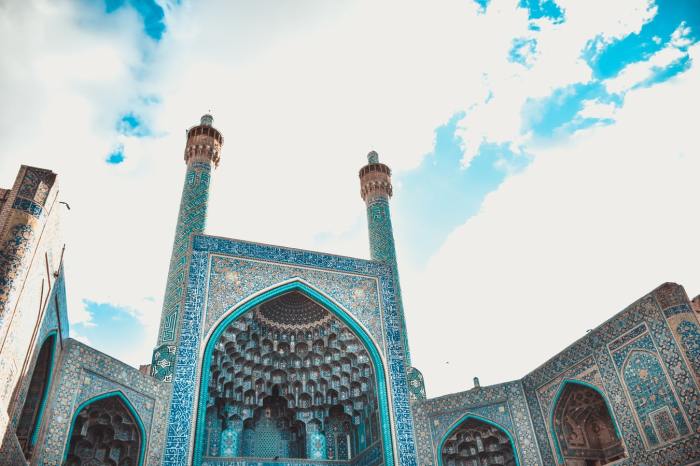
In Iran, for example, anyone who insults the ‘Great Prophet … or any of the Great Prophets’ of Islam can be sentenced to death under Article 262 of the Penal Code. In Egypt, the crime of “inciting strife, ridiculing or insulting a heavenly religion or a sect following it, or damaging national unity” is punishable by up to five years imprisonment under Article 98(f) of the Penal Code.

What are blasphemy laws?

Blasphemy laws criminalise actions, often emitted in speech, writing or art deemed defamatory to a certain religion, offensive against religious figures or harmful to religious feelings. They also criminalise actions such as the disruption of religious services and the desecration of religious sites.

Continue reading “The relationship between blasphemy laws and religious extremism in the Middle East and North Africa”

FoRB on the Frontlines: “We were ready for one of the family to be killed”

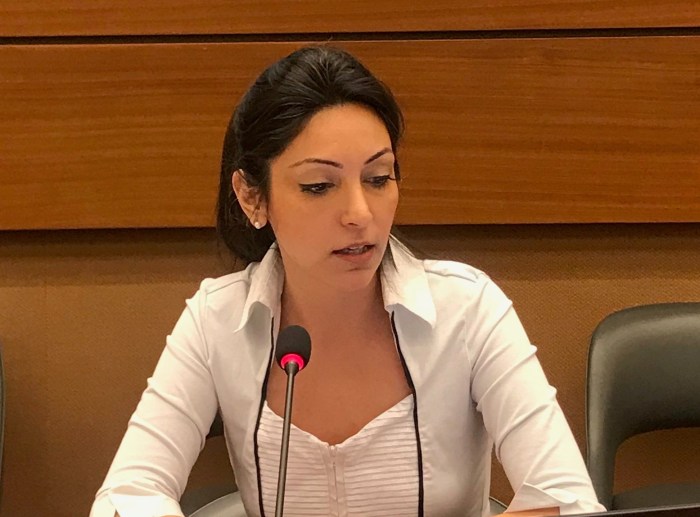
Dabrina Bet-Tamraz is an Iranian Christian human rights defender who currently resides in exile in Europe. In her home country, her entire family faces intense pressure from the Iranian government; her father, mother and brother have been charged with national security-related crimes for participating in everyday religious activities.

Dabrina has dedicated her life to advocating for her family and others like them facing persecution in Iran. She has raised their cases at the UN Human Rights Council in Geneva, as well as with President Donald Trump when she attended the second annual Ministerial to Advance Religious Freedom in the USA. In this interview she sheds light on her experiences as a young Christian in Iran, and on the current situation for her family and other Christians in the country.

“Growing up as a Christian in Iran, it was always obvious we were treated differently. Until I was about ten, the church experienced a decade of severe persecution. Pastors were being killed, churches were under massive pressure, and my parents were regularly taken in for interrogation.

When I was a teenager we were constantly under surveillance; we were bugged and there were spies in the church. It began to make us question everything everyone says. We didn’t know who we could trust.

Continue reading “FoRB on the Frontlines: “We were ready for one of the family to be killed””

Turkey under Erdogan: Caught between secular and Islamic identities

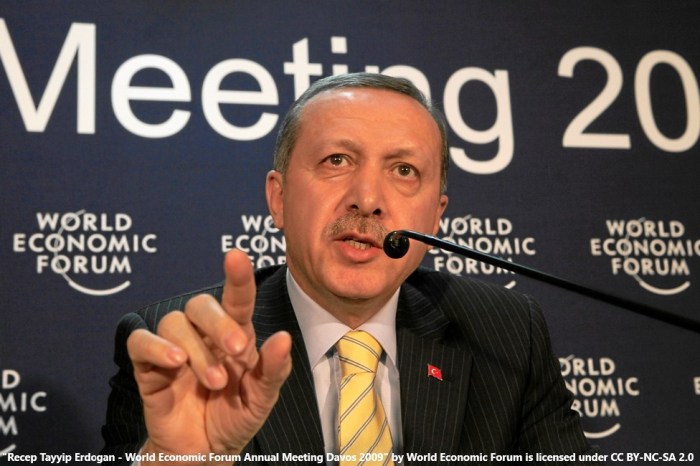
Although Turkey’s constitution defines the country as a secular state, it is caught between its secular and Islamic identities. The current government has publicly endorsed a move towards a Sunni Muslim identity for the country, conflating religious and national identities, by combining the religious nationalism propagated by the ruling Justice and Development Party (Adalet ve Kalkinma Partisi, or AKP) with the secular Nationalist Movement Party (Milliyetçi Hareket Partisi, or MHP)’s ideology of ‘ultra-nationalism,’ which is defined as “extreme nationalism that promotes the interests of one state or people above all others.”  

The promotion of religious ultra-nationalism in Turkey has contributed to a rise in discrimination, and in hate speech that incites violence against those who do not adhere to Sunni Islam.

Such incitement is visible in a variety of areas ranging from education and employment, to religious practices and day-to-day administrative procedures. There has also been a surge in the expression of anti-Semitism and anti-Christian sentiments in pro-government media.

Continue reading “Turkey under Erdogan: Caught between secular and Islamic identities”