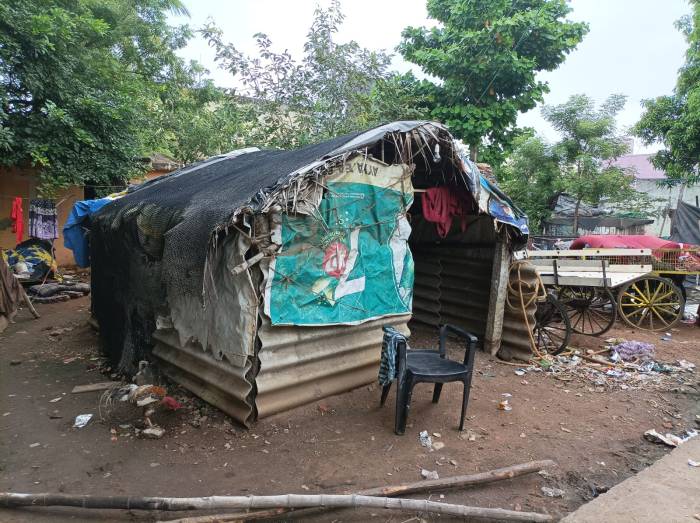
A hut in Mappedu, on the outskirts of Chennai, India.

Los Narikuravar: Una comunidad que necesita protección

En enero de 2023, CSW visitó la comunidad de Narikuravar en Mappedu, en las afueras de Chennai, y se reunió con miembros de una comunidad que durante décadas ha sufrido discriminación por motivos de género y, más recientemente, también por motivos de religión. El siguiente blog ofrece algunas reflexiones sobre la visita. por razones de seguridad los nombres han sido cambiados.

Radhika, madre de tres niñas, se sentó en una pequeña habitación con techo de paja. Con las manos cruzadas y un pañuelo sobre la cabeza, se arrodilló y oró fervientemente antes de volverse para hablar conmigo. Como mujer de una comunidad ignorada que también está sujeta a tradiciones restrictivas específicas de género, normalmente se lamentaría por su lamentable circunstancia, pero dice que su nueva fe le da la esperanza de vivir cada día.

Radhika pertenece a la comunidad Narikuravar, una tribu seminómada que originalmente eran cazadores y recolectores. Vive con otras 30 familias de Narikuravar en una pequeña colonia en Mappedu, en las afueras de Chennai. Los Narikuravar se han enfrentado y siguen enfrentándose a la discriminación en todas las esferas de la vida, incluida la educación, el empleo e incluso en la búsqueda de un lugar donde vivir.

Continue reading “Los Narikuravar: Una comunidad que necesita protección”
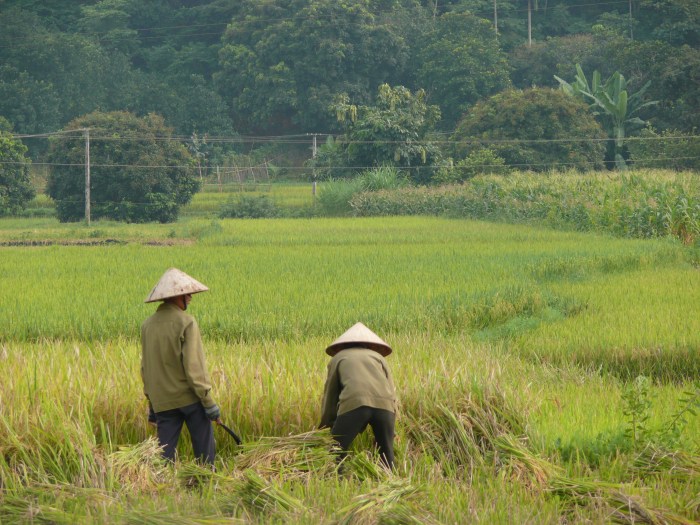
Farmers in Vietnam.

Una brecha entre la política y la práctica: en Vietnam, muchas comunidades indígenas tienen prohibido usar su propio idioma

“Tuvimos una celebración navideña con pancartas en diferentes idiomas como Jarai y Ede. A las autoridades no les gustó, así que nos prohibieron usar las pancartas en nuestros idiomas”.

Cristiano de un grupo indígena en Vietnam

El artículo 5 de la constitución de Vietnam establece que “cada grupo étnico tiene derecho a usar su propio idioma y sistema de escritura, para preservar su identidad nacional y promover sus buenas costumbres, hábitos, tradiciones y cultura”.

Y el Pacto Internacional de Derechos Civiles y Políticos, del que Vietnam es parte, establece que a las personas pertenecientes a grupos minoritarios no se les negará el derecho, en conjunto con los demás miembros de su grupo, a disfrutar de su propia cultura, a profesar y practicar su propia religión, o utilizar su propio idioma».

Continue reading “Una brecha entre la política y la práctica: en Vietnam, muchas comunidades indígenas tienen prohibido usar su propio idioma”
Farmers in Vietnam.

A gap between policy and practice: In Vietnam, many indigenous communities are forbidden to use their own language

‘We had a Christmas celebration with banners in different languages such as Jarai [and] Ede. The authorities did not like it, so they forbade us from using the banners in our languages.’

Christian from an indigenous people group in Vietnam

Article 5 of Vietnam’s constitution states that ‘every ethnic group has the right to use its own language and system of writing, to preserve its national identity, and to promote its fine customs, habits, traditions and culture’.

And the International Covenant on Civil and Political Rights, to which Vietnam is a party, states that persons belonging to minority groups ‘shall not be denied the right, in community with the other members of their group, to enjoy their own culture, to profess and practise their own religion, or to use their own language’.

Continue reading “A gap between policy and practice: In Vietnam, many indigenous communities are forbidden to use their own language”
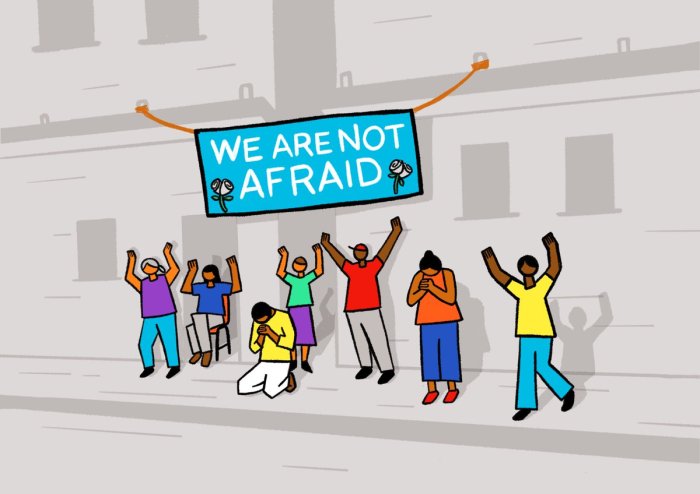
Cartoon depiction of protests in Cuba.

The international community must support the bravery of the Cuban people

‘I don’t think that any man can get used to this place, and even more so when one knows that one is here unjustly.’

– Pastor Lorenzo Rosales Fajardo

Pastor Lorenzo Rosales Fajardo has been a prisoner of the Cuban government for over 18 months. He was arrested, among many others, on 11 July 2021 in the midst of unprecedented nationwide protests in Cuba, and he is currently serving a seven-year prison sentence on completely fabricated charges of ‘disrespect’, ‘assault’, ‘criminal incitement’ and ‘public disorder’.

He is one of many political prisoners on the island, his continuing detention just one reminder of the Cuban authorities’ relentless hostility towards religious groups it views with suspicion and fear.

Continue reading “The international community must support the bravery of the Cuban people”
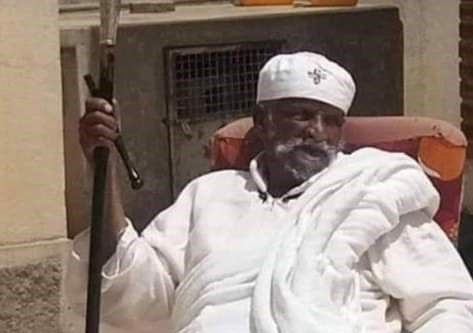
Abune Antonios, the legitimate patriarch of the Eritrean Orthodox Church.

Let us honour the memory of Patriarch Antonios by bringing an end to the violations of the Eritrean regime

Abune (Father) Antonios, the legitimate patriarch of the Eritrean Orthodox Church, died a year ago today. He was 94 years old, and had spent the last 16 years of his life under house arrest following his repeated objections to unwarranted government interference in church affairs.

In April 2004, the patriarch was appointed with the unanimous endorsement of the Holy Synod of the Church to lead one of only four recognised religious denominations in Eritrea (the others being Catholicism, Evangelical Lutheranism, and Sunni Islam). As a leader of one of the few religious communities not directly outlawed by the Eritrean authorities, one might have expected that he would not face the harassment and pressures the Eritrean regime excels in dispensing.

However, this was not the case. By August 2005 he had been removed by the government from administrative control of the patriarchate, and confined to ceremonial duties. Then in January 2006 he was removed from office in violation of canon law, his advisor Merigeta Yitbarek Berhe was detained, and he was held under de facto house arrest at his official residence. Eventually, in 2007 the patriarch’s personal pontifical insignia and clothing were seized, and he was formally placed under incommunicado house arrest in an undisclosed location in the Eritrean capital, Asmara.

Continue reading “Let us honour the memory of Patriarch Antonios by bringing an end to the violations of the Eritrean regime”