Long read: The history of religious persecution in Egypt

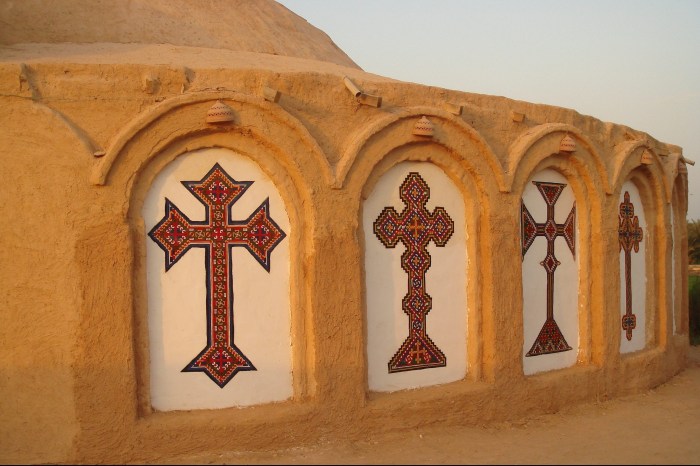
In November 2018, seven Coptic Christians were killed and 18 injured when terrorists attacked the bus they were travelling in to visit the Monastery of Anba Samuel the Confessor in Minya, Upper Egypt. The attack took place in the same location where 28 Coptic Christians were killed and 23 injured less than 18 months previously by masked gunmen who opened fire on the vehicles they were travelling in.

These violent attacks are part of a wider, longer term pattern of religious discrimination and persecution faced by Egypt’s Coptic community. The term ‘persecution’ is not used lightly; according to the Rome Statute of the International Criminal Court, persecution is ‘the intentional and severe deprivation of fundamental rights contrary to international law by reason of the identity of the group or collectivity.’

In order to understand the root causes of religious persecution in contemporary Egypt, it is important to examine the ideological, socio-political and cultural factors that have historically underpinned the persecution of religious minorities in the country.

Continue reading “Long read: The history of religious persecution in Egypt”

The Rohingya Crisis One Year On: Burma’s Work of Healing Cannot be Postponed Any Longer

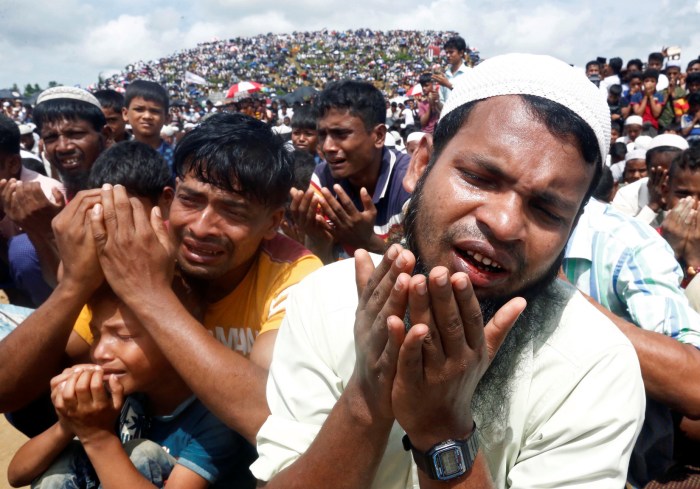
On 25 August last year, the Burma army unleashed its attack on the Rohingya people of northern Rakhine state, precipitating the country’s most severe human rights and humanitarian crisis since independence in 1949. The United Nations’ outgoing High Commissioner for Human Rights, Zeid Ra’ad al-Hussein, described this crisis as “a textbook example of ethnic cleansing”, and the UN Special Rapporteur on human rights in Burma, Yanghee Lee, warned of “the hallmarks of genocide”. After the genocides in Rwanda and Srebrenica the world lamented with the words: “Never again”. But a year ago in Burma, “never again” happened all over again.

“They made it impossible for us to stay – how could we survive?”

In March this year, I travelled to the refugee camps on the Bangladesh-Burma border, to meet survivors. Almost everyone I talked to had seen loved ones killed and villages burned. Accounts of mass rape were widespread. I met Rohingyas whose eyes had been shot out and limbs blown off, and heard of others whose eyes had been gouged out, throats slit and limbs hacked off.

Continue reading “The Rohingya Crisis One Year On: Burma’s Work of Healing Cannot be Postponed Any Longer”

Does a thaw in relations between Eritrea and Ethiopia offer hope for Christians?

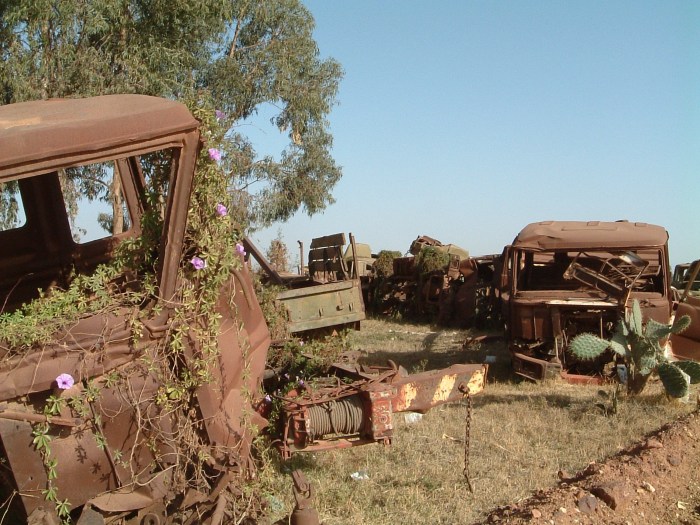
A thick layer of dust coats everything inside the Eritrean embassy in the Ethiopian capital, which was unlocked this week for the first time since 1998. Photos of this ‘time capsule’ were published by the BBC, which, along with the world’s media, is charting the remarkable thaw in relations between Eritrea and Ethiopia. The two nations went to war in 1998 but maintained a war footing due to Ethiopia’s refusal to allow demarcation of their common border, in accordance with a 2003 ruling.

Continue reading “Does a thaw in relations between Eritrea and Ethiopia offer hope for Christians?”

Shifting Alliances in Northwest Syria Make a Political Solution More Remote

In northwest Syria, religious minorities have suffered multiple attacks on their properties, places of worship and unknown numbers have been killed. The rights of small Christian and Druze communities that remain are likely to be further restricted by the rapidly changing political and military landscape in the area.

Talks in Astana, Kazakhstan

The Kazakh capital, Astana, has been the site of several rounds of talks organised by Russia, Iran and Turkey aimed at finding a political solution to the Syrian crisis. However, shifting power play between the different armed groups that constitute the rebel movement continues to throw up hurdles in the path towards peace.

Continue reading “Shifting Alliances in Northwest Syria Make a Political Solution More Remote”

Remembering Egypt’s Revolution

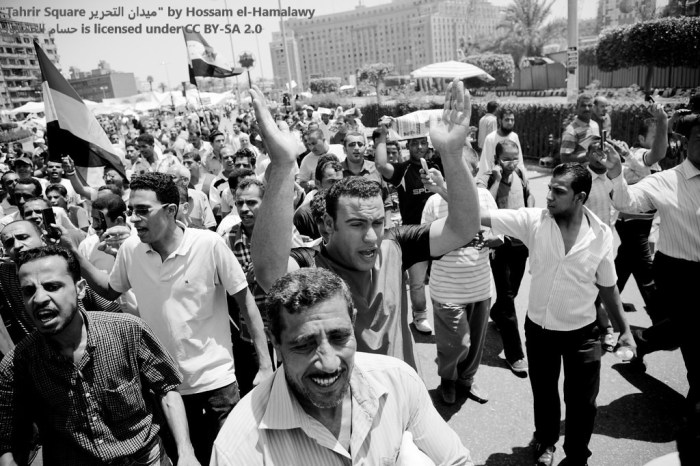
In Egypt 25 January has historically been National ‘Police Day’, commemorating the day in 1952 when 50 policemen were killed and others were injured by the British for refusing  to hand over their weapons to and evacuate Ismaïlia Police Station. However, owing to the events of 25 January 2011, the day is now known to many as the “Day of Rage”, when unprecedented anti-government protests broke out across the country. Three days later, on the “Friday of Anger” a huge demonstration convened in Tahrir Square in Cairo, with protesters demanding the removal of President Hosni Mubarak. On 11 February, 18 days after the demonstrations began, the President stepped down 2011.

Continue reading “Remembering Egypt’s Revolution”