Remembering the Victims of Acts of Violence Based on Religion or Belief

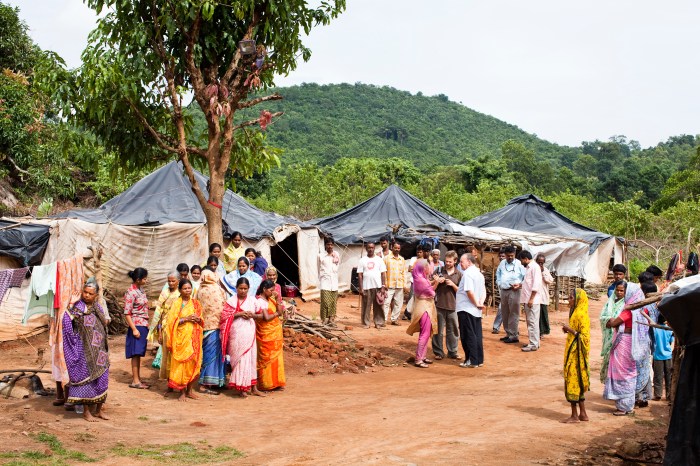
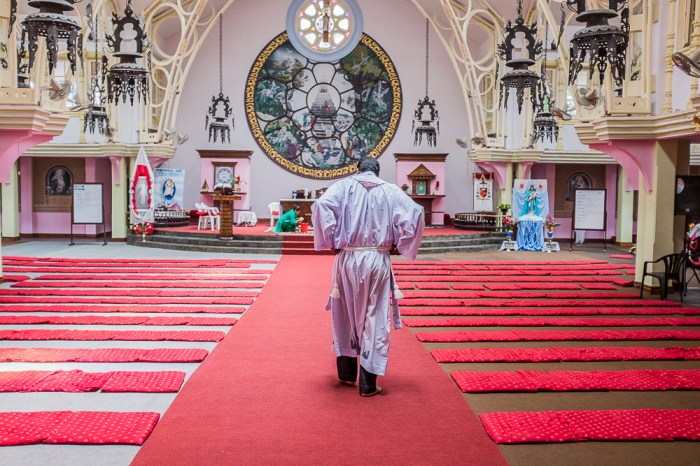
There have been numerous case examples of acts of violence based on religion or belief from every corner of the world – but one that repeatedly stands out for me is the incident that occurred back in 2008, in Kandhamal district, Odisha, India.

Kandhamal is home to some of the poorest and most marginalized communities in Odisha. On 25 August 2008, it was the epicentre of widespread communal violence targeting the Christian community. Local monitoring groups estimate that over 90 people were killed with at least 54,000 displaced, over 300 churches destroyed, and unknown numbers of women brutally sexually assaulted by groups belonging to the Rashtriya Swayamsevak Sangh (RSS) that espouse Hindutva ideology. More than a decade on, and most of the victims are yet to receive justice. In addition, attacks on religious minorities and on freedom of expression continue, and a lack of official condemnation towards acts of intimidation and violence has further empowered these groups. 

International Day Commemorating Victims of Acts of Violence Based on Religion or Belief

In 2019, in an effort to recognise, respond to and prevent such acts from occurring, the United Nations General Assembly (UNGA), designated 22 August as the International Day Commemorating the Victims of Acts of Violence Based on Religion or Belief.

The resolution establishing the international day does not highlight any specific religion or belief group, but refers to all victims, regardless of creed. It strongly deplores all acts of violence against persons on the basis of their religion or belief specifically, and “any such acts directed against their homes, businesses, properties, schools, cultural centres or places of worship, as well as all attacks on and in religious places, sites and shrines that are in violation of international law”.

Remarkably, the resolution received broad support and recognition from UN Member States across the world. It was tabled by Poland alongside Brazil, Canada, Egypt, Iraq, Jordan, Nigeria, Pakistan and the USA, and subsequently cosponsored by over 80 states, including the UK. However, with global recognition comes global responsibility; both the responsibility to commemorate victims of acts of violence based on religion or belief, and the responsibility to protect and promote the right to freedom of religion or belief (FoRB) for all.

Continue reading “Remembering the Victims of Acts of Violence Based on Religion or Belief”
As a newly elected member of the Human Rights Council, Nepal must practice what it pledges

All elected Member States of the United Nations Human Rights Council (HRC) have a special obligation to protect and promote human rights. While every State has a responsibility to uphold human rights, in theory and in practice, Member States on the Council are in a unique position; and to that end, it is important that they practice what they’re supposed to preach.

During the HRC elections, candidates submit voluntary pledges, committing to the promotion and protection of human rights, and once elected, to maintaining high standards towards the protection and promotion of human rights.

Often, a State’s campaign for election is not free from criticism. Indeed, current HRC Council Members include Saudi Arabia, Pakistan, and China; countries which are frequently pulled up for serious human rights violations.

“While every state has a responsibility to uphold human rights, in theory and in practice, Member States on the Council are in a unique position; and to that end, it is important that they practice what they’re supposed to preach.”

In 2017, Nepal was elected as a Member of the HRC. The country will serve for a period of three years, and could serve up to two consecutive terms. It is important that Nepal embraces its position on the Council, calls out human rights abuses, makes recommendations, and promotes peace and reconciliation and supports the work of Special Procedures among other human rights mechanisms.

Continue reading “As a newly elected member of the Human Rights Council, Nepal must practice what it pledges”

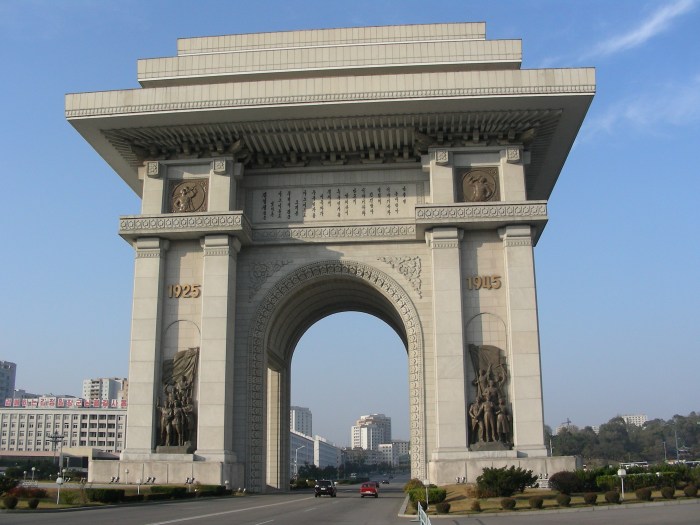
North Korea A Decade On: The Regime has not changed, but the people have.

A decade ago, Christian Solidarity Worldwide (CSW) published one of the first comprehensive reports on North Korea’s human rights disaster, with the conclusion that it amounts to crimes against humanity.

North Korea: A Case to Answer, A Call to Act was also one of the first reports to call on the United Nations to establish a Commission of Inquiry to investigate. Initially, we were almost alone in making this call – a voice crying in the wilderness, dismissed by some for pursuing an action that, it was predicted, would never happen. We were banging our heads against a brick wall, some said. We took the view that if enough of us bang our heads for long enough, we might dislodge some bricks.

Four years later, other human rights organisations were making the same call, and we founded the International Coalition to Stop Crimes Against Humanity in North Korea, together with over forty other organisations from around the world, to campaign for a UN inquiry. In early 2013 the UN High Commissioner for Human Rights added her support to this call, and a few months later the UN Human Rights Council established an inquiry. What some said could never be done was happening.

Continue reading “North Korea A Decade On: The Regime has not changed, but the people have.”

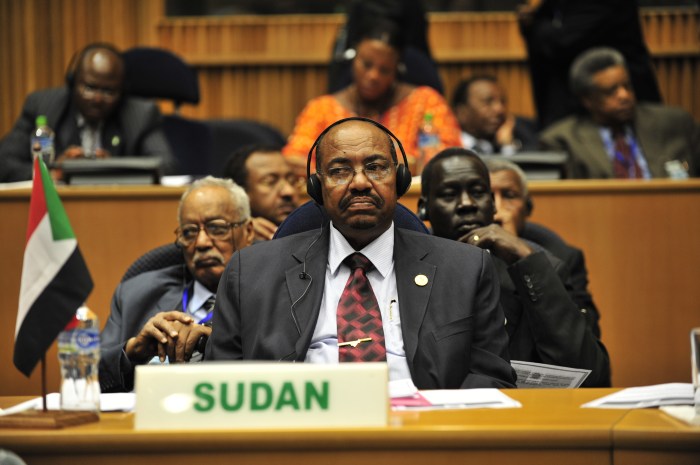
Will Lifting Sanctions improve Human Rights in Sudan?

The recent decision by the United States (US) to lift two decades of sanctions on Sudan has been welcomed by some international actors, but received criticism from human rights organisations, campaigners and Sudanese opposition politicians.

The significance of this achievement for the government of Sudan cannot be understated.

Sudan has invested heavily in efforts towards the lifting of sanctions, including bringing the African Union on board and supporting the appointment of the UN Special Rapporteur on the negative impact of the unilateral coercive measures on the enjoyment of human rights. The mandate holder is tasked with investigating the human rights impact of economic measures applied by one State to change policy of another State. After the creation of the role, the Special Rapporteur’s first visit was Sudan, where he advocated for the lifting of US sanctions.

Continue reading “Will Lifting Sanctions improve Human Rights in Sudan?”

No Ifs, No Buts: Torture Should Be Universally Condemned

“He was forced to take medicine. They stuffed the pills into his mouth… After taking the pills he felt pain in his muscles and his vision was blurred… He was beaten. He endured gruelling questioning while being denied sleep for days on end…” 

Wang Qiaoling describing the torture of her husband, lawyer Li Heping

“Even our breaths were suppressed. No voices. No texts. No images. No talking. No walking. Our hands, feet, our posture…every body movement was strictly limited. We needed permission for even the most trivial action”.

 Lawyer Zhao Wei, the youngest legal assistant detained in the 709 Crackdown

“Prisoners were also put in cages submerged mostly in water, and left inside for seven days, the entire body underwater with a space to breath at the top. As they stood in the water and tried to sleep, rats would scurry about outside the cage, biting their nose and ears.” 

Letter to world leaders by ‘709’ Family Members

These are just a few accounts of the torture experienced by human rights lawyers in China. Over 300 lawyers, activists, colleagues and family members were detained, interrogated or disappeared in a sweeping crackdown beginning on 9 July 2015, dubbed the 709 Crackdown. Two years on, most have been released, some on “bail” conditions amounting to house arrest, but with news of their release have come numerous testimonies of physical and psychological torture including frequent beatings, sleep deprivation, forced medication, violent threats, and prolonged isolation.

Use of torture in China

Lawyers and activists are by no means the only victims of torture. Many of the lawyers caught up in the crackdown had defended clients who had been tortured by police or security agents, including those arrested in connection with their religion or belief such as Falun Gong practitioners and Christians associated with unregistered churches, as well as those accused of crimes not related to politics or religion.

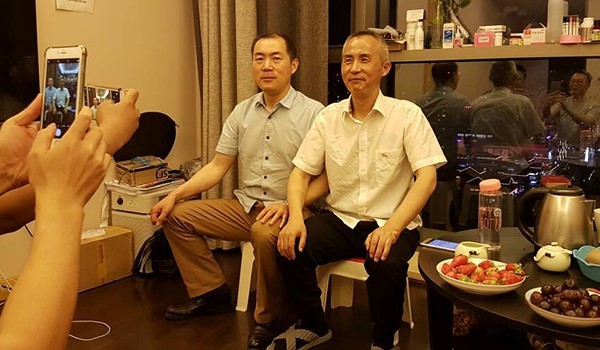
Li Heping reunion
Human rights lawyer, Li Heping (right) pictured with his brother Li Chunfu (left) following his release from detention.
Continue reading “No Ifs, No Buts: Torture Should Be Universally Condemned”