All posts

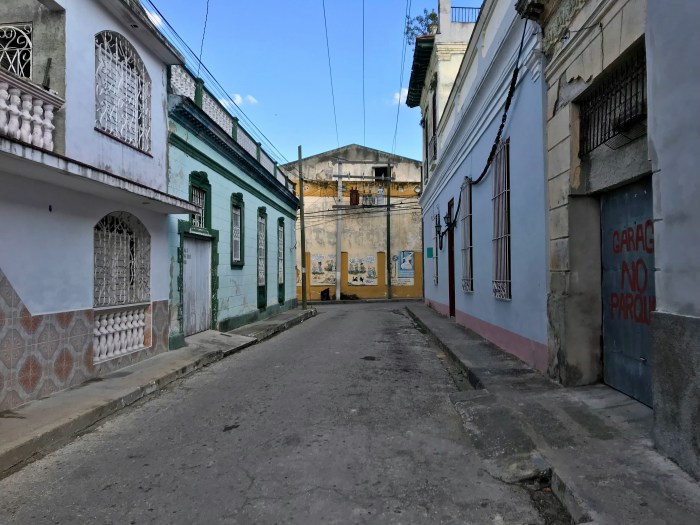
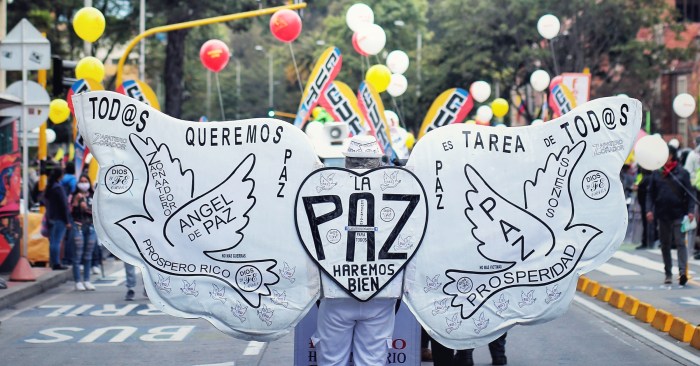
A pesar de las promesas del Gobierno, la «Paz Total» sigue siendo una utopía en Colombia

El 4 de abril, Maribel Silva, Isaíd Gómez y el tío de este, Carlos Valero, se dirigieron a acudir a una reunioón solicitada por un grupo armado ilegal que opera en el Municipio de Calamar, Departamento de Guaviare, Colombia. Al día siguiente, James Caicedo, Jesús Valero, Maryuri Hernández, Nixon Peñalosa y Óscar García hicieron lo mismo. 

Tras no regresar a sus hogares en el paraje de Agua Bonita, en Pueblo Seco, sus familiares contactaron a representantes del grupo armado ilegal que había emitido las citaciones, pero ellos negaron haberlas emitido. Posteriormente, se advirtió indirectamente a los familiares que debían dejar de buscar a sus seres queridos y «considerar el caso cerrado». 

Así, sus familias quedaron en el limbo, sumidas en la terrible incertidumbre de lo que les habría ocurrido, preguntándose si debían permanecer allí, aferrándose a la esperanza de que sus familiares regresaran a casa, o huir de la región por temor a represalias y por la seguridad y protección de la vida de los hijos y padres de las personas desaparecidas. Esas mismas ocho personas y sus familias se habían reubicado y establecido en Guaviare tras ser desplazadas del Departamento de Arauca debido a la violencia y las graves violaciones a la libertad de religión o de creencias, incluyendo el cierre de iglesias y los ataques contra pastores protestantes, por parte de grupos armados y criminales ilegales durante la última década. 

Continue reading “A pesar de las promesas del Gobierno, la «Paz Total» sigue siendo una utopía en Colombia”
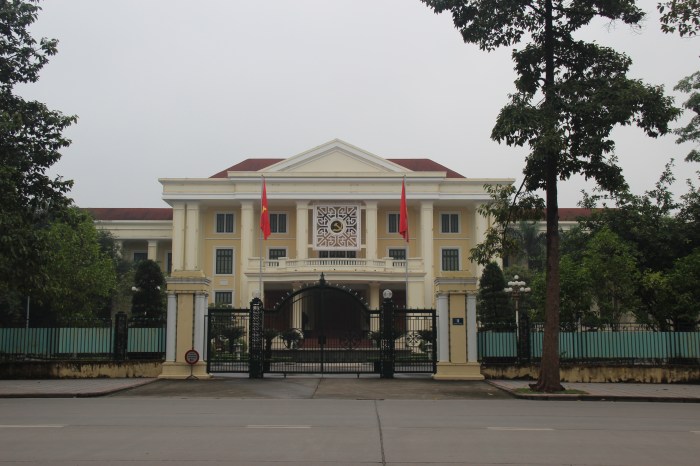

Vietnam’s government restructuring: Streamlining or strongarming?

In April this year the Vietnamese government formally introduced sweeping reforms during the 11th Plenum of the 13th Party Central Committee. The meeting laid the groundwork for the restructuring plan, which was later affirmed at the first Congress of the Government Party Organisation for the 2025–2030 tenure held on 13 October. 

At the April plenum, Party General Secretary Tô Lâm described the reforms as part of a long-term vision for national development, stating: ‘The restructure is a strategic decision without precedent, aimed at ensuring fast, stable, and sustainable national development, and at better serving the lives of the people.’ 

The reforms have been hailed by officials as a bold step toward modernisation and efficiency, but behind the rhetoric of ‘streamlining’, human rights advocates warn that these changes may deepen state control, restrict freedoms further, and marginalise vulnerable communities—most of whom are ethnic and religious minorities. 

Continue reading “Vietnam’s government restructuring: Streamlining or strongarming?”

Attacks on places of worship in Manchester and Peacehaven did not arise in a vacuum. Political leadership is urgently needed. 

A man drives a car into a crowd of people outside an Orthodox synagogue on the holiest day of the Jewish calendar. He proceeds to attack those gathered outside, fatally stabbing one before being shot dead by police, who also tragically killed another whilst attempting to neutralise the attacker. 

Two days later, two individuals in balaclavas set fire to the entrance of a mosque and a car parked outside it in what police are treating as a hate crime. Mercifully no-one was killed, with the two people who were inside the mosque able to escape.

At CSW, our work often involves reporting on attacks like these on places of worship in a number of countries – and often particularly in situations of conflict – around the world.  

Continue reading “Attacks on places of worship in Manchester and Peacehaven did not arise in a vacuum. Political leadership is urgently needed. “

For authorities in Cuba’s prisons, the right to freedom of religion or belief is a tool to manipulate 

It has been understood for decades that conditions in Cuba’s maximum-security prisons are terrible. They have only grown worse over the past few years as the entire country has experienced an economic and infrastructure crisis, with critical shortages of food and medicine across the country alongside the repeat failure of the island’s entire electrical grid, sometimes for days at a time.  

Since 1989, the Cuban government has refused access to the International Committee of the Red Cross to monitor or assess prison conditions. Prisoners are held in unhygienic, sometimes overcrowded conditions, in cells infested with mosquitoes and bedbugs. The food served to prisoners is unpalatable, riddled with insects and worms, and low in nutrition. Despite rampant disease, including tuberculosis, dengue, and dysentery outbreaks, throughout the prison facilities, medical attention is inadequate, if provided at all.  

During the hot and humid summer months, temperatures inside the cells can rise to dangerous levels. Multiple former political prisoners have told CSW that the only water they had extremely limited access to, both for drinking and personal hygiene, was cloudy or dirty.  

Continue reading “For authorities in Cuba’s prisons, the right to freedom of religion or belief is a tool to manipulate “

Para las autoridades de las cárceles cubanas, el derecho a la libertad de religión o creencias es solo una herramienta de manipulación

Durante décadas es bien sabido que las condiciones en las cárceles de máxima seguridad de Cuba son terribles. Estas condiciones no han hecho más que empeorar en los últimos años, , pues el país entero está hundido en una crisis económica y de infraestructura, agravada por la escasez de alimentos y medicamentos en toda la isla, aunado a los repetidos fallos de la red eléctrica de la  nación, a veces durante días. 
 
Desde 1989, el gobierno cubano ha negado el acceso al Comité Internacional de la Cruz Roja para supervisar o evaluar las condiciones carcelarias. Los presos se encuentran recluidos en condiciones insalubres, a veces de hacinamiento, en celdas infestadas de mosquitos y chinches. La comida que se les sirve es insípida, plagada de insectos y gusanos, y de bajo valor nutritivo. A pesar de la proliferación de enfermedades, como la tuberculosis, el dengue y los brotes de disentería, en las instalaciones penitenciarias, la atención médica es insuficiente, o incluso nula.

Durante los calurosos y húmedos meses de verano, las temperaturas dentro de las celdas pueden alcanzar niveles peligrosos. Numerosos ex presos políticos han declarado a CSW que el agua a la que tenían acceso,  tanto para beber como para su higiene personal, estaba extremadamente limitada, además de turbia o sucia.  

Continue reading “Para las autoridades de las cárceles cubanas, el derecho a la libertad de religión o creencias es solo una herramienta de manipulación”