Criminalisée, victime de meurtres et maudite : le sort de la communauté ahmadie du Pakistan

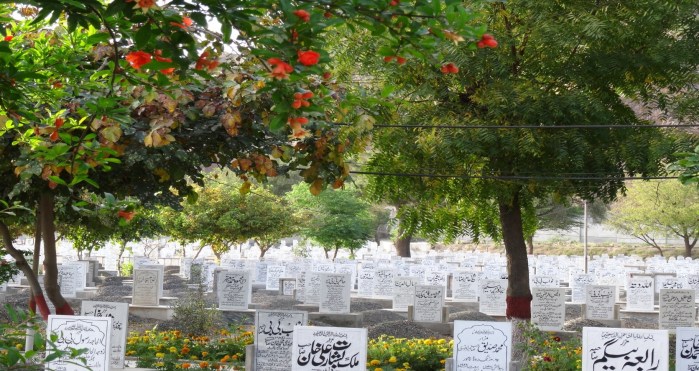
Le 11 février, Abdul Qadir, un médecin homéopathe ahmadi de 65 ans, a été abattu devant sa clinique dans le quartier de Bazikhel, à Peshawar, dans le nord-ouest du Pakistan. Ce meurtre est le dernier d’une série d’attaques à motivation religieuse contre les ahmadis, en particulier à Peshawar. 

L’année dernière, CSW a recensé au moins cinq autres cas de meurtres d’ahmadis, dont un incident au cours duquel un médecin de 31 ans, Tahir Mahmood, a été assassiné devant sa famille à son domicile de Murch Balochan, dans le district de Nankana Sahib, au Pendjab. 

Le fait que la communauté ahmadie du Pakistan soit depuis longtemps victime de harcèlement, discrimination, violence et autres violations des droits humains ne laisse guère de doute quant à la motivation religieuse de ces meurtres. On voit aussi clairement se dessiner un schéma selon lequel des médecins et des universitaires éminents ont été spécifiquement ciblés par les extrémistes. 

Il est fort probable que, dans une certaine mesure, ces personnes aient été tuées car elles occupaient des places importantes dans la société. Pour les extrémistes du pays qui refusent d’accepter les ahmadis comme musulmans, l’idée que des membres de ladite communauté puissent occuper des postes à responsabilité, par exemple dans des hôpitaux ou des universités, est sans aucun doute un affront à leur interprétation fondamentaliste de l’islam. 

Continue reading “Criminalisée, victime de meurtres et maudite : le sort de la communauté ahmadie du Pakistan”

From one crackdown to another: The life of Xu Na

In China, June is a sombre month for those who remember the mass pro-democracy protests across the country and the military’s bloody crackdown in 1989. Remembrance itself is an act of defiance against the suppression and manipulation of history by the Chinese authorities. Each year, events are held worldwide to pay tributes to the victims and their families.

What is less widely reported however, is how survivors’ lives have been changed by the tragic events of  ‘June 4th’, as the events are known in China.

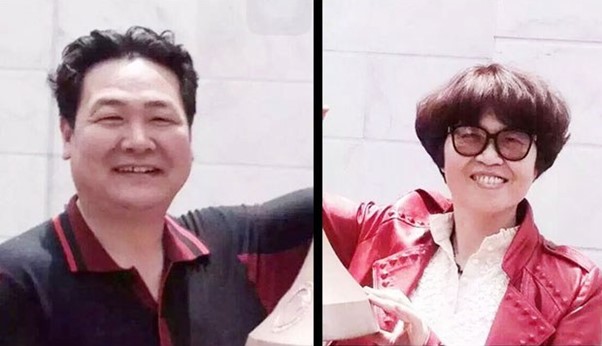
One of the protesters on Tiananmen Square was Xu Na, then a student at Beijing Broadcasting Institute (BBI). She was holding a banner with her fellow friends that read “Freedom of the Press; Freedom of Speech” while marching through the Beijing streets. Thirty-two years later, Xu Na is in another place in Beijing: Dongcheng District Detention Centre, where she has been criminally detained for the past 11 months.

Continue reading “From one crackdown to another: The life of Xu Na”

Call for Action to Address Conflict-Related Sexual Violence in Ethiopia’s Tigray Region from Women from Africa and of African Descent

As women from Africa or of African descent, we are marking the International Day for the Elimination of Sexual Violence in Conflict by signing this open letter in solidarity with the women and girls in the Tigray region of Ethiopia, who are being targeted in a campaign of sexual violence which the UN Special Representative on Sexual Violence in Conflict has described as being of “a level of cruelty beyond comprehension.”

During a disturbing briefing to the Nations (UN) Security Council in April, the UN Under-Secretary-General for Humanitarian Affairs and Emergency Relief Coordinator Sir Mark Lowcock reported an unspecified agency operating in Tigray had estimated that 30% of all incidents against civilians involved sexual violence, which he confirmed is being used “as a weapon of war, as a means to humiliate, terrorize and traumatize an entire population today and into the next generation.” The perpetrators were identified as members of the “Ethiopian National Defence Forces, Eritrean Defence forces, Amhara Special Forces, and other irregular armed groups or aligned militia,” and nearly a quarter of the cases involved gang rape over an extended period of time.

Reports continue to emerge from Tigray of wives being raped in front of their husbands; mothers raped in front of their children and vice versa; family members forced to choose between raping female relatives or death, and of women themselves being forced to choose between rape or death. Several victims report their assailants boasted of “cleansing” their bloodline, while others arrive at medical facilities having suffered additional traumatic injuries to their reproductive organs inflicted by attackers to prevent them from bearing children. Researchers from Ghent University in Belgium have concluded this campaign of mass rape fits “a pattern that has been evident in previous genocidal actions, and [is] reminiscent of events in Bosnia and Rwanda.”

Continue reading “Call for Action to Address Conflict-Related Sexual Violence in Ethiopia’s Tigray Region from Women from Africa and of African Descent”

Recognising the remarkable: A call for the release of Nguyen Bac Truyen

“He never refused anyone who needed his assistance… He was doing his work with much humility… I believe that he belongs to a human category that could not ignore any injustices that happened around him.”

Vu Quoc Dung, human rights defender with Veto!

“He is a man of honour, admired and respected by many”

A supporter1 of Nguyen Bac Truyen

“Standing up for one’s own community is admirable; but standing up on behalf of others, when you yourself are being oppressed – that is truly courageous.”

Ed Brown, Secretary-General at Stefanus Alliance International
Continue reading “Recognising the remarkable: A call for the release of Nguyen Bac Truyen”

Derribando el “muro del miedo” de Cuba

Ningún derecho humano fundamental existe aisladamente. Hay superposiciones y enlaces significativos entre todos los derechos humanos, por ejemplo, los relacionados con la libertad de religión o creencia (LdRC), la libertad de expresión, y la libertad de asamblea. Estos tres derechos se ubican juntos en los Artículos 18, 19 y 20 de la Declaración Universal de Derechos Humanos de las Naciones Unidas.

Durante el año pasado, y sobre todo en meses recientes, estos derechos relacionados entre sí han sido crecientemente atacados en Cuba, durante manifestaciones pacíficas de miembros de la sociedad civil independiente, como artistas y periodistas que además se identifican con una religión o creencia en particular. Estos grupos se mantiene protestando de diferentes maneras hasta el día de hoy, solicitando reformas legales y políticas, sobre todo en contra del Decreto Legal 370 y el Decreto Legal 349.

El Decreto Legal 349 entró en vigor en el 2018 y otorgó al gobierno control extensivo sobre toda forma de expresión artística en la isla, especificando incluso que cualquier actividad artística tendrá que ser aprobado por adelantado por el Ministerio de Cultura. Inmediatamente, muchos ciudadanos cubanos expresaron preocupaciones por que la ley esencialmente apagaría la libertad de expresión en Cuba, si solamente se permitiera la existencia del arte que haya sido aprobado por el gobierno. En el mismo año un grupo de artistas, periodistas y académicos se unieron para formar el Movimiento San Isidro para protestar de manera pacífica y creativa ante la censura oficial de la expresión artística en la isla.

Continue reading “Derribando el “muro del miedo” de Cuba”