EU FoRB Day – A call for the renewal of the mandate of the Special Envoy on Freedom of Religion or Belief outside of the European Union

Seven years ago, the EU Guidelines on freedom of religion or belief (FoRB) were adopted by the Foreign Affairs Council. Today, the FoRB community celebrates this informally as ‘EU FoRB Day’ and civil society take this opportunity to call for the renewal of the mandate of the Special Envoy.

This past April came and went with no decision by the Commission on the future of the mandate of the Special Envoy on Freedom of Religion or Belief (FoRB) outside the EU, which ended on 30 November 2019.

In January 2019, one of the last resolutions by the last EU Parliament was to lend its support to the renewal. The COVID-19 crisis notwithstanding, the Commission’s hesitation despite letters by MEPs and civil society calling for the renewal of the mandate, sends a signal to Europeans and the international community about its reticence to continue to promote this fundamental right.

Freedom of religion or belief is enshrined in Article 9 of the European Convention on Human Rights and Article 18 of the Universal Declaration of Human Rights. It protects the right of individuals to practise the religion or belief of their choice, or none at all – a freedom which is under threat in many parts of the world.

Against this backdrop, the Special Envoy role matters a great deal.

Continue reading “EU FoRB Day – A call for the renewal of the mandate of the Special Envoy on Freedom of Religion or Belief outside of the European Union”

Killed on a daily basis: International inaction on Nigeria’s security crisis cannot continue

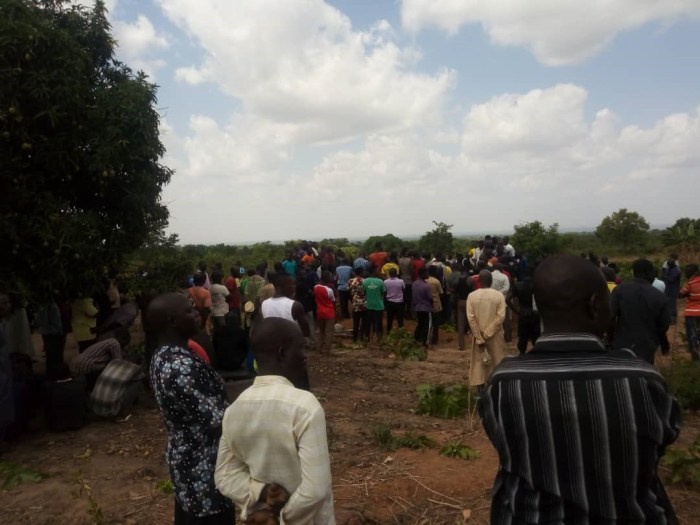
On 3 June the predominantly Christian Tudun Agwalla community in Kajuru Local Government Area (LGA), Kaduna State, Nigeria, buried nine of its members in a mass grave. They had been murdered by machete wielding assailants of Fulani ethnicity, who had attacked the village in the early hours of the morning. An unknown number of people were also injured during the attack. Seven remain missing.

The tragedy continued the next day when three-year-old Elizabeth Samaila became the tenth victim of the attack after she died from her injuries.

This is by no means an isolated event. Since the start of the year, predominantly Christian communities in southern Kaduna have been violently attacked in this manner on an almost daily basis. Hundreds have lost their lives, hundreds more have been injured, and an estimated 20,000 people have been displaced.

Continue reading “Killed on a daily basis: International inaction on Nigeria’s security crisis cannot continue”

A welcome development – the National Commission on Freedom of Religion or Belief in Sudan

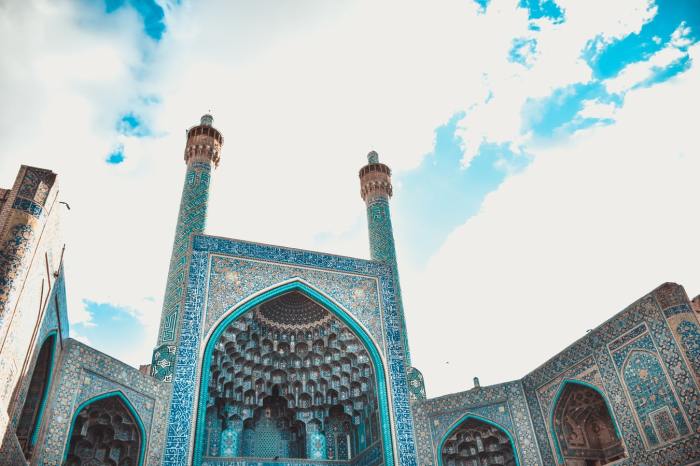
On 21 May, Sudan’s transitional government and the Sudan People’s Liberation Movement-North (Agar) announced the creation of an independent National Commission on Freedom of Religion or Belief (FoRB).[1] This welcome development has the potential to be of great benefit to the Sudanese people, and particularly to groups that have been marginalised historically. However, implementation will be the key factor determining whether the commission realises its full potential.  

The transitional government, specifically the Prime Minister and Minister of Religious Affairs, have made positive statements and pledges regarding the advancement of FoRB for all. However, there are limitations to the current government’s capacity to respond effectively to the many obstacles to the full enjoyment of FoRB by every religious community.

Over the last 30 years, policies, laws and practices have systematically undermined the rights of marginalised communities in Sudan, particularly Christians, as well as Muslims who did not conform to what the former regime deemed to be permissible religious practice. The transitional government has the herculean task of investigating, reviewing and taking steps to compensate for past violations, and ensuring an end to these abuses.

Continue reading “A welcome development – the National Commission on Freedom of Religion or Belief in Sudan”

On 4 June We Remember…

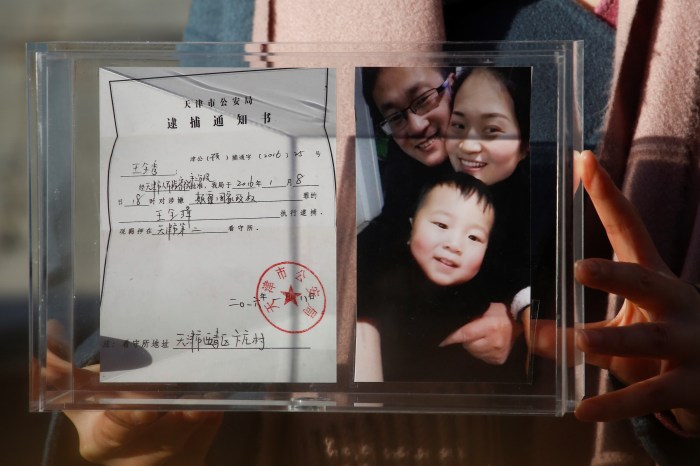
On 4 June 1989 Chinese army troops brutally supressed peaceful protests for freedom and democracy, killing and wounding thousands of people in Tiananmen Square in Beijing, in what has become one of the most infamous days in China’s history.

31 years on, the current human rights situation is itself a tragedy. The Chinese Communist Party continues to violate the rights of citizens across the country, stamping out dissent, stifling freedom of expression, and tightening its stranglehold on the right to freedom of religion or belief.

Today we remember all those who lost their lives in the bloodshed and stand with their families as they continue to seek justice. We also remember those who have since been targeted by China’s oppressive regime, and urge the international community to hold China to account for severe violations of human rights.

Continue reading “On 4 June We Remember…”

Instead of gossiping about the Kim dynasty, the world should focus on North Korea’s human rights atrocities

By Benedict Rogers

One of the very few non-COVID-19 stories that hit the headlines last month was the rumoured near-death of North Korea’s dictator Kim Jong-Un. For almost three weeks the speculation grew that he was dying or had died, and the discussion around who would succeed him reached near-fever pitch. Would it be his sister Kim Yo-jong? But would conservative North Korea be ready for a female leader? Would it be a senior military leader? But then what would that do to the regime’s credibility in the eyes of the North Korean people, if the Kim dynastic succession was broken?

But then, almost as mysteriously as he disappeared, the man known as “the Dear Leader” re-emerged, opening a fertilizer plant outside Pyongyang. Precisely what had happened remains known only to the core leadership of the world’s most secretive state. There was no shortage of rumours. It was suggested that he may have had surgery, that he may have had coronavirus, that he may simply have escaped Pyongyang to avoid infection and even that he had been injured in a missile test. But will we ever know?

Continue reading “Instead of gossiping about the Kim dynasty, the world should focus on North Korea’s human rights atrocities”