The UN Belongs to All of Us: Chinese Prisoners of Conscience Speak Out

Welcome to the United Nations. It’s your world.

Until recently, when you accessed the United Nations (UN) website, these words would appear. They’re still used on some webpages, and the sentiment behind them still stands.

The UN is often the subject of criticism, and its flaws are well-documented, yet it remains one of the most important arenas for raising human rights concerns, including the right to freedom of religion or belief.

Three times a year, in Geneva, Switzerland, the UN Human Rights Council comes together and UN staff, member state delegations and non-governmental Organisations (NGOs) all rub shoulders in meetings, formal sessions and – frequently – impromptu chats over coffee and in canteen queues.

On the agenda are some of the most serious human rights situations in the world.

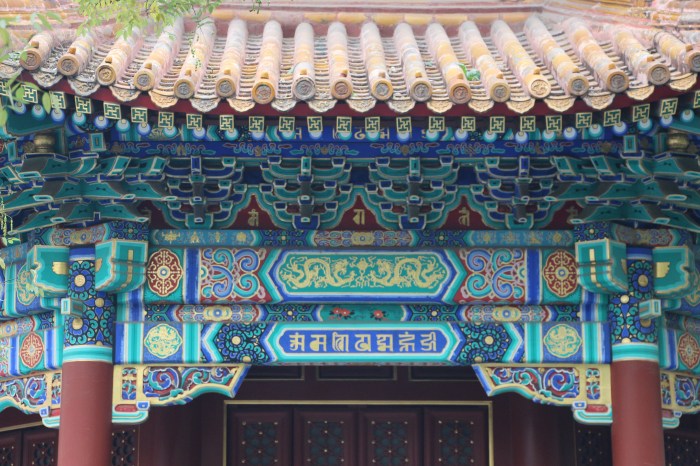
This is also an opportunity for NGOs like Christian Solidarity Worldwide (CSW) to organise side events running parallel to discussions at the Council, where victims of human rights violations, as well as experts and activists, can present their cases in an open forum. In March 2018, CSW hosted one of its first side events at the UN Human Rights Council since obtaining ECOSOC Consultative Status: an opportunity to discuss some of the most severe and complex challenges to religious communities in China.

Continue reading “The UN Belongs to All of Us: Chinese Prisoners of Conscience Speak Out”

North Korea A Decade On: The Regime has not changed, but the people have.

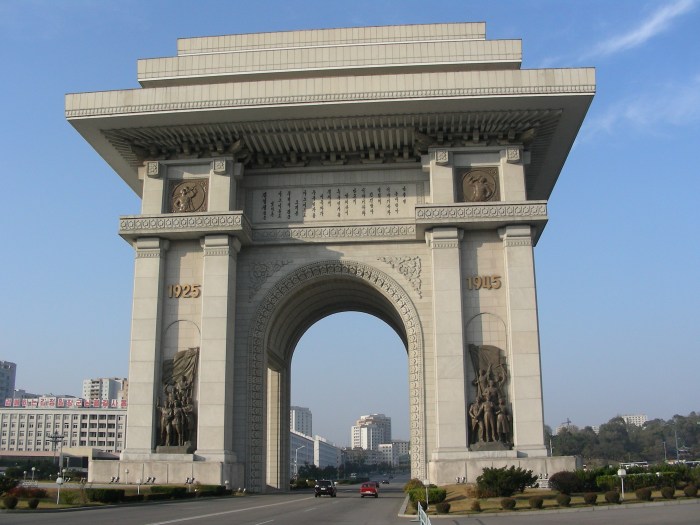
A decade ago, Christian Solidarity Worldwide (CSW) published one of the first comprehensive reports on North Korea’s human rights disaster, with the conclusion that it amounts to crimes against humanity.

North Korea: A Case to Answer, A Call to Act was also one of the first reports to call on the United Nations to establish a Commission of Inquiry to investigate. Initially, we were almost alone in making this call – a voice crying in the wilderness, dismissed by some for pursuing an action that, it was predicted, would never happen. We were banging our heads against a brick wall, some said. We took the view that if enough of us bang our heads for long enough, we might dislodge some bricks.

Four years later, other human rights organisations were making the same call, and we founded the International Coalition to Stop Crimes Against Humanity in North Korea, together with over forty other organisations from around the world, to campaign for a UN inquiry. In early 2013 the UN High Commissioner for Human Rights added her support to this call, and a few months later the UN Human Rights Council established an inquiry. What some said could never be done was happening.

Continue reading “North Korea A Decade On: The Regime has not changed, but the people have.”

FoRB in China: The UK needs to speak out


Prime Minister Theresa May’s first official visit to China, which begins today, is billed as an opportunity to boost trade with an important ally. But it will also take place against the backdrop of the country’s violations of fundamental human rights, including freedom of religion or belief.

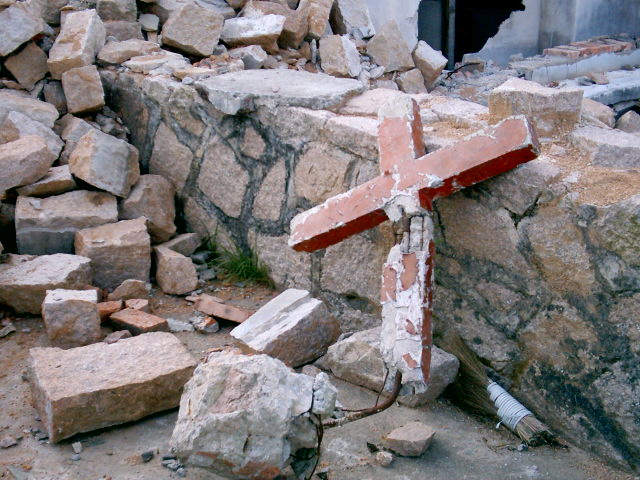
In the last month, Christians have been detained, and unregistered churches shut down or destroyed ahead of the implementation of revised Regulations on Religious Affairs, which strengthen state control over religious activities in China.

Unregistered churches, sometimes called house churches, are independent churches which have not registered with the state-sanctioned Three Self Patriotic Movement. The new regulations are due to come into force tomorrow, giving Mrs May a rare opportunity to speak directly to the Chinese government and publicly to reiterate the UK’s commitment to defending human rights.

Continue reading “FoRB in China: The UK needs to speak out”

The Freedom of Religion Law in Jharkhand, India: A recycled law that’s repressive on all counts

Religious conversion was criminalised in India’s Jharkhand State on 11 September with the introduction of the so-called ‘Freedom of Religion’ law, making Jharkhand the seventh State to introduce such legislations after Odhisa (1967), Madhya Pradesh (1968), Chhattisgarh (1968), Arunachal Pradesh (1978), Gujarat (2003) and Himachal Pradesh (2006).

Section 3 of the Jharkhand Freedom of Religion Act 2017 declares “no person shall convert or attempt to convert, either directly or otherwise, any person from one religion/ religious faith to another by the use of force or by allurement or by any fraudulent means, nor shall any person abet any such conversion.” The punishment includes a prison term of up to three years and/or a fine up to fifty thousand rupees (equivalent to about £580).

Continue reading “The Freedom of Religion Law in Jharkhand, India: A recycled law that’s repressive on all counts”

Rosie Costa

Rosaline (Rosie) Costa, a Bangladeshi human rights activist, was forced to leave the country in July 2016. In 2017, CSW interviewed her in New York. During the interview, Rosie discussed the reasons she had to leave Bangladesh, and shed light on issues of religious freedom in the country.

Rosie’s involvement in human rights work began in 1986, after she left the community of nuns to which she belonged for 17 years to pursue human rights work. She spent time working with women and children in the garment industry, establishing a hostel for rescued children who had been forced into madrasas (colleges for Islamic instruction), and speaking around the world about issues faced by minorities and particularly Hindus.

Forced To Flee

While Rosie had been no stranger to risk in her work, her fears for her safety grew following a number of killings of Christians in Bangladesh, perpetrated by people claiming to belong to Daesh. “I realised that I was being followed by some people, that’s when I left the country … I saw how the people were killed, so if something was to happen to me nobody would be able to rescue me from these people.”

Continue reading “Rosie Costa”