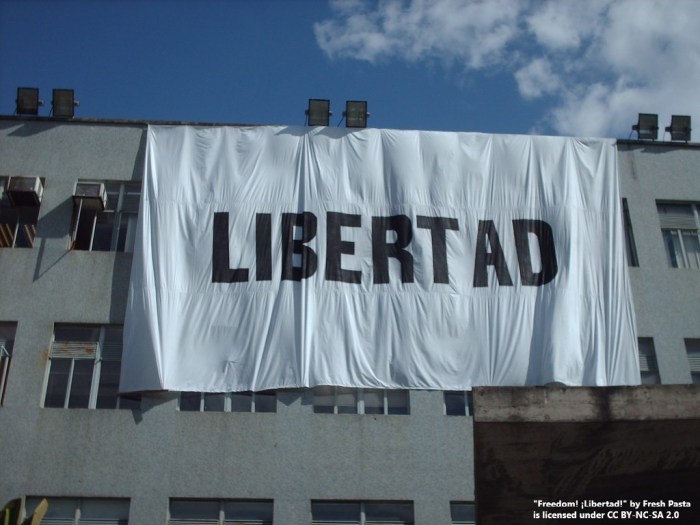
En la línea de fuego frente a la LdRC: “Una competencia para el gobierno”

En algunos países latinoamericanos, líderes religiosos frecuentemente desempeñan papeles como líderes comunitarios y defensores de los derechos humanos. Como resultado, estos líderes se enfrentan al acoso, la intimidación e incluso la violencia en las manos de actores estatales y no estatales. Durante las próximas semanas CSW presentará entrevistas con líderes religiosos quienes trabajan en la región para destacar sus experiencias en la línea de fuego frente  a la libertad de religión o creencia (LdRC).

David* es un líder religioso trabajando en Venezuela. Ha implicado el acompañamiento pastoral a víctimas de violaciones de sus derechos humanos.

“Para hacer un trabajo social en Venezuela – entregar alimentos, hacer otras cosas, cuestión que yo hago – hay que hacerlo con mucha discreción, hay que hacerlo con cierto cuidado, y sin embargo es imposible no arriesgarse.

En teoría nosotros tenemos la libertad religiosa en Venezuela, pero algunos sacerdotes y líderes religiosos son un blanco para el gobierno, que es una especie de confederación de fuerzas que pretende mantenerse en el poder tratando de sostener su control social sobre las personas.

LEE MÁS

FoRB on the Frontlines: “A rival to the government”

In several Latin American countries, religious leaders often take on the roles of community leader and human rights defender. As a result, these leaders often face harassment, intimidation and even violence at the hands of state and non-state actors. Over the next few weeks CSW will be presenting interviews with religious leaders working in the region to highlight their experiences on the frontlines of freedom of religion or belief.

David* is a religious leader working in Venezuela. In his role, he has provided pastoral accompaniment to victims of human rights violations.

“To do social work in Venezuela – distributing food and other things, the work that I do – you have to be very discreet, you have to be very careful, and even then it’s impossible not to put yourself at risk.

In theory we have freedom of religion in Venezuela, but some priests and religious leaders are a target for the government, which is a kind of confederation of forces that aims to stay in power by trying to maintain social control over the people.

Continue reading “FoRB on the Frontlines: “A rival to the government””

En la línea de fuego frente a la LdRC: “Salimos de la ciudad para no volver”

En algunos países latinoamericanos, líderes religiosos frecuentemente desempeñan papeles como líderes comunitarios y defensores de los derechos humanos. Como resultado, estos líderes se enfrentan al acoso, la intimidación e incluso la violencia en las manos de actores estatales y no estatales. Durante las próximas semanas CSW presentará entrevistas con líderes religiosos quienes trabajan en la región para destacar sus experiencias en la línea de fuego frente a la libertad de religión o creencia (LdRC).

Otto es un pastor Protestante quien huyó de Tuluá, Colombia.

“Si dice algo va a terminar como esos dos…

Era un domingo en la mañana, y todo iba como de costumbre, pero en ese día iba a cambiar nuestras vidas.

LEE MÁS

FoRB on the Frontlines: “We left the city and did not return”

In several Latin American countries, religious leaders often take on the roles of community leader and human rights defender. As a result, these leaders often face harassment, intimidation and even violence at the hands of state and non-state actors. Over the next few weeks CSW will be presenting interviews with religious leaders working in the region to highlight their experiences on the frontlines of freedom of religion or belief.

Otto is a Protestant pastor working in Tuluá, Colombia.

“If you say anything you will end up like those two…

It was a Sunday morning, everything was normal, but it was a day in which our lives would change.

Continue reading “FoRB on the Frontlines: “We left the city and did not return””

The promise of an inclusive India?

As Narendra Modi’s Bharatiya Janata Party (BJP) starts its second innings in government after one of the most bitter, vicious and polarising election campaigns India has witnessed, he has been speaking of an aspirational and inclusive India.

The BJP-led coalition National Democratic Alliance (NDA) secured 350 seats of the 542 seats in the Lok Shaba (parliamentary) elections, with their majority growing from 25% in 2009 to 45% in 2019. Given the BJP’s Hindu nationalist agenda, this success gives rise to concerns that BJP-controlled areas may be subject to increased FoRB violations.

With exceptions in the south, for example in Andhra Pradesh, Kerala, Tamil Nadu and the Union Territory of Puducherry, the BJP made fresh progress in West Bengal and Odhisa, and continued to tighten its grip on existing stronghold states like Madhya Pradesh, Rajasthan, Gujarat, Haryana, Uttar Pradesh and Chhattisgarh.  Despite the Southern states remaining largely free from the BJP, FoRB monitoring in the South will need to be stepped up, particularly with the party’s win in West Bengal and Odhisa, states that have recorded a rise in FoRB violations.  

Continue reading “The promise of an inclusive India?”