Hong Kong Protests 2: An interview with a Chinese human rights advocate

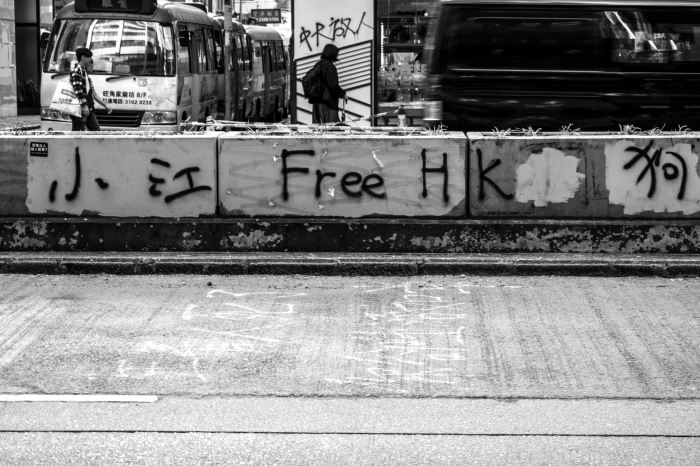
Since June 2019, Hong Kong has seen unprecedented protests in which millions of citizens have taken to the streets calling for democracy and respect for human rights. Despite a repressive and violent government response, demonstrations remain ongoing seven months later.

CSW recently spoke to a Chinese human rights advocate, who shared his views on the current situation and what may lie ahead for Hong Kong.

The protests began in response to a proposed extradition bill. Now that the bill has been officially withdrawn, why are people still protesting?

The withdrawal of the extradition bill is just one of the Hong Kong protesters’ five demands, so the protests continue. They also want to be able to vote for their own leader, and for there to be an independent investigation committee to look into violations by the police. These things are also very important to the protesters, so just withdrawing the law couldn’t satisfy the public.

Continue reading “Hong Kong Protests 2: An interview with a Chinese human rights advocate”

VIDEO: FoRB on the Frontlines in Vietnam, an interview with Nguyen Van Dai

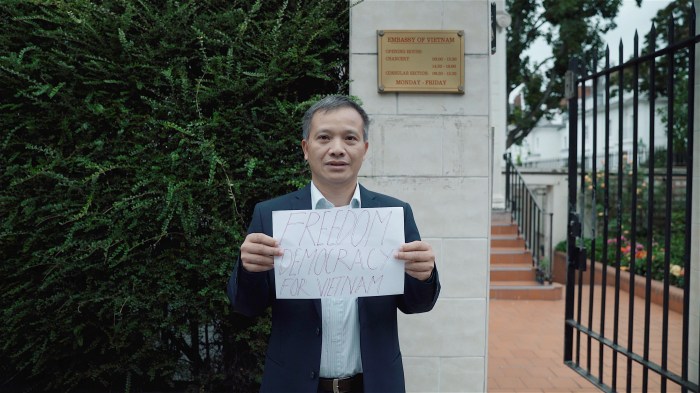
Nguyen Van Dai is a Vietnamese human rights lawyer who has provided legal advice and representation to victims of human rights abuses, including victims of violations of freedom of religion or belief (FoRB), across Vietnam. His work has led to him being repeatedly harassed and attacked by individuals working for the authorities.

Dai spent four years in prison from May 2007 to March 2011, followed by a further four years under house arrest. In December 2015, just months after Dai had completed his house arrest sentence, he and his colleague were taken into police custody once again as he was preparing to meet European Union representatives who were in Hanoi for the annual EU-Vietnam human rights dialogue.

Dai subsequently spent a further two and a half years in prison before being released to exile Germany in June 2018. Last year he visited the UK and told CSW his story in his own words. Watch the video below:

Continue reading “VIDEO: FoRB on the Frontlines in Vietnam, an interview with Nguyen Van Dai”

The face of Hindu Rashtra in India – Towards a majoritarian state

Almost eight months since the Bharatiya Janata Party (BJP) was elected for a second term on promises of economic development, the BJP and its ideological ally the Rashtriya Swayamsevak Sangh (RSS) have instead focused their attentions on a familiar theme – fuelling communal tensions.

This time the alliance has made an unprecedented attack on the nation’s foundational tenets: the Indian Constitution. India is currently being ruled by a regime of executive orders and polarising policies, which are being used to manoeuvre around issues of race, religion and identity.

Violent integration: Jammu and Kashmir (J&K)

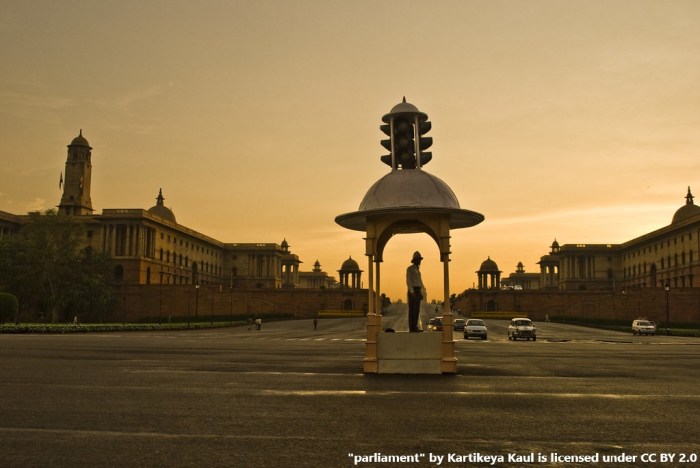
On 5 August 2019, possibly one of the darkest days in India’s history, Home Minister Amit Shah tabled a motion in Parliament to abrogate Article 370 and 35A of the Indian Constitution. The move essentially stripped Jammu and Kashmir (J&K) of the degree of autonomy the region had enjoyed since its secession to India on 26 October 1947.

Continue reading “The face of Hindu Rashtra in India – Towards a majoritarian state”

The Rajapaksas’ return to power means an uncertain future for Sri Lankan minorities

On 18 November 2019, Gotabaya Rajapaksa, a former defence secretary and brother of two-term president Mahinda Rajapaksa, was sworn in as Sri Lanka’s eighth president. Representing the Sri Lanka Podujana Peramuna (SLPP) the Sinhalese-Buddhist Nationalist Party, Gotabaya received just over 52% of the vote.

Despite his apparent popularity, he is nevertheless a divisive figure in Sri Lankan politics. During his time as defence secretary from 2005 to 2015 he was accused of committing grave human rights violations and war crimes, including the establishment of military death squads, whilst simultaneously being praised by others for his part in overseeing the end of the long running civil war between the Liberation Tigers of Tamil Eelam (LTTE) and the Sri Lankan government.

Support for Gotabaya came almost exclusively from Sinhalese-Buddhist areas in the south of Sri Lanka. He struggled to win votes in the north and east of the country where the majority of Sri Lanka’s Tamils and Muslims are based.

“It is all of our worst fears realised … Sri Lanka is totally polarised by this result”

Hilmy Ahmed, vice-president of the Sri Lanka Muslim Council.

Continue reading “The Rajapaksas’ return to power means an uncertain future for Sri Lankan minorities”

A Fork in the Road: What lies ahead for religious minorities in Sri Lanka, India and South Asia?

Sri Lanka and India are facing pivotal moments, both for their future, and the future of South Asia as a whole. Both countries’ drives towards religious hegemony have left little place for Christians and Muslims, a factor which will certainly lead to more instability and intolerance in the region.

Sri Lanka: Buddhist nationalists vindicated

Sri Lanka was the site of the 2019 Easter Sunday bombings, in which over 250 people were killed when terrorists targeted a number of churches and hotels across the country. In the aftermath of the bombings, there were reports of violent attacks against Muslims and an increase in anti-Muslim prejudice. Some reprisals against the Muslim population have been carried out by Christians, in contrast to the previous relative harmony between the two communities as they both battled intolerance from sections of the Sinhalese Buddhist population.

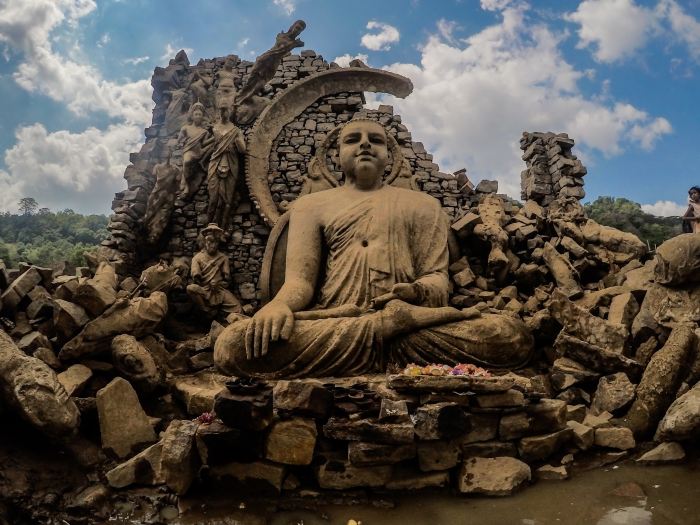
Furthermore, Buddhist nationalist groups such as the Bodu Bala Sena (BBS), who have been portraying Islam as a threat to both Buddhism and Sri Lanka for years, consider their stance vindicated by the bombings.

Continue reading “A Fork in the Road: What lies ahead for religious minorities in Sri Lanka, India and South Asia?”