The Premier League must act on Man City owner’s involvement in the war in Sudan

In February 2021 Sheikh Mansour bin Zayed Al Nahyan, then the Deputy Prime Minister and now also the Vice President of the United Arab Emirates (UAE), received a controversial visitor. 

At the time General Mohamed Hamdan ‘Hemedti’ Dagalo was serving as Deputy Chairman of the Transitional Sovereignty Council of Sudan. He was also still the leader of the Rapid Support Forces (RSF), a group which is in reality the rebranded Janjaweed militia who were responsible for the 2003-05 Darfur genocide, and more recently, had presided over the June 2019 massacre of at least 120 pro-democracy protesters on the streets of Khartoum. 

Hemedti was already a friend to the UAE. The Emirates had reportedly paid him to send RSF fighters to Yemen as part of a Saudi-led collation to crush Houthi insurgents, in 2018. During his 2021 visit, he and Sheikh Mansour toured an arms fair, browsing exhibits of rockets and drones alongside the leader of the Chechen Republic. 

Continue reading “The Premier League must act on Man City owner’s involvement in the war in Sudan”
“I’m not buying it, China”: The cost of fast fashion for religious and ethnic minorities in China’s Uyghur region

A new cotton jumper arrived in my post this week, with three words on the label that sent my mind spinning: ‘Made in China.’ Whereabouts in China? Was it made in the Uyghur region? Was this jumper a product of forced labour? A token of a part I had played – albeit unknowingly – in fuelling an industry which I knew to be entrenched in the plight of China’s religious and ethnic minorities?

Where does China’s cotton come from?

China is one of the world’s largest cotton producers and most of its cotton is produced in the Xinjiang Uyghur Autonomous Region (Uyghur Region), referred to by many Uyghurs as ‘East Turkestan.’ Credible reports claim that the Uyghur Region produces 84% of China’s cotton output, and it is the main supplier and exporter of cotton, apparel, and textile products to Chinese factories, within China and internationally.[1] The Coalition to End Uyghur Forced Labour believes that 20% of the world’s cotton comes from the Uyghur Region.

Continue reading ““I’m not buying it, China”: The cost of fast fashion for religious and ethnic minorities in China’s Uyghur region”

Cultura de impunidad en México, parte 2: Años perdidos y oportunidades perdidas

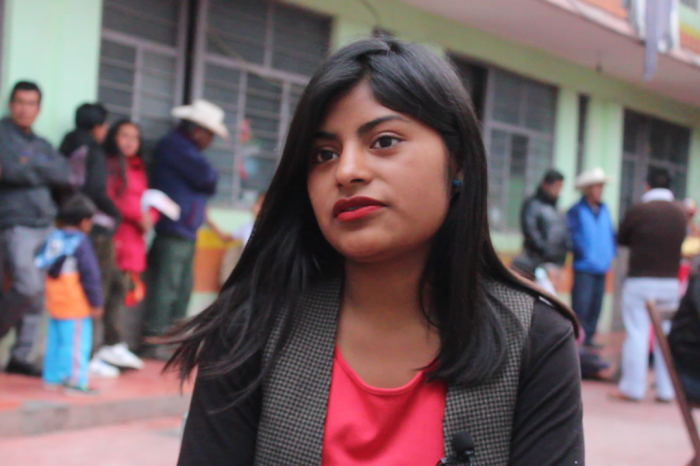
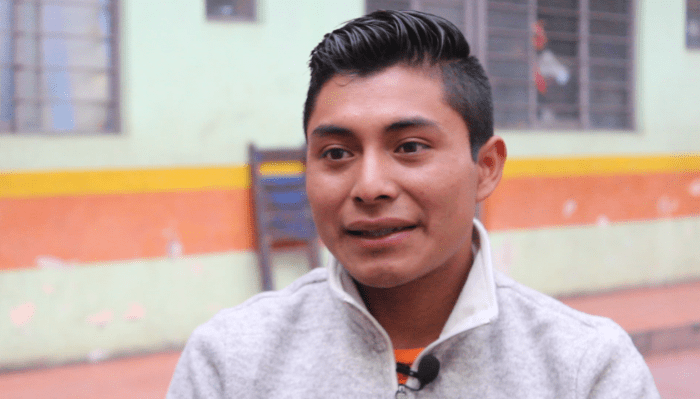
La semana pasada, el Oficial de Defensa de América Latina de CSW detalló la cultura de impunidad que obstaculiza la protección y la promoción de la libertad de religión o de creencias (LdRC) en México. En este post le ponemos una cara humana a los efectos de la respuesta inadecuada del gobierno a las violaciones de LdRC, para mostrar lo que le sucede a las personas cuando las autoridades retrasan o descuidan sus responsabilidades de proteger a las minorías religiosas.

Un caso que ilustra la cultura profundamente arraigada de la impunidad que rodea los ataques a las minorías religiosas en México es el de la comunidad de Yashtinin en el municipio de San Cristóbal de las Casas en el estado de Chiapas.

Todo comenzó en 2012, cuando varias personas se convirtieron a otra religión diferente a la mayoritaria. Algunos miembros de la comunidad temían que esta nueva religión dañara sus costumbres y tradiciones y afectara negativamente a sus hijos. El 10 de junio de 2012, un grupo numeroso de la comunidad fue a la casa de Santiago Hernández Vázquez, uno de los hombres que se habían convertido.  Se llevaron a todos los que se encontraban allí y los metieron en prisión, en medio de insultos, amenazas con violencia; incluso consignas de muerte en el proceso.

Después de encarcelar a 16 hombres y niños en un espacio normalmente destinado a albergar a una sola persona, los maestros locales empleados por el gobierno falsificaron un documento que afirmaba que las familias habían decidido voluntariamente abandonar la comunidad. Las víctimas fueron obligadas a firmarlo y se les dio tres días para irse. Tras la expiración del ultimátum, 12 familias fueron expulsadas después de que los aldeanos destruyeron todas sus casas y propiedades. Para el año 2015, un total de 28 familias habían sido expulsadas de la misma comunidad.

LEE MÁS

Mexico’s Culture of Impunity Part 2: Lost years and missed opportunities

Last week, CSW’s Latin America Advocacy Officer detailed the culture of impunity that hinders the protection and promotion of freedom of religion or belief (FoRB) in Mexico. In this post we put a human face on the effects of the government’s inadequate response to violations of FoRB, showing what happens to individuals when authorities delay or neglect their responsibilities to protect religious minorities.

Click here to read this post in Spanish.

One case which illustrates the deep rooted culture of impunity that surrounds attacks on religious minorities in Mexico is that of the community of Yashtinin in San Cristóbal de las Casas Municipality in Chiapas State.

Everything began in 2012, when several people converted away from the majority religion. Some members of the community were afraid that this new religion would damage their customs and traditions and negatively affect their children. On 10 June 2012 a large group from the community went to the house of a Santiago Hernández Vázquez, one of the men who had converted, and took everyone that was meeting there to prison, insulting them and threatening them with violence and even death in the process.

After imprisoning 16 men and boys in a space normally meant to hold a single individual, local teachers employed by the government falsified a document stating that the families had voluntarily decided to leave the community. The victims were forced to sign it and given three days to leave. Upon the expiration of the ultimatum, 12 families were expelled after villagers destroyed all of their homes and property. By 2015, a total of 28 families had been expelled.

Continue reading “Mexico’s Culture of Impunity Part 2: Lost years and missed opportunities”

Faith and a Future: Every Child Free to Learn

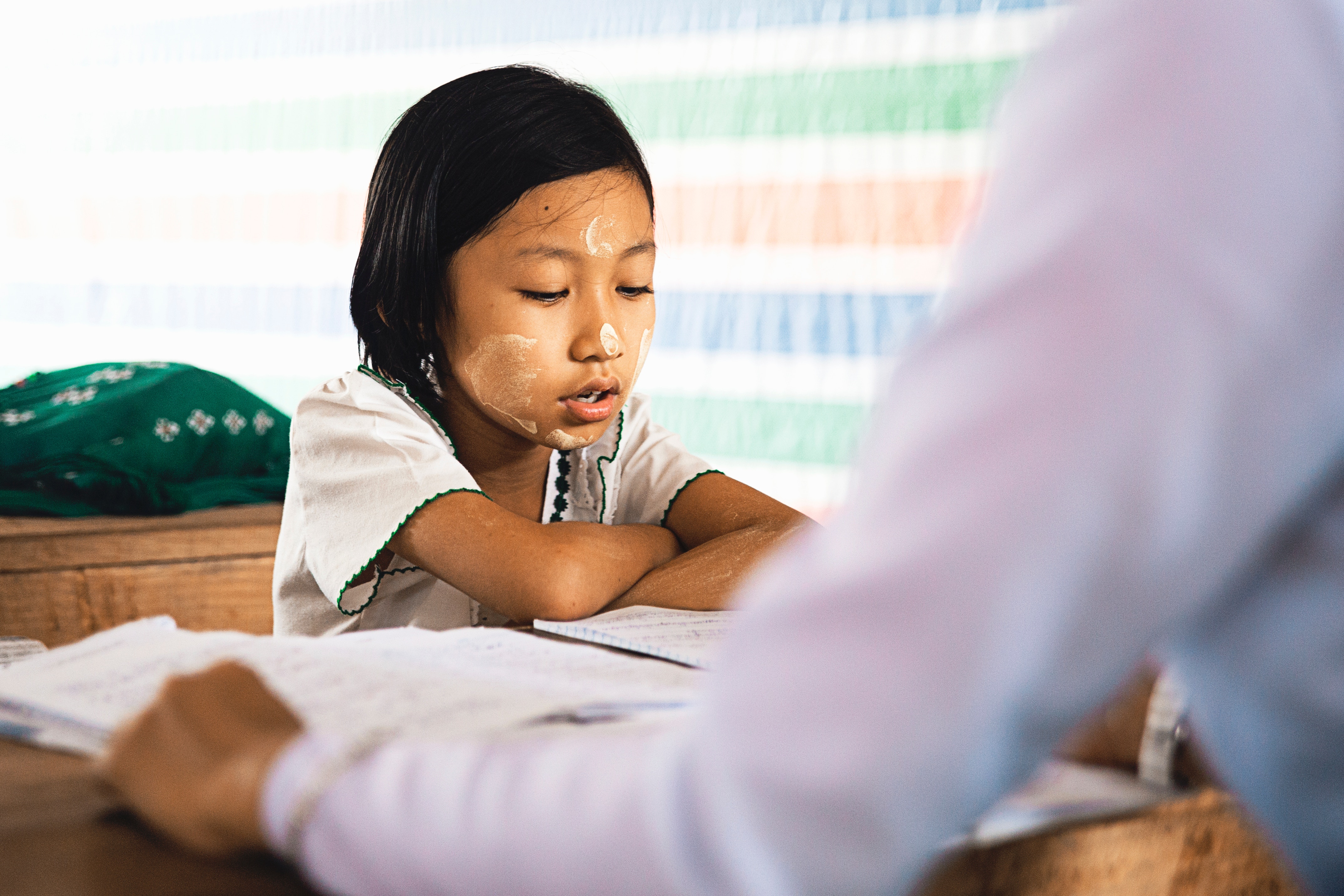
Girl Learning
Child at school in Hpa-An, Kayin State, Burma. Credit: Peter Hershey

A child’s right to freedom of religion or belief (FoRB) is guaranteed under international law. Yet children and young people in several countries across the world experience discrimination because of their religion or belief, including in educational settings.

For example, Christian children in northern Nigeria are often obliged to adopt Muslim names in order to access education. Hindu children in Pakistan face psychological and physical abuse from classmates and teachers. Rohingya Muslim children in Burma witness their schools being knocked down. Baha’i children in Iran are regularly abused physically and verbally by teachers.

“I was beaten with sticks approximately twice a week throughout nursery and prep. After that the manner of the abuse changed. As well as physical punishment, I was mentally abused and tortured by consistently being told to convert.”

Gurinder Singh, Sikh, Pakistan, 17 years old

The right to education, like the right to FoRB, ‘is crucial to the realization of a wide array of other human rights.’1 Education can facilitate social mobility, or entrench disadvantage. It can assist in creating a culture of tolerance, or contribute towards fuelling stereotyping, intolerance and extremism.

With this in mind, Christian Solidarity Worldwide (CSW) has produced a new report entitled Faith and a Future: Discrimination on the Basis of Religion or Belief in Education. Through verified case studies and in depth research in five countries spanning five geographical regions, this report seeks to stimulate vital conversations, encouraging further research and necessary action to address religious discrimination in educational settings.

Continue reading “Faith and a Future: Every Child Free to Learn”