FoRB on the Frontlines: Fighting misconceptions on a daily basis

In the run-up to Human Rights Day on 10 December and the 20th anniversary of the UN Declaration on Human Rights Defenders on 9 December, CSW has been speaking with HRDs across South Asia to find out what it means to be a FoRB defender in the region.

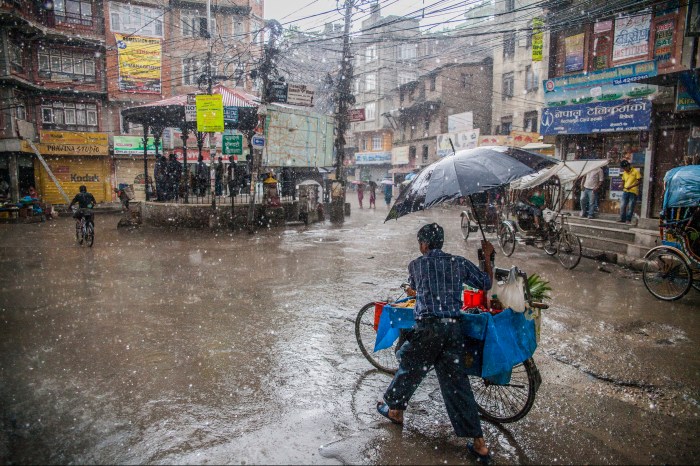
John* is a human rights defender working in Nepal:

“It has been almost a decade since I was (first) involved in human rights advocacy. Initially, it was a learning phase as a member of an international movement, which later turned into social action.

Since then I have been supporting public advocacy for the full realisation of freedom of religion or belief (FoRB) for all in Nepal, especially in the current context as we welcome a new constitution and political environment.

Aside from this I have been raising areas of concern regarding conflicts of interest in non-governmental sectors. A fully functioning and empowered civil society is vital for Nepal to achieve its transitional aims, and I view this as an important part of my work, especially when trying to encourage and defend the right for all to practice their religion or belief, regardless of racial class or social background.

Continue reading “FoRB on the Frontlines: Fighting misconceptions on a daily basis”
FoRB on the Frontlines: Under threat of violence

Nehemiah Thumbnail USE

In the run-up to Human Rights Day on 10 December and the 20th anniversary of the UN Declaration on Human Rights Defenders on 9 December, CSW has been speaking with HRDs across South Asia to find out what it means to be a FoRB defender in the region.

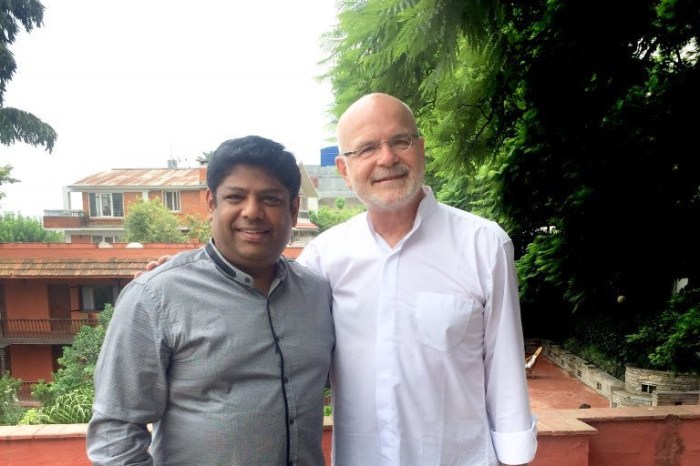
Nehemiah Christie is a human rights defender working in India:

“My experience as a human rights and FoRB defender in South India has worsened ever since the Modi government came to power. With the BJP relying on the backing of Hindu fundamentalist groups, the threat to minorities has increased, especially with regard to Christians in India. In Tamil Nadu, where I and many others work on the front line defending people’s right to freedom of religion and belief (FoRB), we have faced extreme hostility.

HRDs here have been shot, raped, and threatened by both state and non-state actors. Threats are often perpetuated by police and other authorities trying to silence our voices by labelling us as anti-national elements working against the interests of India. Continue reading “FoRB on the Frontlines: Under threat of violence”

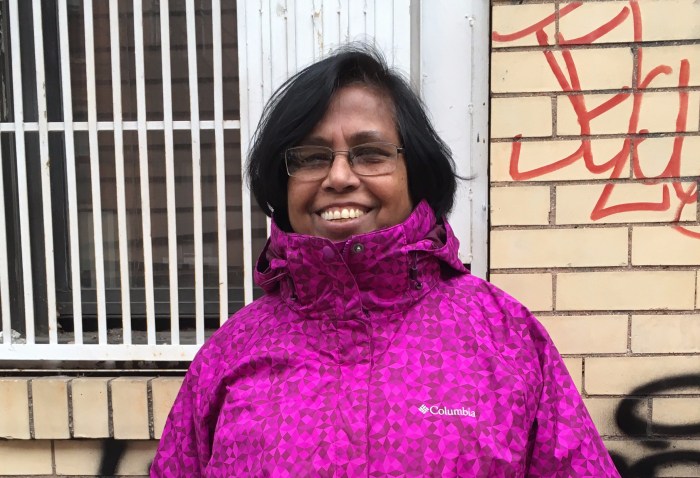
Rosie Costa

Rosaline (Rosie) Costa, a Bangladeshi human rights activist, was forced to leave the country in July 2016. In 2017, CSW interviewed her in New York. During the interview, Rosie discussed the reasons she had to leave Bangladesh, and shed light on issues of religious freedom in the country.

Rosie’s involvement in human rights work began in 1986, after she left the community of nuns to which she belonged for 17 years to pursue human rights work. She spent time working with women and children in the garment industry, establishing a hostel for rescued children who had been forced into madrasas (colleges for Islamic instruction), and speaking around the world about issues faced by minorities and particularly Hindus.

Forced To Flee

While Rosie had been no stranger to risk in her work, her fears for her safety grew following a number of killings of Christians in Bangladesh, perpetrated by people claiming to belong to Daesh. “I realised that I was being followed by some people, that’s when I left the country … I saw how the people were killed, so if something was to happen to me nobody would be able to rescue me from these people.”

Continue reading “Rosie Costa”

From Pledges to Action: Human Rights Defenders play a vital role in advancing justice

Moving from official commitments to tangible changes people’s lives remains a key challenge in the realisation of human rights. I am reminded of the wonderful quote from African-American civil rights campaigner, Philip Randolph, who said, “Freedom is never granted; it is won. Justice is never given; it is exacted.”

“Freedom is never granted; it is won. Justice is never given; it is exacted.” – Philip Randolph

This quote draws attention to the importance of promoting human rights while reminding us that very rarely do human rights “just happen”; they are regularly contested, challenged and often only progressed through the active work of individual human rights defenders (HRDs) and NGOs who promote and defend human rights through activities such as advocacy, campaigning, demonstrations, and human rights journalism – whether paid or unpaid and regardless of geographical location.

The right and responsibility to promote human rights – either individually or in association with others – is the cornerstone of all human rights work.

Continue reading “From Pledges to Action: Human Rights Defenders play a vital role in advancing justice”

La vida en Cuba bajo los Castro

Se puede ver la traducción en ingles, aquí [For the English translation, click here]

Mario Felix Lleonart Barroso es un prominente pastor bautista y activista de los Derechos Humanos de Cuba. Queríamos escuchar a la perspectiva de un nacional cubano de la muerte reciente de Fidel Castro y los efectos potenciales que esto tendrá en la libertad de religión y conciencia en la isla.

 ¿Cuál es el significado simbólico para los cubanos de la muerte de Fidel Castro?

Desde hace muchos años el pueblo cubano programó su psicología de masas afirmando que nada cambiaría realmente en Cuba hasta la muerte de Fidel Castro. En este sentido se ha cumplido la meta de espera auto impuesta por el propio pueblo cubano. Fidel Castro trató durante todo el tiempo de su poder a Cuba como si fuese su propia finca particular. Revertir la herencia de miseria que en todos los sentidos este hombre llega a Cuba no será fácil. Cortar los lazos de sus familiares y cómplices será un gran desafío todavía. Pero todos sabemos que el plazo que el pueblo de Cuba ha terminado y que a partir de ahora comienza a destejerse la madeja. Con la muerte de Fidel Castro es como si la maldición se hubiese roto.

¿Cuál era la relación entre Fidel Castro y la libertad de religión/los grupos religiosos en Cuba?

Desde que Fidel Castro anunció a principio de los años ´60 su alianza con el imperio estalinista adoptó también su adversidad a todo lo que fuese religión. Aunque su propósito era hacer desaparecer de Cuba todo vestigio de religión, no lo logró. Fusilamientos, campos de concentración, cárcel, fueron algunas de las medidas extremas que su régimen adoptó en los primeros años de su opresión. Con la caída del muro de Berlín en 1989 y la caída del campo socialista Fidel Castro tuvo que cambiar su política de persecución abierta a cierta tolerancia. El cambio más relevante fue la reforma constitucional de 1992 que declaró que el Estado cubano pasaba de confesionalmente ateo, a laico. En este caso su política pasó de tratar de destruir a intentar manipular a la religión y a grupos religiosos. La mayor expresión de esto es la Oficina de Atención a los Asuntos Religiosos del Partido Comunista de Cuba, una entidad en la cúspide del poder político dedicada a decidir qué permitir y que derogar, de acuerdo a los intereses políticos de los castro, en materia religiosa.

LEE MÁS