North Korea A Decade On: The Regime has not changed, but the people have.

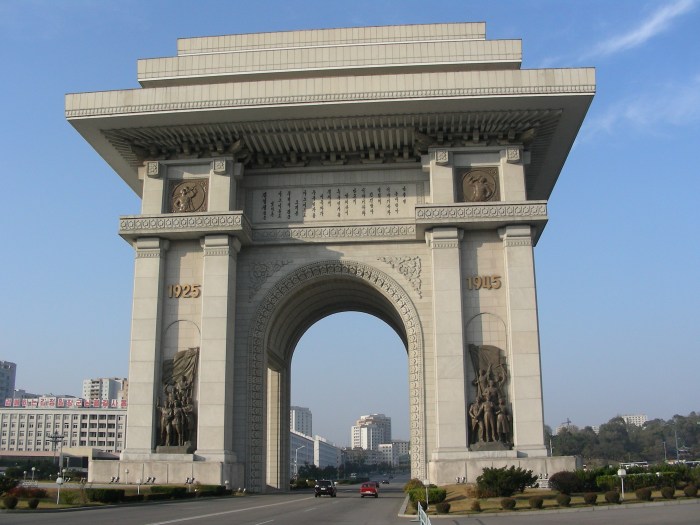
A decade ago, Christian Solidarity Worldwide (CSW) published one of the first comprehensive reports on North Korea’s human rights disaster, with the conclusion that it amounts to crimes against humanity.

North Korea: A Case to Answer, A Call to Act was also one of the first reports to call on the United Nations to establish a Commission of Inquiry to investigate. Initially, we were almost alone in making this call – a voice crying in the wilderness, dismissed by some for pursuing an action that, it was predicted, would never happen. We were banging our heads against a brick wall, some said. We took the view that if enough of us bang our heads for long enough, we might dislodge some bricks.

Four years later, other human rights organisations were making the same call, and we founded the International Coalition to Stop Crimes Against Humanity in North Korea, together with over forty other organisations from around the world, to campaign for a UN inquiry. In early 2013 the UN High Commissioner for Human Rights added her support to this call, and a few months later the UN Human Rights Council established an inquiry. What some said could never be done was happening.

Continue reading “North Korea A Decade On: The Regime has not changed, but the people have.”

FoRB in China: The UK needs to speak out


Prime Minister Theresa May’s first official visit to China, which begins today, is billed as an opportunity to boost trade with an important ally. But it will also take place against the backdrop of the country’s violations of fundamental human rights, including freedom of religion or belief.

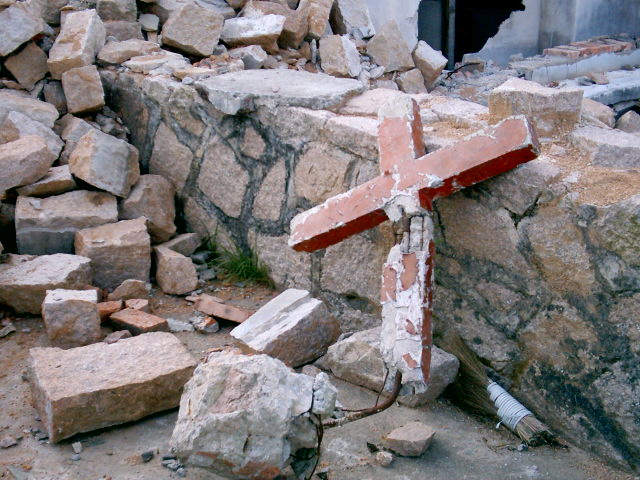
In the last month, Christians have been detained, and unregistered churches shut down or destroyed ahead of the implementation of revised Regulations on Religious Affairs, which strengthen state control over religious activities in China.

Unregistered churches, sometimes called house churches, are independent churches which have not registered with the state-sanctioned Three Self Patriotic Movement. The new regulations are due to come into force tomorrow, giving Mrs May a rare opportunity to speak directly to the Chinese government and publicly to reiterate the UK’s commitment to defending human rights.

Continue reading “FoRB in China: The UK needs to speak out”

The Freedom of Religion Law in Jharkhand, India: A recycled law that’s repressive on all counts

Religious conversion was criminalised in India’s Jharkhand State on 11 September with the introduction of the so-called ‘Freedom of Religion’ law, making Jharkhand the seventh State to introduce such legislations after Odhisa (1967), Madhya Pradesh (1968), Chhattisgarh (1968), Arunachal Pradesh (1978), Gujarat (2003) and Himachal Pradesh (2006).

Section 3 of the Jharkhand Freedom of Religion Act 2017 declares “no person shall convert or attempt to convert, either directly or otherwise, any person from one religion/ religious faith to another by the use of force or by allurement or by any fraudulent means, nor shall any person abet any such conversion.” The punishment includes a prison term of up to three years and/or a fine up to fifty thousand rupees (equivalent to about £580).

Continue reading “The Freedom of Religion Law in Jharkhand, India: A recycled law that’s repressive on all counts”

Why Faith Actors are Essential to Promoting Religious Tolerance: a Guest Blog from Lord Ahmad of Wimbledon

The international community marks Human Rights Day on 10 December, the day on which the Universal Declaration of Human Rights (UDHR) was adopted in 1948.

I have decided to use this occasion to shine a spotlight on Article 18 of the UDHR, which enshrines the right to Freedom of Religion or Belief. In doing so, I am delighted to join forces with Christian Solidarity Worldwide, which does excellent work to promote Freedom of Religion of Belief around the world.

Some have suggested that Freedom of Religion of Belief is a relatively neglected human right – indeed it has been called “the orphaned right”.  Whether or not this has been true in the past, it is certainly not being neglected by the UK Government.

I cherish the right to freedom of religion or belief. I celebrate the fact that people of all faiths and none are free to follow their religion or belief in the UK.  But I do not forget for one moment that many millions of others are denied this universal human right. Denial of this freedom does deep and lasting damage to many of our fellow global citizens, striking at the very heart of their way of life and often putting them and their families in danger.

Continue reading “Why Faith Actors are Essential to Promoting Religious Tolerance: a Guest Blog from Lord Ahmad of Wimbledon”

Will Lifting Sanctions improve Human Rights in Sudan?

The recent decision by the United States (US) to lift two decades of sanctions on Sudan has been welcomed by some international actors, but received criticism from human rights organisations, campaigners and Sudanese opposition politicians.

The significance of this achievement for the government of Sudan cannot be understated.

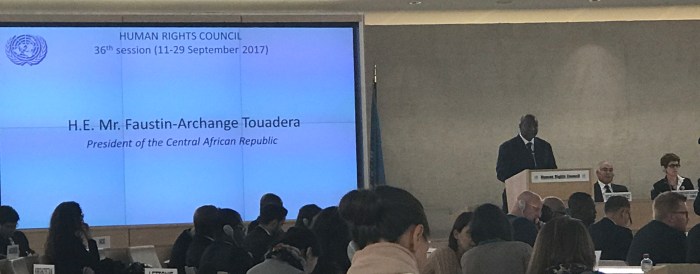
Sudan has invested heavily in efforts towards the lifting of sanctions, including bringing the African Union on board and supporting the appointment of the UN Special Rapporteur on the negative impact of the unilateral coercive measures on the enjoyment of human rights. The mandate holder is tasked with investigating the human rights impact of economic measures applied by one State to change policy of another State. After the creation of the role, the Special Rapporteur’s first visit was Sudan, where he advocated for the lifting of US sanctions.

Continue reading “Will Lifting Sanctions improve Human Rights in Sudan?”