India’s general election: the politics of religious conversion in pursuit of a Hindu Rashtra

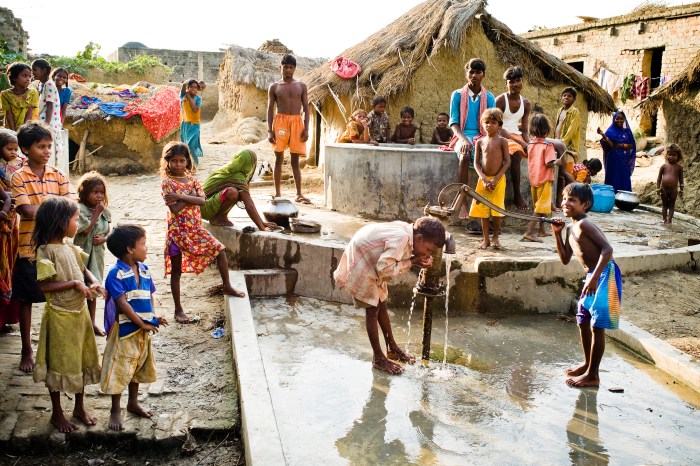
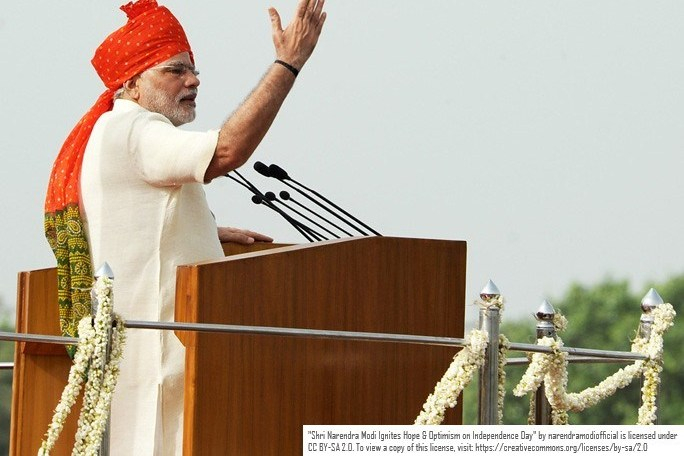
As India approaches the Lok Shaba (parliamentary) election this year, the right-wing Hindu organisation, Rashtriya Swayamsevek Sangh (RSS) and its affiliates (collectively known as the Sangh Parivar) are likely to take stock of their progress in realising their dreams of making India a Hindu Rashtra (Nation).

Constructed on M.S Golwakar’s ideology that since time immemorial, ‘mother India’ was formed of ‘one culture, one religion,’ the RSS pursues a narrative that the Hindu has fallen ‘victim’ to foreign religions, namely Islam and Christianity, and that the protection of the ‘faithful’ is imperative.

Continue reading “India’s general election: the politics of religious conversion in pursuit of a Hindu Rashtra”

‘Faithful disobedience’ in the face of a relentless crackdown: one year since China’s Revised Regulations on Religious Affairs.

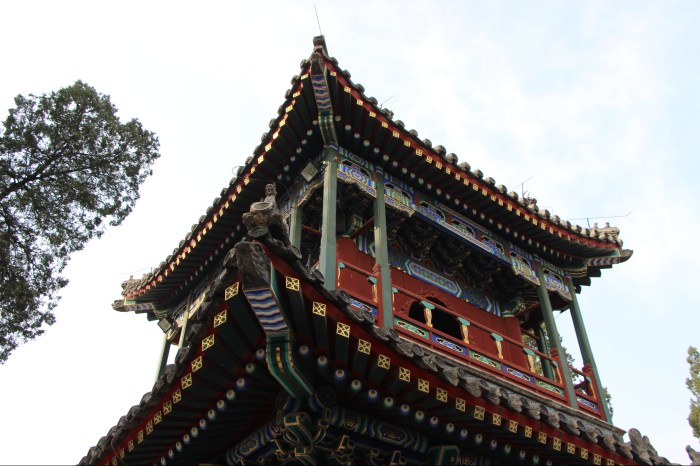
Over the past year, the Chinese government has intensified its crackdown on Christians and other religious groups across China.

The mass incarceration of over one million predominantly Muslim Uyghurs, Kazakhs and members of other ethnic groups in ‘re-education camps’ in Xinjiang since 2017 has alarmed the international community, with the detentions receiving UN condemnation. At the same time, Christians across China are also being relentlessly targeted by the Chinese state apparatus, with countless violations ranging from the arrest and torture of religious practitioners to the forced closure of places of worship remaining a daily reality for those peacefully exercising their universal right to freedom of religion or belief (FoRB).

Since the revised regulations on religious affairs came into effect on 1 February 2018, reports have emerged of the removal of over 7,000 crosses in Henan province alone. Christians in Henan have also reported that unregistered churches across the province have been forcibly shuttered by authorities. Outside of Henan, in the wake of the revised regulations authorities across China continue to harass worshippers and restrict religious observance at state-approved churches by removing religious symbols from buildings, banning under-18s from religious activities, and forcing churches to install cameras and sing pro-Communist songs.

Continue reading “‘Faithful disobedience’ in the face of a relentless crackdown: one year since China’s Revised Regulations on Religious Affairs.”

FoRB on the Frontlines: An atmosphere of self-censorship

In the run-up to Human Rights Day on 10 December and the 20th anniversary of the UN Declaration on Human Rights Defenders on 9 December, CSW has been speaking with HRDs across South Asia to find out what it means to be a FoRB defender in the region.

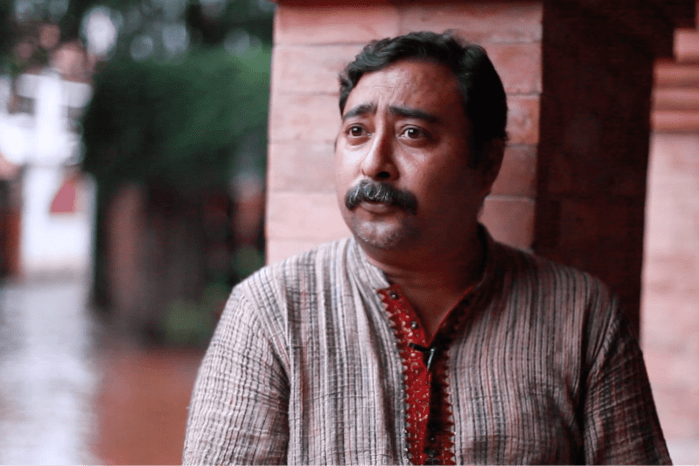
Julfikar is a human rights defender working in Bangladesh:

“When friends, well-wishers and colleagues frequently advise me to restrict my movement and leave my country for safety elsewhere, it becomes an indescribable mental pressure. I have been facing this reality for many years now, but it has intensified over the last one year as Bangladesh heads to the national election on December 30.

I have spent 28 years as a professional journalist. During this period, I have witnessed horrific political, religious violence, and brutal terror attacks in the name of Islam. I have investigated and covered many of those traumatic events and closely observed others. There are many more to investigate, but the situation is gradually becoming more difficult for people like me. 

In my career, I have exposed violations of human rights, religious persecution, atrocities, intimidation, war crimes of 1971 and criminal activities, abuse of law, corruption, hate campaign, propaganda and fake news on the social media with ill motives.

Continue reading “FoRB on the Frontlines: An atmosphere of self-censorship”

FoRB on the Frontlines: In the face of government opposition

 In the run-up to Human Rights Day on 10 December and the 20th anniversary of the UN Declaration on Human Rights Defenders on 9 December, CSW has been speaking with HRDs across South Asia to find out what it means to be a FoRB defender in the region.

Fatima Atif is a human rights defender working in Pakistan:

“Pakistan has a population of over 210 million people, with a wide range of ethnic, religious, sectarian and tribal identities. This diversity makes Pakistan a challenging place to live, particularly for those who are in minority and have limited say and access to decision and policy-making forums.

I have worked as a human rights defender in Pakistan for 15 years. I have regularly faced bullying and online harassment for my work, as well as for being a female Hazara activist. (Editor’s Note: The Hazara are a minority community in Pakistan who adhere to the Shi’a branch of Islam).

The security situation in the country is volatile and there are multiple rival armed opposition groups fuelling armed conflict in different regions of the country. In this tug of war, only innocent citizens have been brutally killed and victimized.

Continue reading “FoRB on the Frontlines: In the face of government opposition”

FoRB on the Frontlines: Fighting misconceptions on a daily basis

In the run-up to Human Rights Day on 10 December and the 20th anniversary of the UN Declaration on Human Rights Defenders on 9 December, CSW has been speaking with HRDs across South Asia to find out what it means to be a FoRB defender in the region.

John* is a human rights defender working in Nepal:

“It has been almost a decade since I was (first) involved in human rights advocacy. Initially, it was a learning phase as a member of an international movement, which later turned into social action.

Since then I have been supporting public advocacy for the full realisation of freedom of religion or belief (FoRB) for all in Nepal, especially in the current context as we welcome a new constitution and political environment.

Aside from this I have been raising areas of concern regarding conflicts of interest in non-governmental sectors. A fully functioning and empowered civil society is vital for Nepal to achieve its transitional aims, and I view this as an important part of my work, especially when trying to encourage and defend the right for all to practice their religion or belief, regardless of racial class or social background.

Continue reading “FoRB on the Frontlines: Fighting misconceptions on a daily basis”