A Fork in the Road: What lies ahead for religious minorities in Sri Lanka, India and South Asia?

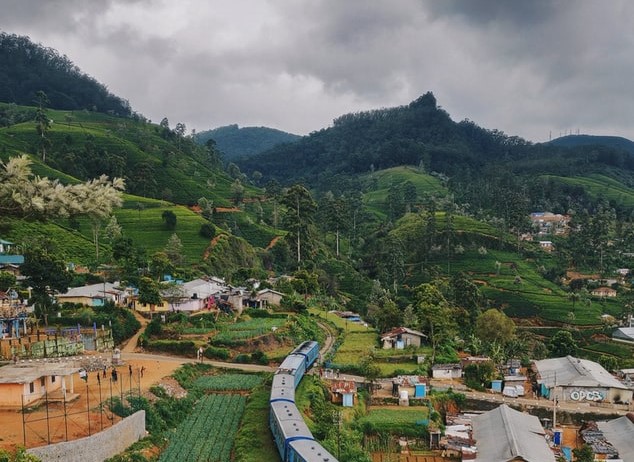
Sri Lanka and India are facing pivotal moments, both for their future, and the future of South Asia as a whole. Both countries’ drives towards religious hegemony have left little place for Christians and Muslims, a factor which will certainly lead to more instability and intolerance in the region.

Sri Lanka: Buddhist nationalists vindicated

Sri Lanka was the site of the 2019 Easter Sunday bombings, in which over 250 people were killed when terrorists targeted a number of churches and hotels across the country. In the aftermath of the bombings, there were reports of violent attacks against Muslims and an increase in anti-Muslim prejudice. Some reprisals against the Muslim population have been carried out by Christians, in contrast to the previous relative harmony between the two communities as they both battled intolerance from sections of the Sinhalese Buddhist population.

Furthermore, Buddhist nationalist groups such as the Bodu Bala Sena (BBS), who have been portraying Islam as a threat to both Buddhism and Sri Lanka for years, consider their stance vindicated by the bombings.

Continue reading “A Fork in the Road: What lies ahead for religious minorities in Sri Lanka, India and South Asia?”

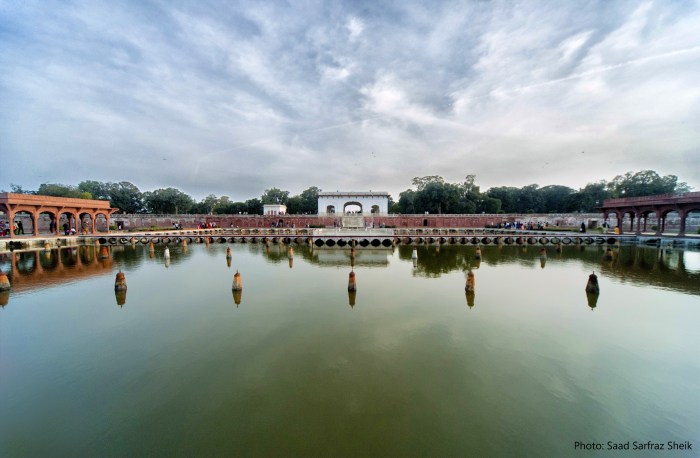
Long read: The forgotten faces and hidden history of Pakistan’s blasphemy laws

The criminalisation of blasphemy has become synonymous with Pakistan.

No case highlights the fervour and frustration associated with blasphemy more than that of Asia Noreen (better known as Asia Bibi), the Pakistani Christian woman who was falsely accused of blasphemy and sentenced to death in 2010.

Throughout Bibi’s protracted legal case, the worst instincts of certain sections of Pakistani society were brought to the fore and played out in national and international media as Islamist groups staged violent demonstrations calling for her execution on multiple occasions, even after her conviction was overturned by the Supreme Court in 2018. Following a nine-year ordeal, Asia Bibi and her family were eventually taken to Canada to start a new life, but for many other victims their fate is less hopeful, and they are left languishing under long jail sentences, prolonged when cases are adjourned without  hearing.

Continue reading “Long read: The forgotten faces and hidden history of Pakistan’s blasphemy laws”

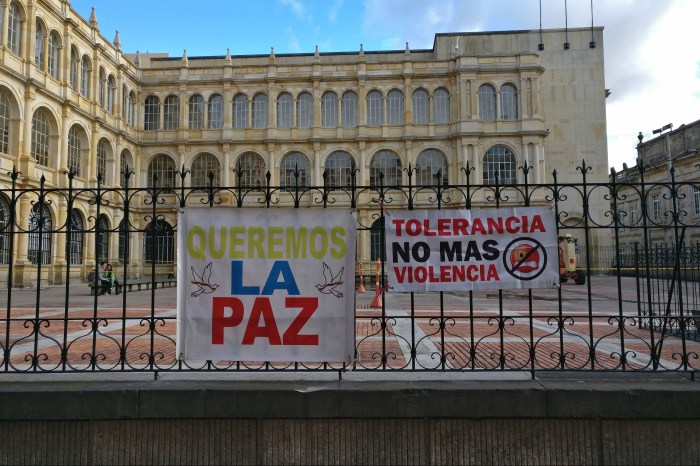
The cost of backtracking: delays in Colombia’s peace process risk a return to violence

In November 2016 a revised peace agreement was signed between the government of Colombia and the Revolutionary Armed Forces of Colombia–Army of the People (FARC-EP). The deal was considered a big win by many, bringing an end to a conflict which spanned over five decades and claimed hundreds of thousands of lives.

This celebration has been considered both “justified and premature.” In the following years parts of Colombia have enjoyed a somewhat fragile peace, but recent developments have raised concerns that this peace could shatter altogether.

Government foot-dragging

Particularly concerning is the current government’s approach to the 2016 agreement. Since his election in June 2018, the President Iván Duque Márquez-led administration has consistently slowed down the process of implementation.

Continue reading “The cost of backtracking: delays in Colombia’s peace process risk a return to violence”

The promise of an inclusive India?

As Narendra Modi’s Bharatiya Janata Party (BJP) starts its second innings in government after one of the most bitter, vicious and polarising election campaigns India has witnessed, he has been speaking of an aspirational and inclusive India.

The BJP-led coalition National Democratic Alliance (NDA) secured 350 seats of the 542 seats in the Lok Shaba (parliamentary) elections, with their majority growing from 25% in 2009 to 45% in 2019. Given the BJP’s Hindu nationalist agenda, this success gives rise to concerns that BJP-controlled areas may be subject to increased FoRB violations.

With exceptions in the south, for example in Andhra Pradesh, Kerala, Tamil Nadu and the Union Territory of Puducherry, the BJP made fresh progress in West Bengal and Odhisa, and continued to tighten its grip on existing stronghold states like Madhya Pradesh, Rajasthan, Gujarat, Haryana, Uttar Pradesh and Chhattisgarh.  Despite the Southern states remaining largely free from the BJP, FoRB monitoring in the South will need to be stepped up, particularly with the party’s win in West Bengal and Odhisa, states that have recorded a rise in FoRB violations.  

Continue reading “The promise of an inclusive India?”

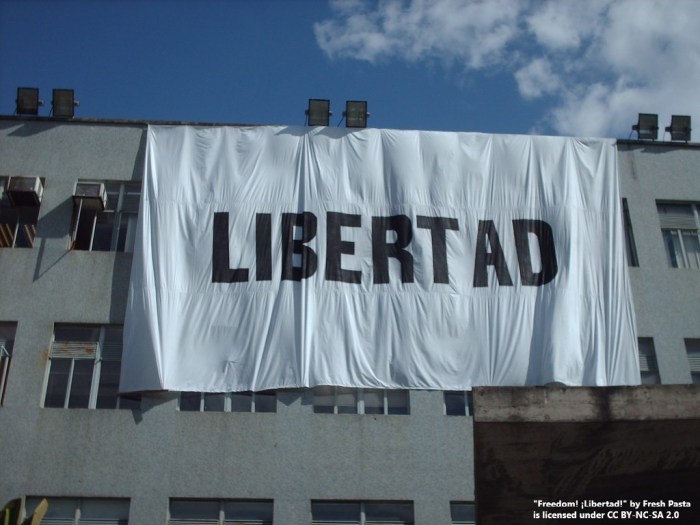
Central African Republic: is justice being sacrificed for the illusion of peace?

On 21 May, over 26 people were killed and dozens injured when an armed group attacked two villages in the north west of the Central African Republic (CAR). The attacks were reported by the UN peacekeeping mission in CAR, MINUSCA, which confirmed that twelve people were killed in Koundjili village and 14 in Djoumjoum village. 

Whilst reports of violent and devastating attacks on civilians in CAR are not new, these attacks represent a new challenge for the recently re-constituted government following the latest peace agreement between the government and armed groups.

The alleged perpetrator of the attacks on the two villages is the rebel group known as 3R (Return, Reclamation and Reconciliation). The group was formerly part of the Seleka alliance that took over the country following a coup in March 2013.  The alliance was subsequently disbanded, but armed groups fragmented and seized territories outside of the capital, Bangui.

Continue reading “Central African Republic: is justice being sacrificed for the illusion of peace?”