Burma’s much needed ceasefire presents a valuable opportunity, provided the military keeps its promises

By Benedict Rogers

Burma’s Cardinal Bo has repeatedly called for peace for a long time. In a statement last month in support of Pope Francis’ plea for a global ceasefire, he warned that during the COVID-19 pandemic continued armed conflict in Burma (officially known as Myanmar) would have “catastrophic consequences for our nation.”

He urged the military – known as the Tatmadaw – and ethnic armed resistance groups to “lay down all weapons and acts of aggression. Be armed instead with sincerity and truth. Let us take the more difficult path of overcoming differences face to face with courage and intelligence. Don’t hide humanity behind guns. In the end that is sheer weakness.”

The Cardinal, who is also President of the Federation of Asian Bishops Conferences, argued that: “Soldiers are unnecessarily endangered by exposure to the unseen viral assassin. Civilians are endangered, even by bombardments purportedly aimed at military targets. Peace negotiations are endangered by continued aggressive threats. An economy under severe strain is put at risk by military adventures. Any spike in contagion in IDP camps, among detained persons, or in crowded spaces, gravely threatens the surrounding populations as well.”

Continue reading “Burma’s much needed ceasefire presents a valuable opportunity, provided the military keeps its promises”
Following Biblical mandates carries a high price for religious leaders in Mexico

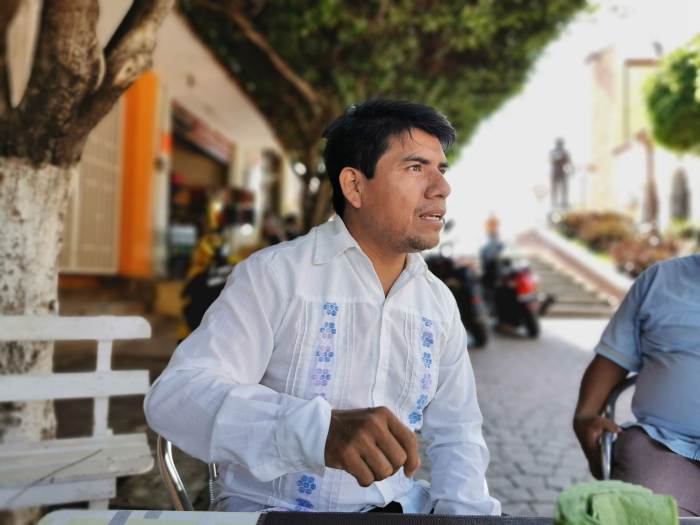
A religious leader and his colleague are kidnapped from a migrant shelter; they have not been seen or heard from since. Another is assaulted, extorted and threatened at gunpoint. Both provided protection to migrants and asylum seekers trapped on the border. In the same country, religious leaders warn that threats and attacks against them constitute one of the most serious problems facing churches today. Ironically, all this is taking place in what is considered to be one of the most religious countries in the world, Mexico.

The worsening situation for migrants and asylum seekers passing through Mexico has been exacerbated by the implementation of the US’ Migrant Protection Program (MPP) also known as ‘Remain in Mexico’ at the start of 2019.[1] The policy has made it increasingly difficult for migrants to win asylum cases in the US, only 0.1% of cases have been successful, and many have sought refuge in church-run migrant shelters across Mexico while they wait, especially at the northern border. On 28 February 2020, a US federal appeals court ruled that that the Remain in Mexico policy was illegal.

While many Protestant and Catholic leaders have responded to the rising levels of need in an outworking of their faith by following commands to help the poor,[2] shelter the homeless,[3] and love the foreigner,[4] their work makes them increasingly exposed to threats and attacks from organised criminal groups who prey on the vulnerable migrant population.

Continue reading “Following Biblical mandates carries a high price for religious leaders in Mexico”

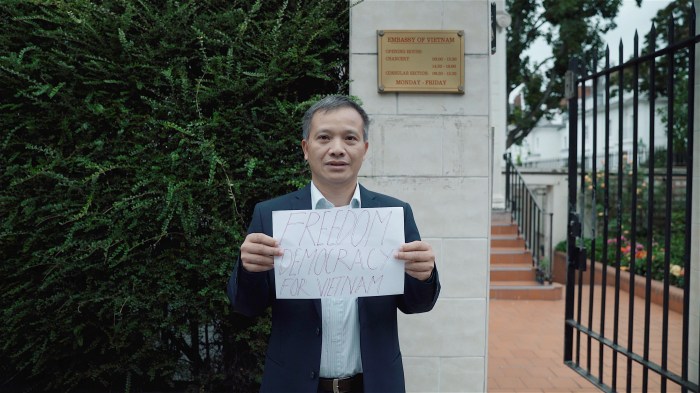
VIDEO: FoRB on the Frontlines in Vietnam, an interview with Nguyen Van Dai

Nguyen Van Dai is a Vietnamese human rights lawyer who has provided legal advice and representation to victims of human rights abuses, including victims of violations of freedom of religion or belief (FoRB), across Vietnam. His work has led to him being repeatedly harassed and attacked by individuals working for the authorities.

Dai spent four years in prison from May 2007 to March 2011, followed by a further four years under house arrest. In December 2015, just months after Dai had completed his house arrest sentence, he and his colleague were taken into police custody once again as he was preparing to meet European Union representatives who were in Hanoi for the annual EU-Vietnam human rights dialogue.

Dai subsequently spent a further two and a half years in prison before being released to exile Germany in June 2018. Last year he visited the UK and told CSW his story in his own words. Watch the video below:

Continue reading “VIDEO: FoRB on the Frontlines in Vietnam, an interview with Nguyen Van Dai”

En la línea del fuego frente a la LdRC: “El odio de toda la gente estaba presente.”

En algunos países latinoamericanos, líderes religiosos frecuentemente desempeñan papeles como líderes comunitarios y defensores de los derechos humanos. Como resultado, estos líderes se enfrentan al acoso, la intimidación e incluso la violencia en las manos de actores estatales y no estatales. Durante las últimas semanas CSW ha presentado entrevistas con líderes religiosos quienes trabajan en la región para destacar sus experiencias en la primera línea frente a la libertad de religión o creencia (LdRC).

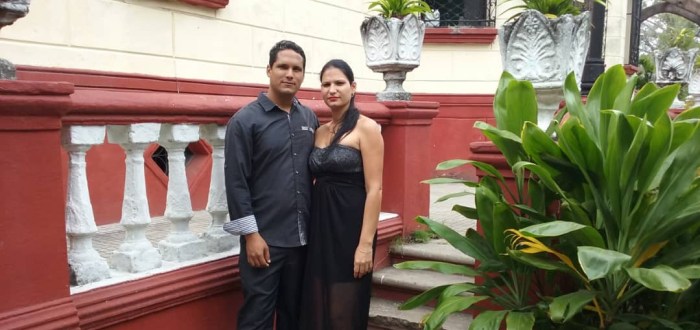
Yilber es un pastor protestante trabajando en Cuba.

“He conocido tantas amenazas en mi vida cristiana, que sinceramente es imposible enumerarlas. Es algo que quiero ilustrar y para ello no me apoyaré en generalidad alguna o ejemplos abstractos o subjetivos, sino que presentaré las marcas que arrastra mi familia desde que salimos de nuestro pueblo a desempeñar funciones pastorales.

LEE mÁS

En la línea de fuego frente a la LdRC: “Si puedo matar a un cura entonces puedo matar a cualquiera”

En algunos países latinoamericanos, líderes religiosos frecuentemente desempeñan papeles como líderes comunitarios y defensores de los derechos humanos. Como resultado, estos líderes se enfrentan al acoso, la intimidación e incluso la violencia en las manos de actores estatales y no estatales. Durante las próximas semanas CSW presentará entrevistas con líderes religiosos quienes trabajan en la región para destacar sus experiencias en la línea de fuego frente a la libertad de religión o creencia (LdRC).

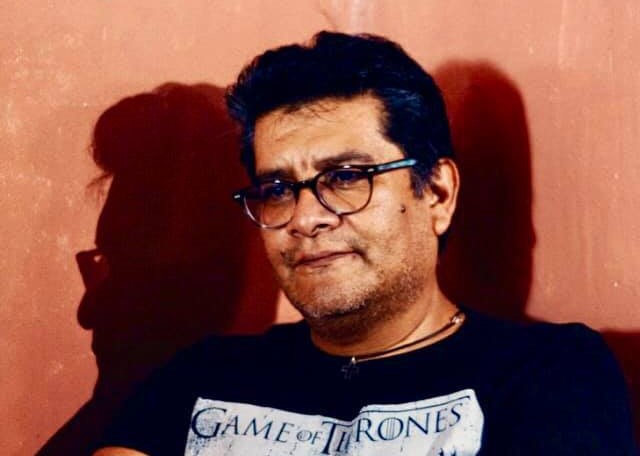
El Padre Omar Sotelo Aguilar trabaja con el Centro Católico Multimedial (CCM) en México documentando ataques contra sacerdotes.

“En los últimos años México ha sido peligroso para periodistas, sacerdotes y otros líderes religiosos. Yo soy sacerdote católico y periodista desde hace ya 25 años, así que me enfrento a un doble riesgo. Pero independientemente de ello estamos expuestos como cualquier persona.

Decidí enfocarme en mi trabajo por el ángulo periodístico, además de ser un tema que era poco visible pero muy real y crudo. El buen periodismo, como la buena incidencia política, está basado en hechos, números y documentación.

LEE MÁS