All posts

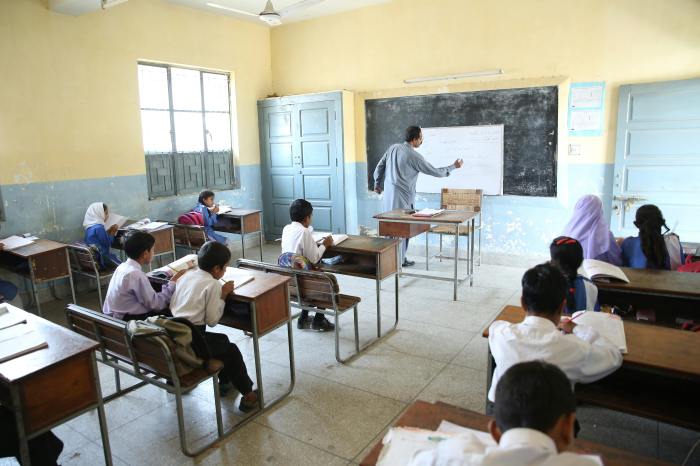
How the education system perpetuates religious intolerance in Pakistan, and how it could be a route to change 

‘No one is born hating another person because of the colour of his skin, or his background, or his religion. People must learn to hate.’ 

These oft-quoted words of Nelson Mandela have proven all too true in far too many contexts throughout human history, as indeed they do in a very literal sense in Pakistan today. 

While hatred can be ‘learned’ in many ways – from one’s family, or cultural background, or even from negative experiences with the object of said hatred – in Pakistan the teaching of hatred, specifically religious intolerance, is embedded in various forms into the very fibre of the country’s education system. 

Continue reading “How the education system perpetuates religious intolerance in Pakistan, and how it could be a route to change “

How to tune into freedom of religion or belief during party conference season – and have your say 

The UK is currently in the middle of party conference season, when all the political parties gather to discuss policy ideas and their respective visions for the country.  

The Green Party, Liberal Democrats and Reform have already held theirs. Labour and Conservative conferences remain. 

For those of us committed to defending human rights, and freedom of religion or belief (FoRB) in particular, this season is about more than party gatherings and internal discussions. It is an opportunity to observe how political leaders are shaping policy at home and abroad in real time – and to engage, challenge, and push for FoRB to be central in those debates. 

Continue reading “How to tune into freedom of religion or belief during party conference season – and have your say “

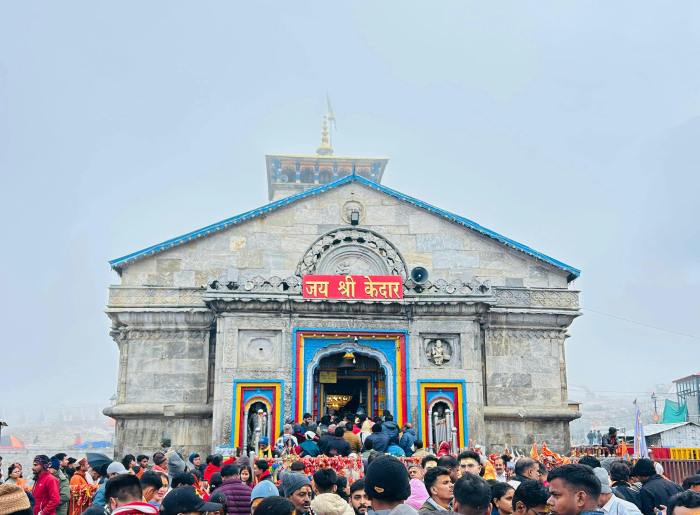
India’s ‘freedom of religion’ laws have nothing to do with preventing forced conversions

On 20 August India’s Uttarakhand state government introduced significant amendments to its controversial anti-conversion law. Building on the original 2018 legislation and an initial round of amendments made in 2022, the Freedom of Religion and Prohibition of Unlawful Conversion (Amendment) Bill, 2025, imposes harsher punishments on a range of offences.

Individuals convicted of using allurement, misrepresentation or fraud to induce conversion now face anywhere from three to ten years in prison and a minimum fine of 50,000 rupees (approximately GBP £420). If the case involves a minor, a woman, a person with a disability, or a member of a Scheduled Caste or Scheduled Tribe, these penalties are increased to five to 14 years in prison and a fine of at least 100,000 rupees (GBP £840).

‘Mass conversions’ and those involving foreign funding are punishable with seven to 14 years imprisonment and a minimum fine of 100,000 rupees, while punishments for cases involving threats, assault, human trafficking, or marriage as a pretext for conversion can extend to 20 years or life imprisonment, along with fines covering the victim’s medical and rehabilitation costs.

Continue reading “India’s ‘freedom of religion’ laws have nothing to do with preventing forced conversions”

Bridging the gap: The importance of finding common ground between religious groups and secular human rights organisations 

Oppressive governments depend, in part, on two things: unity among those who support them and divisions within the communities that do not. One of the greatest challenges in addressing freedom of religion or belief (FoRB) in countries where that right is regularly violated is bridging divisions between different groups within the religious sector, as well as the gap that often exists between the religious sector and secular human rights and other independent civil society organisations. 

Religious groups often occupy a unique position within larger independent civil society. They are networked and organised, to different extents, with members who regularly attend and participate in their activities. They often possess a dedicated physical space, where they are able to hold their activities with minimal outside interference. Some religious groups will run outward focused activities, providing social services. In many cases, religious leaders not only hold a significant decree of influence within their respective community – they may also be perceived as moral adjudicators more widely even by people who do not share their religious beliefs.  

Oppressive regimes are sensitive to the danger posed to them by a socially engaged religious sector and outspoken religious leaders who are willing to work hand in hand with larger civil society in defending civil and political rights. Division, therefore, is deliberately encouraged and stoked, often by intelligence and security agencies, with the goal of neutralising or coopting organised independent civil society, including the religious sector.  

Continue reading “Bridging the gap: The importance of finding common ground between religious groups and secular human rights organisations “

Superando la brecha: La importancia de encontrar puntos en común entre los grupos religiosos y las organizaciones seculares de derechos humanos

Los gobiernos opresivos dependen, en parte, de dos factores: la unidad entre quienes los apoyan y las divisiones dentro de las comunidades que no las apoyan. Uno de los mayores desafíos para abordar la libertad de religión o creencias (LdRC) en países donde este derecho se viola con frecuencia, es superar las divisiones entre los diferentes grupos dentro del sector religioso, así como la brecha que a menudo existe entre el sector religioso y las organizaciones seculares de derechos humanos y otras organizaciones independientes de la sociedad civil. 

En general, los grupos religiosos suelen ocupar una posición única dentro de la sociedad civil independiente. Están interconectados y organizados, en distintos grados, con miembros que asisten y participan regularmente en sus actividades. Suelen contar con un espacio físico, donde pueden realizar sus actividades con mínima interferencia externa. Algunos grupos religiosos realizan actividades orientadas al exterior, prestando servicios sociales. En muchos casos, los líderes religiosos no solo ejercen una importante influencia dentro de su respectiva comunidad, sino que también pueden ser percibidos como jueces morales de forma más amplia, incluso por personas que no comparten sus creencias religiosas. 

Los regímenes opresores reconocen el peligro que representa el sector religioso comprometido socialmente y el de aquellos líderes religiosos que se oponen abiertamente al sistema, y que están dispuestos a colaborar estrechamente con la sociedad civil, para generar la defensa de los derechos civiles y políticos. Por lo tanto, las agencias de inteligencia y de seguridad del régimen, fomentan y avivan deliberadamente la división interna de los grupos religiosos, con el objetivo de neutralizar o cooptar a la sociedad civil independiente organizada. 

Continue reading “Superando la brecha: La importancia de encontrar puntos en común entre los grupos religiosos y las organizaciones seculares de derechos humanos”