Criminalised, killed and cursed: The plight of Pakistan’s Ahmadiyya community

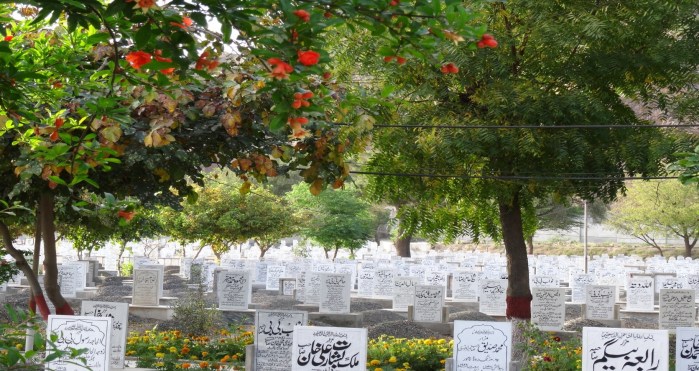
On 11 February, Abdul Qadir, a 65-year-old Ahmadi homeopathic doctor, was shot dead outside his homeopathic clinic in the Bazikhel area of Peshawar in north-western Pakistan. His killing marked the latest in a concerning uptick in religiously motivated attacks on Ahmadis, particularly in Peshawar.

Last year, CSW documented at least five other instances in which Ahmadis were killed, including an incident in which 31-year-old doctor, Tahir Mahmood, was murdered in front of his family at his home in Murch Balochan in Nankana Sahib District, Punjab.

The fact that Pakistan’s Ahmadiyya community has a long history of experiencing harassment, discrimination, violence and other human rights violations within Pakistani society leaves little doubt that these murders are religiously motivated. A pattern is also clearly emerging whereby prominent doctors and academics have been specifically singled-out by extremists.
Continue reading “Criminalised, killed and cursed: The plight of Pakistan’s Ahmadiyya community”

Une tragédie en cours : Le déclin de la diversité religieuse au Moyen-Orient

Billet de Blog par Lord Alton of Liverpool

La région du Moyen-Orient et de l’Afrique du Nord (MOAN) connait un déclin significatif de la diversité religieuse depuis ces dernières années. Si les anciennes communautés chrétiennes ont régulièrement souffert par le passé, aucun groupe religieux n’est cependant épargné par la tragédie actuelle ; les ahmadis, les bahaïs, les juifs, les yazidis et les zoroastriens ont tous été touchés, ainsi que les musulmans chiites et sunnites. Pour de multiples raisons, dans plusieurs pays de la région, des communautés minoritaires ayant des racines profondes remontant à plusieurs générations sont contraintes de quitter leurs terres ancestrales.

Irak et Syrie: Un cycle de violences sans fin

Depuis 2003, le nombre de chrétiens et de yazidis en Irak a considérablement diminué. Des milliers d’entre eux ont été tués et des centaines de milliers ont émigré à cause du terrorisme et de la violence sectaire. Ils ne reviendront jamais.

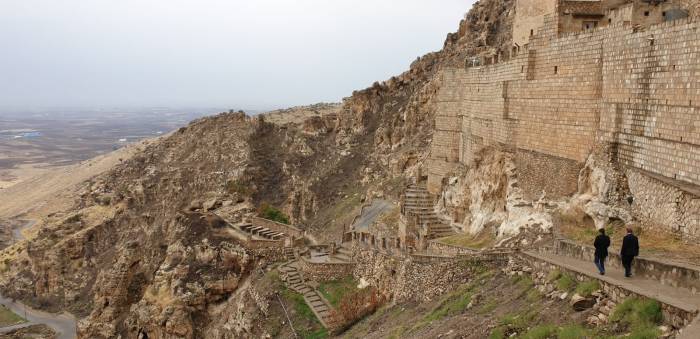
En 2014, l’État islamique (EI) a conquis Mossoul et les plaines de Ninive. Des milliers d’hommes, de femmes et d’enfants non sunnites ont été tués ou réduits en esclavage. Une étude, réalisée par la Public Library of Science, estime que 3 100 yazidis ont été tués en quelques jours après l’attaque de 2014. Au cours des années suivantes, des dizaines de milliers de chrétiens irakiens ont émigré vers les pays voisins ; le nombre des chrétiens restant en Irak est aujourd’hui estimé à 250 000 contre 2,5 millions avant l’invasion de 2003.

Continue reading “Une tragédie en cours : Le déclin de la diversité religieuse au Moyen-Orient”

An unfolding tragedy: The decline of religious diversity in the Middle East

By Lord Alton of Liverpool

The Middle East and North Africa (MENA) region has seen a significant decline in religious diversity in recent years. While ancient Christian communities have often suffered, practically no religious group has been safe from this ongoing tragedy, with Ahmadis, Baha’is, Jews, Yazidis and Zoroastrians all affected, as well as both Shia and Sunni Muslims. For a host of reasons, in several countries in the region, minority communities who have deep roots going back several generations are being forced to leave their ancestral lands.

Iraq and Syria: Unending violence

Since 2003, the numbers of Christians and Yazidis in Iraq have both dropped significantly. Thousands have been killed and hundreds of thousands have emigrated because of terrorism and sectarian violence. They will never return.

In 2014, the Islamic State (IS) captured Mosul and the Nineveh Plains. Thousands of non-Sunni men, women and children were either killed or enslaved. One study, by the Public Library of Science, estimates that 3,100 Yazidis were killed in a matter of days following the 2014 attack. Tens of thousands of Iraqi Christians subsequently emigrated to neighbouring countries over the following years, with their number now estimated at 250,000, down from 2.5 million before the 2003 invasion.

Continue reading “An unfolding tragedy: The decline of religious diversity in the Middle East”

Seguir los mandatos bíblicos acarrea un alto precio para los líderes religiosos en México

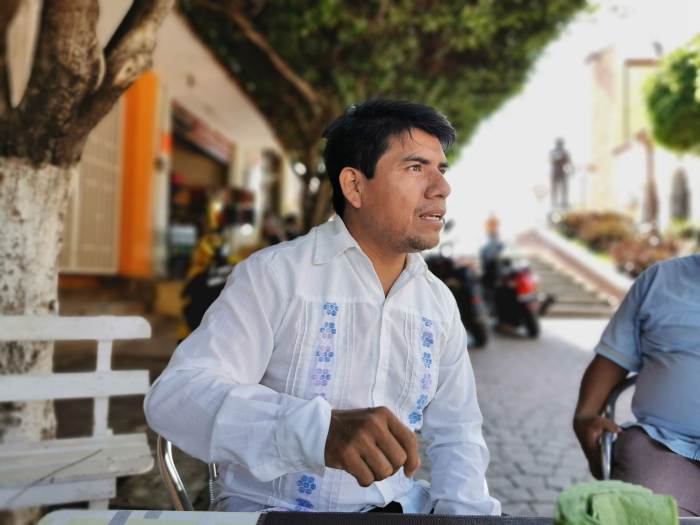
Un líder religioso y su colega son secuestrados de un refugio para inmigrantes; no se los ha vuelto a ver ni se ha sabido de ellos desde entonces. Otro es agredido, extorsionado y amenazado a punta de pistola. Ambos brindaron protección a inmigrantes y solicitantes de asilo que se encontraban atrapados en la frontera. En el mismo país, los líderes religiosos advierten que las amenazas y los ataques contra ellos constituyen uno de los problemas más graves que enfrentan las iglesias en la actualidad. Irónicamente, todo esto está ocurriendo en lo que se considera uno de los países más religiosos del mundo, México.

El deterioro de la situación para los inmigrantes y solicitantes de asilo que pasan por México se ha visto exacerbado por la implementación del Protocolo de Protección al Migrante (MPP) de los Estados Unidos, también conocido como “Permanecer en México” a principios de 2019. [1] La política ha dificultado cada vez más que los inmigrantes ganen casos de asilo en los EE.UU., sólo el 0.1% de los casos han tenido éxito y muchos han buscado asilo en refugios para inmigrantes administrados por la iglesia en todo México mientras esperan, especialmente en la frontera norte. El 28 de febrero de 2020, un tribunal de apelaciones federal de EE.UU. dictaminó que la política de “Permanecer en México” era ilegal.

Si bien muchos líderes protestantes y católicos han respondido a los crecientes niveles de necesidad en una manifestación de su fe siguiendo los mandatos de ayudar a los pobres, [2] albergar a los desamparados [3] y amar al extranjero [4], su trabajo los deja cada vez más expuestos a amenazas y ataques de grupos delictivos organizados que se aprovechan de la población migrante vulnerable.

Continue reading “Seguir los mandatos bíblicos acarrea un alto precio para los líderes religiosos en México”

Killed on a daily basis: International inaction on Nigeria’s security crisis cannot continue

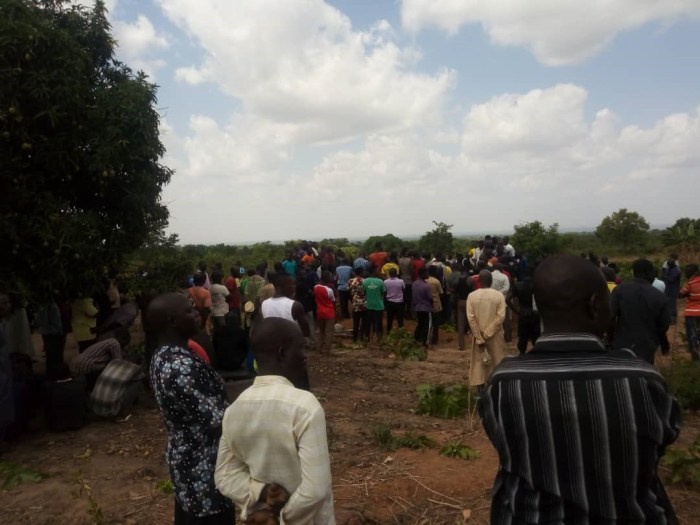
On 3 June the predominantly Christian Tudun Agwalla community in Kajuru Local Government Area (LGA), Kaduna State, Nigeria, buried nine of its members in a mass grave. They had been murdered by machete wielding assailants of Fulani ethnicity, who had attacked the village in the early hours of the morning. An unknown number of people were also injured during the attack. Seven remain missing.

The tragedy continued the next day when three-year-old Elizabeth Samaila became the tenth victim of the attack after she died from her injuries.

This is by no means an isolated event. Since the start of the year, predominantly Christian communities in southern Kaduna have been violently attacked in this manner on an almost daily basis. Hundreds have lost their lives, hundreds more have been injured, and an estimated 20,000 people have been displaced.

Continue reading “Killed on a daily basis: International inaction on Nigeria’s security crisis cannot continue”