En la línea de fuego frente a la LdRC: “Si puedo matar a un cura entonces puedo matar a cualquiera”

En algunos países latinoamericanos, líderes religiosos frecuentemente desempeñan papeles como líderes comunitarios y defensores de los derechos humanos. Como resultado, estos líderes se enfrentan al acoso, la intimidación e incluso la violencia en las manos de actores estatales y no estatales. Durante las próximas semanas CSW presentará entrevistas con líderes religiosos quienes trabajan en la región para destacar sus experiencias en la línea de fuego frente a la libertad de religión o creencia (LdRC).

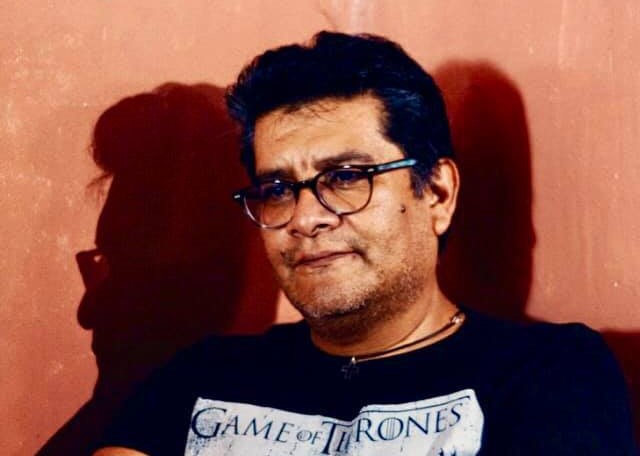
El Padre Omar Sotelo Aguilar trabaja con el Centro Católico Multimedial (CCM) en México documentando ataques contra sacerdotes.

“En los últimos años México ha sido peligroso para periodistas, sacerdotes y otros líderes religiosos. Yo soy sacerdote católico y periodista desde hace ya 25 años, así que me enfrento a un doble riesgo. Pero independientemente de ello estamos expuestos como cualquier persona.

Decidí enfocarme en mi trabajo por el ángulo periodístico, además de ser un tema que era poco visible pero muy real y crudo. El buen periodismo, como la buena incidencia política, está basado en hechos, números y documentación.

LEE MÁS
FoRB on the Frontlines: “A rival to the government”

In several Latin American countries, religious leaders often take on the roles of community leader and human rights defender. As a result, these leaders often face harassment, intimidation and even violence at the hands of state and non-state actors. Over the next few weeks CSW will be presenting interviews with religious leaders working in the region to highlight their experiences on the frontlines of freedom of religion or belief.

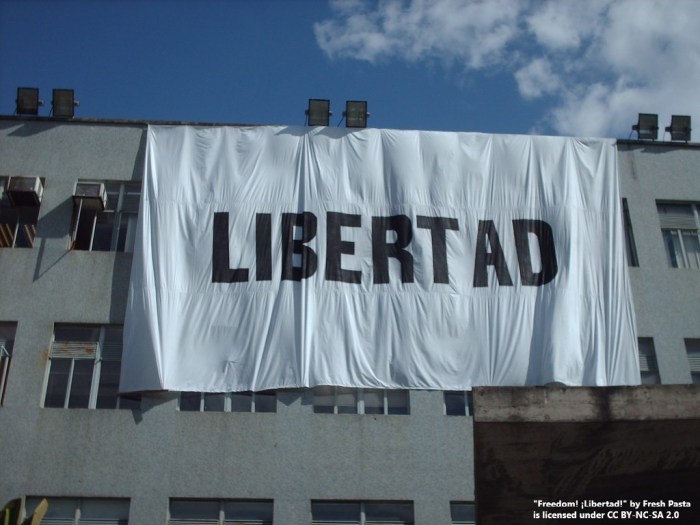
David* is a religious leader working in Venezuela. In his role, he has provided pastoral accompaniment to victims of human rights violations.

“To do social work in Venezuela – distributing food and other things, the work that I do – you have to be very discreet, you have to be very careful, and even then it’s impossible not to put yourself at risk.

In theory we have freedom of religion in Venezuela, but some priests and religious leaders are a target for the government, which is a kind of confederation of forces that aims to stay in power by trying to maintain social control over the people.

Continue reading “FoRB on the Frontlines: “A rival to the government””

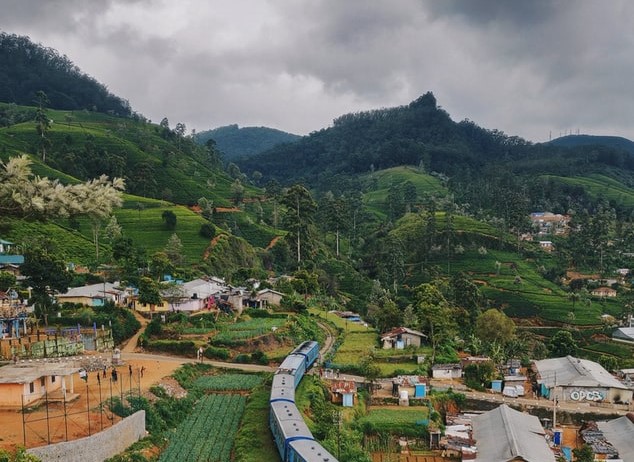
A Fork in the Road: What lies ahead for religious minorities in Sri Lanka, India and South Asia?

Sri Lanka and India are facing pivotal moments, both for their future, and the future of South Asia as a whole. Both countries’ drives towards religious hegemony have left little place for Christians and Muslims, a factor which will certainly lead to more instability and intolerance in the region.

Sri Lanka: Buddhist nationalists vindicated

Sri Lanka was the site of the 2019 Easter Sunday bombings, in which over 250 people were killed when terrorists targeted a number of churches and hotels across the country. In the aftermath of the bombings, there were reports of violent attacks against Muslims and an increase in anti-Muslim prejudice. Some reprisals against the Muslim population have been carried out by Christians, in contrast to the previous relative harmony between the two communities as they both battled intolerance from sections of the Sinhalese Buddhist population.

Furthermore, Buddhist nationalist groups such as the Bodu Bala Sena (BBS), who have been portraying Islam as a threat to both Buddhism and Sri Lanka for years, consider their stance vindicated by the bombings.

Continue reading “A Fork in the Road: What lies ahead for religious minorities in Sri Lanka, India and South Asia?”

Long read: The forgotten faces and hidden history of Pakistan’s blasphemy laws

The criminalisation of blasphemy has become synonymous with Pakistan.

No case highlights the fervour and frustration associated with blasphemy more than that of Asia Noreen (better known as Asia Bibi), the Pakistani Christian woman who was falsely accused of blasphemy and sentenced to death in 2010.

Throughout Bibi’s protracted legal case, the worst instincts of certain sections of Pakistani society were brought to the fore and played out in national and international media as Islamist groups staged violent demonstrations calling for her execution on multiple occasions, even after her conviction was overturned by the Supreme Court in 2018. Following a nine-year ordeal, Asia Bibi and her family were eventually taken to Canada to start a new life, but for many other victims their fate is less hopeful, and they are left languishing under long jail sentences, prolonged when cases are adjourned without  hearing.

Continue reading “Long read: The forgotten faces and hidden history of Pakistan’s blasphemy laws”

The cost of backtracking: delays in Colombia’s peace process risk a return to violence

In November 2016 a revised peace agreement was signed between the government of Colombia and the Revolutionary Armed Forces of Colombia–Army of the People (FARC-EP). The deal was considered a big win by many, bringing an end to a conflict which spanned over five decades and claimed hundreds of thousands of lives.

This celebration has been considered both “justified and premature.” In the following years parts of Colombia have enjoyed a somewhat fragile peace, but recent developments have raised concerns that this peace could shatter altogether.

Government foot-dragging

Particularly concerning is the current government’s approach to the 2016 agreement. Since his election in June 2018, the President Iván Duque Márquez-led administration has consistently slowed down the process of implementation.

Continue reading “The cost of backtracking: delays in Colombia’s peace process risk a return to violence”