India: Striving for Hindu rashtra at the expense of democracy

Recognise that restrictions on public freedoms, extreme inequalities and the mainstreaming of hate around the world are “shearing off the protections that maintain respect”, the High Commissioner for Human Rights, Zeid Ra’ad Al Hussein pleaded with Member States at the 32nd session of the Human Rights Council (HRC).

This sentiment is usually associated with states experiencing severe human rights violations, but the remark is equally relevant to states where human rights violations take place but appear less visible and fail to make news headlines.

The world’s largest democracy

The words ‘largest democracy’ are synonymous with India as a nation state with an electorate of 1.25 billion people and growing. The choice of the Bharatiya Janata Party (BJP) to lead the country may have come as a result of Modi’s election promises of a market orthodoxy for economic revival and open trade.

As such, any proposition that religious freedom in India is deteriorating is deflected by the ‘democracy’ rhetoric despite research showing that understanding freedom of religion or belief is good for business; it comes as no surprise that this defence is readily used by those who have trade and business interests in India, thus casting a cloak of invisibility about the violence against minorities based on religious grounds.

Continue reading “India: Striving for Hindu rashtra at the expense of democracy”

Burma: Stop the Block on Aid

No one should be denied food or medicine on account of their ethnicity or religion, but that is what is increasingly happening to some people in Burma. A humanitarian crisis is emerging because in some parts of the country, the authorities are blocking aid access. In other areas, international agencies are cutting aid. Blocks and cuts combined are resulting in displaced people who have fled conflict going hungry at night. That is why we have launched our new campaign: “Real Change”.

When we talk about refugees today, we think of Syria and Iraq. But Burma remains a country where significant numbers of people are fleeing conflict and persecution. Thousands escape to other countries, but others are internally displaced. Over 120,000 in Kachin and northern Shan states, and over 130,000 Rohingyas in Rakhine state.

Continue reading “Burma: Stop the Block on Aid”

North Korea and Human Rights: A State of Denial

“There is almost complete denial of the right to freedom of thought conscience and religion as well as the right to freedom of opinion, expression, information and association.” That was the conclusion reached by the United Nations commission of inquiry into human rights in North Korea over two years ago. Indeed, the UN inquiry went further, noting that the regime in North Korea “considers the spread of Christianity a particularly severe threat” and as a result, “Christians are prohibited from practising their religion and are persecuted”. Severe punishments are inflicted on “people caught practising Christianity”.

Loyalty to the Regime is expected

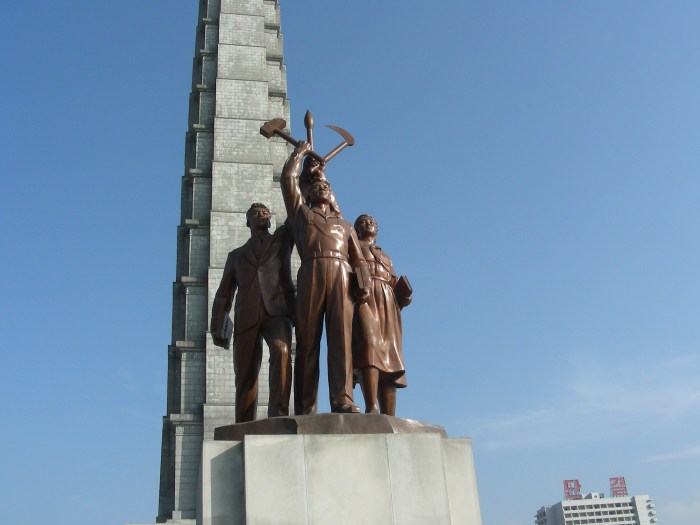
Our new report – Total Denial: Violations of Freedom of Religion or Belief in North Koreaprovides further evidence that freedom of religion or belief is a human right that is “largely non-existent” in the country. The ruling Kim dynasty is deified. Pictures of the three generations of dictators – Kim Il Sung, Kim Jong-Il and now Kim Jong-Un – are displayed in private homes and public spaces, cleaned daily and inspected regularly by the authorities to ensure they are in the best condition. Allowing one of these photographs to decay or gather dust is akin to a blasphemy. Anything less than total loyalty to the ruling family is severely punished.

Continue reading “North Korea and Human Rights: A State of Denial”

Uncertainty for Religious Minorities as Nepal Celebrates First Anniversary of its Constitution.

Notes to Editors: The eight Christians in Charikot, eastern Nepal were acquitted of all charges on 6 December 2016


“For the last two years we have been unsure about how long the doors will be open for us to practise our faith freely. We were not expecting this level of harassment”. Tanka Subedi, Christian leader and human rights defender, Kathmandu, Nepal

On 21 September, eight Christians in Charikot, eastern Nepal will attend their next (and possibly final) court hearing – one day after Nepal marks the first anniversary of the promulgation of its long awaited constitution. They all face charges of attempting to convert children to Christianity through the distribution of a comic book which explains the story of Jesus.

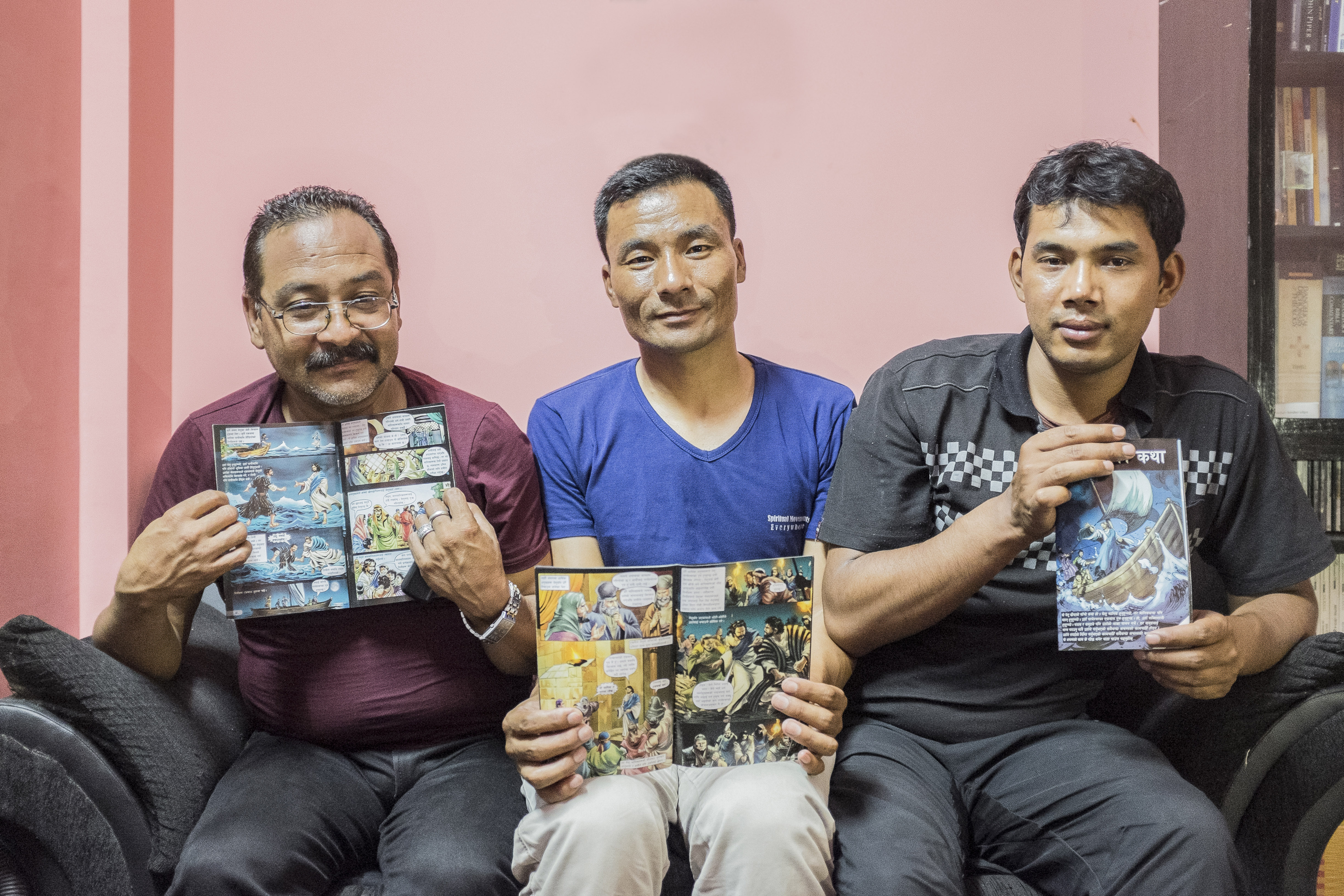
Bimal Shahi, Prakash Pradhan and Shakti Pakhrin of the Charikot group spent together 9 days in jail accused of illegal conversation because of the distribution of a small pamphlet "The Great story" with the story of Jesus explained for children
Bimal Shahi, Prakash Pradhan and Shakti Pakhrin from Charikot holding copies of “The Great Story”comic book. Photo Credit: Giulio Paletta/CSW 2016, Nepal

The arrests took place in June 2016, following two trauma counselling sessions organised by Teach Nepal, a Kathmandu-based non-governmental organisation (NGO). The sessions sought to address the psychological needs of children affected by the earthquakes that hit Nepal in April 2015 and were held on 8 and 9 June in two schools in Charikot: Modern Nepal School and Mount Valley Academy. When they finished, the organisers distributed a small gift pack to the children, which included a handkerchief and a 23-page comic book entitled The Great Story.

Continue reading “Uncertainty for Religious Minorities as Nepal Celebrates First Anniversary of its Constitution.”

In the Lead up to the G20 Summit, Questions Must be Asked About the Direction China is Taking.

When leaders of the G20 nations arrive in Zhejiang Province, China, next week for the G20 summit, they will be greeted by a different skyline than they might have seen five years ago.

The sky scrapers and shopping malls that have become the hallmark of China’s phenomenal economic growth will still be there, but the bright red Christian crosses which were once just as much a feature of Zhejiang have been taken down.

Removal of crosses in Zhejiang Province

Hundreds of crosses have been removed by the authorities since early 2014, as part of a campaign allegedly introduced to rid the province of structures which violate building regulations. Under draft regulations, crosses now have to be flat against outer walls, and their size and colour are restricted. The authorities have sometimes employed violent tactics in the face of protests by church members. Christian leaders who have opposed the cross removals through letters or peaceful gatherings have been arrested and accused of economic crimes.

It may be no coincidence that the site of the cross removal campaign is the same province selected to host the G20.

Continue reading “In the Lead up to the G20 Summit, Questions Must be Asked About the Direction China is Taking.”